There is some interesting information within the video of President Trump aboard AF-1 as he returns from Florida. However, one of the more interesting aspects comes around 05:39 when asked if he was thinking about extending the tariff pause beyond July 8, 2025.
As noted by President Trump, very firmly, no. There is no reason to extend the deadline for reciprocal tariffs beyond July 8th for any country not in direct negotiations as of that date. Trump intends to just send them a letter outlining the applied tariff rate and that’s it. Done is done. WATCH:
This firm date is why India has extended their negotiation team in Washington DC, and is also the reason why Europe is coming Thursday. The baseline tariffs are done, everyone pays 10% regardless of a FTA or not. The reciprocal tariff rate will be applied to those without an FTA effective July 9th.
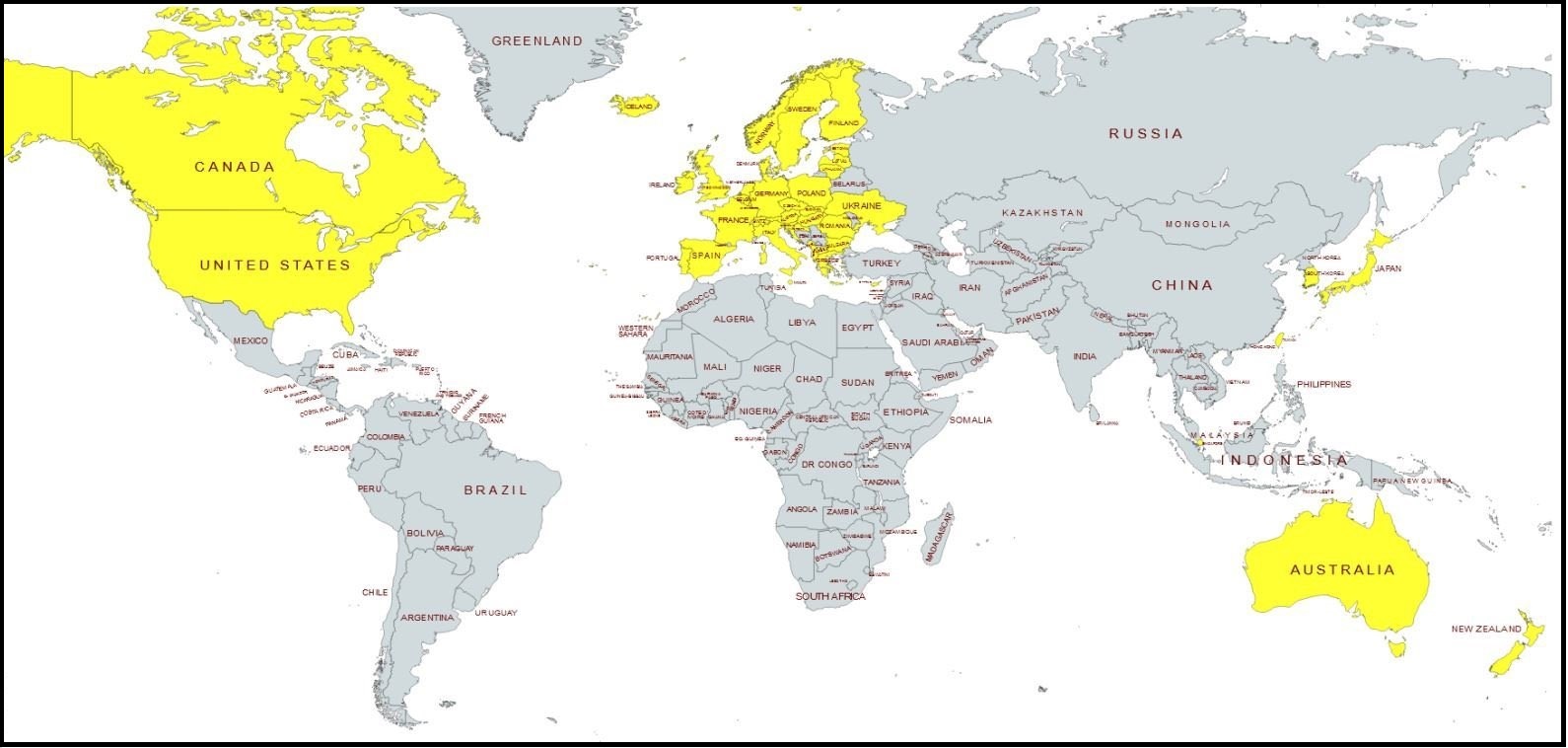
[The EU (who wants a trade deal now) is eventually going to align with Canada (who will need a trade deal later). This factors into the current trade dynamic and looms over the decision making.]
Post July 9th, President Trump moves on to other important geopolitical matters with the tariffs as an ancillary weapon for adherence to the new international trade alignment. Those who want to benefit commit to the U.S. dollar as the trade currency (that’s the reason for India’s announcement today), and trade preferences are then used to shake up the geopolitical alignments. Watch for how this plays out with Trump’s planned UK visit.
From there, and after the gnashing of teeth settles down, later in the summer President Trump then triggers the USMCA renegotiation phase with Mexico and Canada. President Trump is essentially ambivalent to the pleas from nations who want to continue their trade imbalance. This sequencing and outline appears clear; but let’s watch and see what happens.