Before getting to the headline, I want to remind you what CTH outlined two years ago about these massive food price increases.
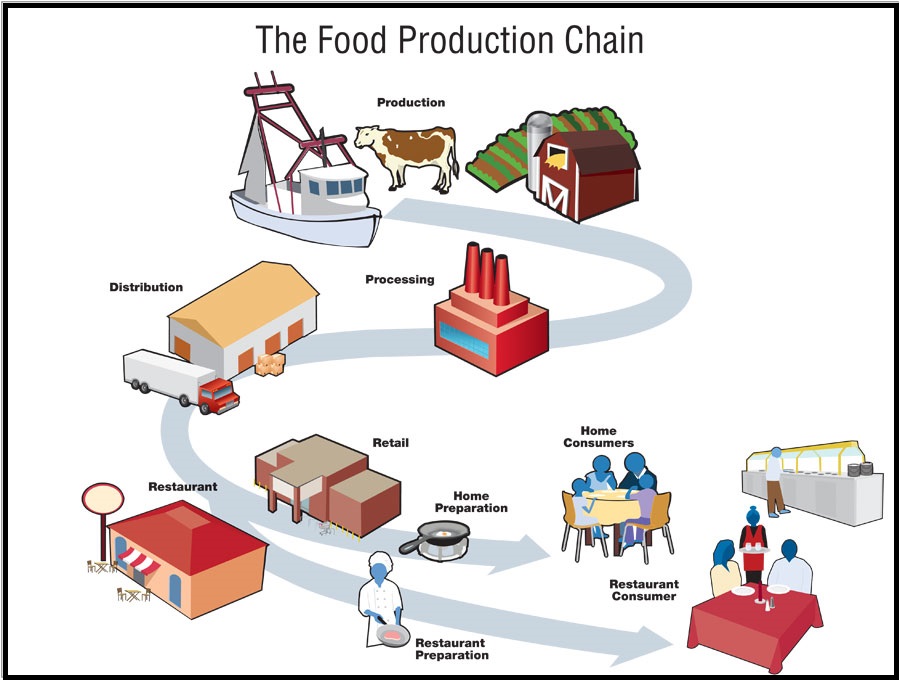 You might remember me saying that processed food prices will increase at a much greater rate than fresh or lesser processed foods. Factually, even organic products (ie. produce) could/would end up less expensive (in relative terms) to the increase in price at your supermarket, as compared to the price increases for the more processed foods.
The reason is simple, processed food use more energy; energy prices are skyrocketing; the processing costs (packaging, transportation, freezing, sanitizing, storage, warehousing and distribution etc.), at each step of the processing cycle, in addition to higher labor costs, drive up the end result of the price.
In this energy driven inflationary environment, less processing and handling equals lower overall cost increases from field to fork. More processing, handling, distribution equals higher overall costs. This is simply a supply chain, truism.
Into this issue comes McDonald’s Corp. Last I heard, approximately 85% of McDonald’s business was franchise. The franchise has to purchase the product (food) from the main company. Supply side cost increases in the food are transferred from the company to the franchisee via higher product costs. The restaurant is then forced to raise prices to accommodate their increased costs. A portion of the revenue from sales then flows back to the main company.
It is important to note here, there is a natural disconnect in supply side price increases within the franchise model. The parent company must, must, negotiate the best possible contract terms with the suppliers because the increases in costs are passed directly to the franchise. The parent company doesn’t immediately feel any problem until the revenue from the franchise drops due to the forced raising of retail prices and diminished sales. There is a lag.
(more…)
Posted in Big Stupid Government,
Climate Change,
Dem Hypocrisy,
Economy,
energy,
Joe Biden,
media bias,
Professional Idiots,
propaganda,
Transportation,
Uncategorized