Tomorrow, September 29th, the U.S. ban on most Canadian alcohol imports begins. [XO Link]
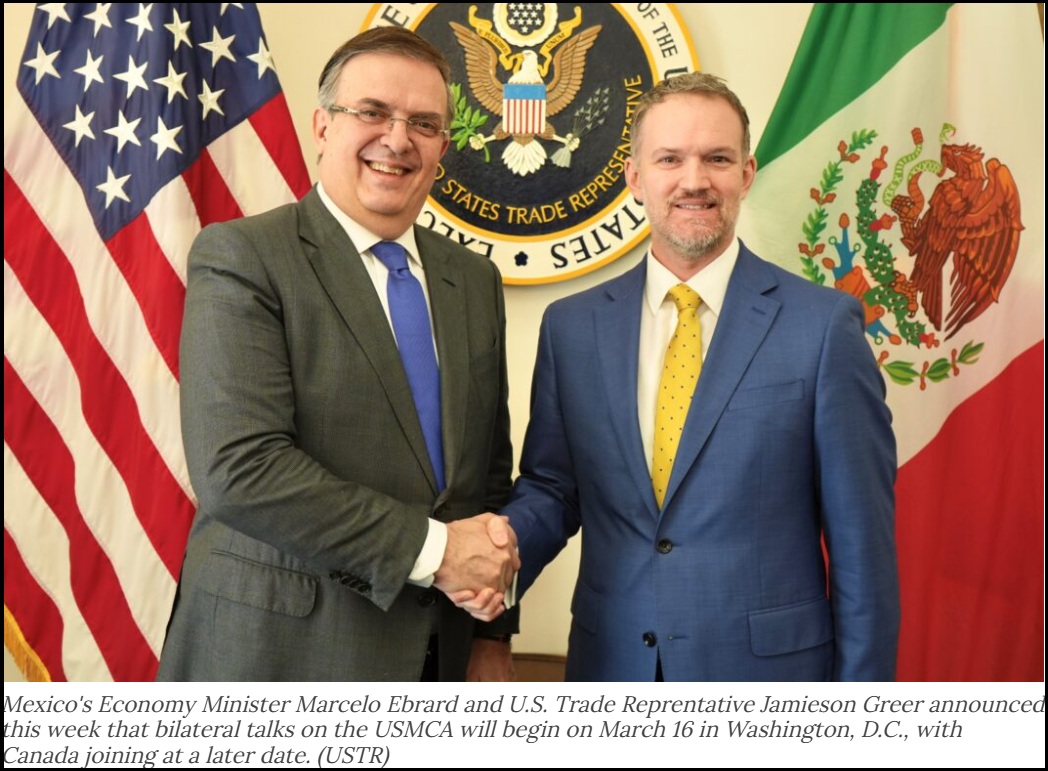
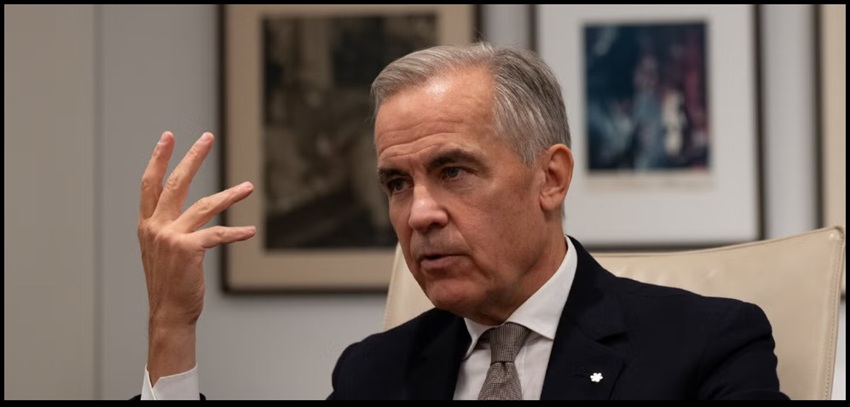
 Last year most Canadian provinces banned U.S. alcohol imports as part of the “Elbow-up” program triggered by Prime Minister Mark Carney in response to U.S. baseline tariffs on steel, aluminum and autos. In early September of this year, the White House and U.S. Trade Representative Jamieson Greer responded with an import ban on Canadian alcohol that begins tomorrow.
The Crown Royal brand of Canadian Whiskey will not be impacted as it is shipped in bulk raw liquid to the U.S. where it is bottled, packaged and distributed. Diageo Inc proactively saw something coming in 2025 and shifted its supply chain to avoid the conflict. However, most Canadian brands of alcohol are not as fortunate. [SEE BAN SECTOR LIST]
The Supreme Court ruled last year that while tariffs against products can -under certain conditions- be subjected to congressional approval, but when it comes to trade friction – bans of products outright are legally within the power of the President. This ban on Canadian alcohol will impact approximately $854 million (usd) in imports. (SEE STORY).
It will be interesting to see if any last-minute intervention takes place.