The Bureau of Labor Statistics (BLS) has released the June jobs report [Data Here] showing 372,000 job gains on the establishment survey of businesses. However, the April and May reports were revised downward by 74,000 jobs, and there is an odd disconnect between the survey of businesses and the survey of households.
 The survey of businesses (BLS establishment report) shows job gains of 372k for the month of June, but the survey of households (BLS household report) shows that fewer people are working. The labor-force participation rate slipped to 62.2% from a previous high of 62.4%, fewer people are working.
This odd disconnect has many people wondering what is going on?
Wage growth comes in at 5.1% on an annual basis, which is far below the current BLS calculated rate of inflation at 8.6%. Meaning wage growth is not keeping up with inflation despite workers entering the labor force at a higher entry level wage.
Economists overall are flummoxed as job gains would indicate a strong economy. However, the actual economic activity, the creation of goods and services, is not growing. Quite the opposite appears. Orders for factory goods have dropped, inventories of currently available goods are climbing, and sales figures across a broad spectrum of companies are negative. The economy as measured by the creation of goods and services is stalled, but the economy as a measure of employment is firm.
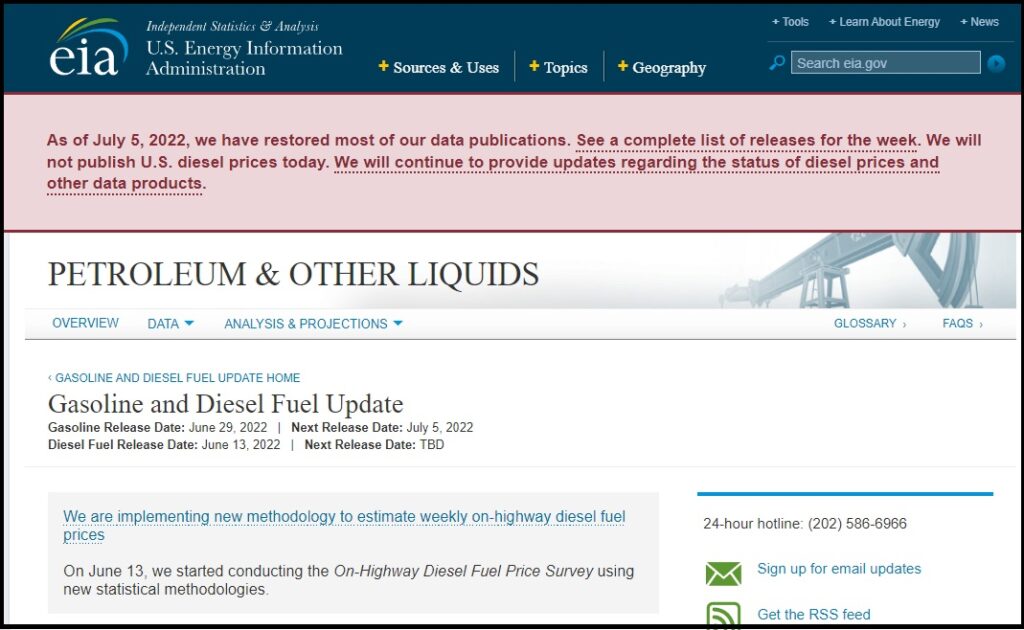
 We have been closely monitoring the signs of a global cleaving around the energy sector taking place. Essentially, western governments’ following the “Build Back Better” climate change agenda which stops using coal, oil and gas to power their economic engine, while the rest of the growing economic world continues using the more efficient and traditional forms of energy to power their economies.
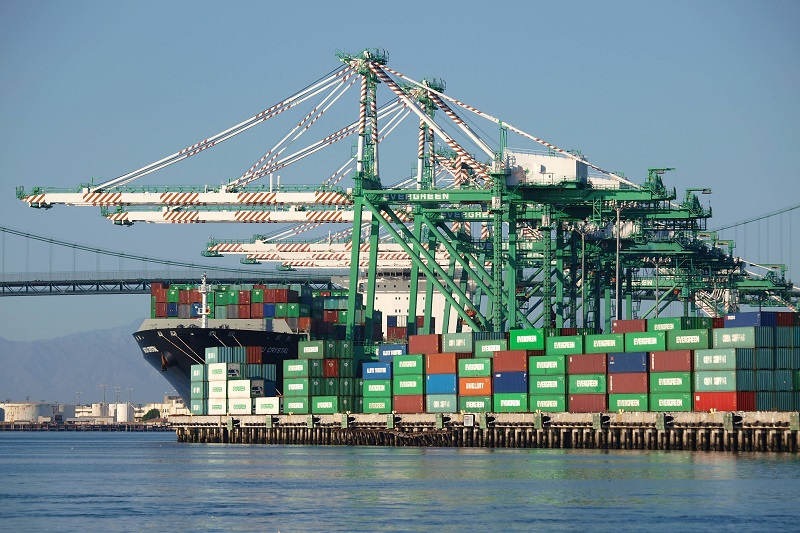 In a very weird economic scenario, the Biden administration actually benefits from a port stoppage as imports are a deduction to GDP and the U.S. economy is presumably on the “zero” growth bubble. If the Bureau of Economic Analysis (BEA) calculates a negative GDP in the second quarter (not likely for political reasons), the Biden administration would officially be responsible for a recession. [Any delay in import quantification helps shape the economic statistics; however, Q2 ended yesterday.]
 Essentially, according to Legarde, the EU subsidized businesses to maintain employment; the EU covered payroll expenses during lockdowns, while the U.S. sent direct payments to the American people who were impacted by the lack of work (basically everyone).
 The demand side argument/justification for inflation was always false. However, it was/is still the claim made by members of the Biden administration and almost every board member of the federal reserve.