Behind the headline is a qualifier that most will miss. “We will urge the companies affected not to follow Putin’s demand.” The problem for the G7 political leaders is that most of the transactions are between private companies. The heads of the U.S, France, Germany, Italy, Japan, Canada and the U.K, can stake a position, but the ultimate decision around the transaction in the hands of the private company buyers.
Russia can set the terms. Whether the G7 political leaders shout ‘breach of contract‘ is seemingly a moot point. In the big picture, the politicians have already breached the terms of prior trade agreements with sanctions. Russia can turn off the supply or demand payment in rubles as terms of sale.
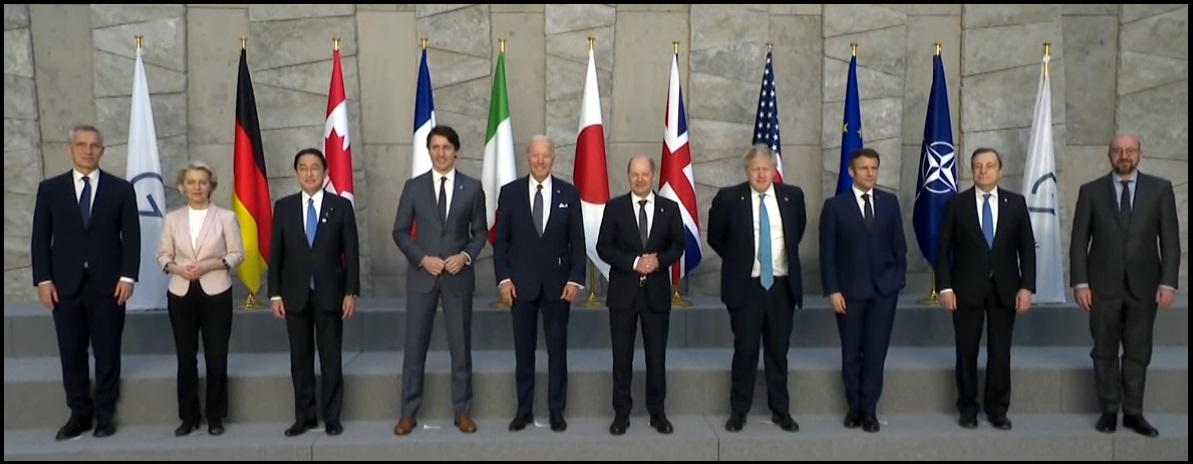
BERLIN (AP) — The Group of Seven major economies agreed Monday to reject Moscow’s demand to pay for Russian natural gas exports in rubles.
German energy minister Robert Habeck told reporters that “all G-7 ministers agreed completely that this (would be) a one-sided and clear breach of the existing contracts” for natural gas, which is used to heat homes, generate electricity and power industry.
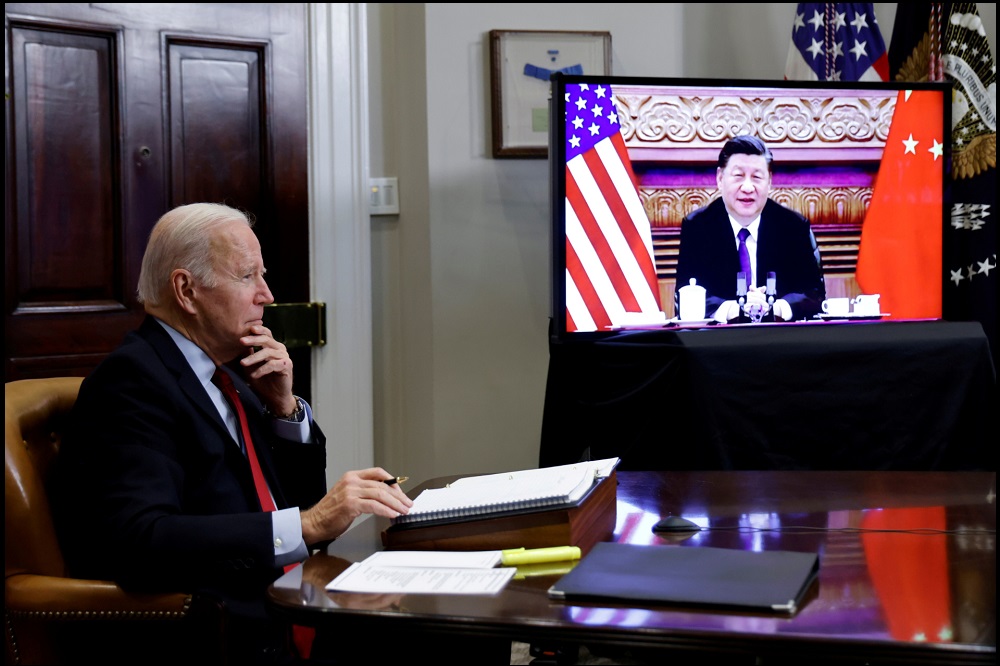 Today, ten days later, China just called Joe Biden’s bluff.
 Once again, Joe Biden, the same authoritarian who mandated that every American worker undergo a medical procedure in order to qualify as a person who might earn a living, sits atop his high-horse and pretends that western government leaders have some inherent claim to the protection of democracy.
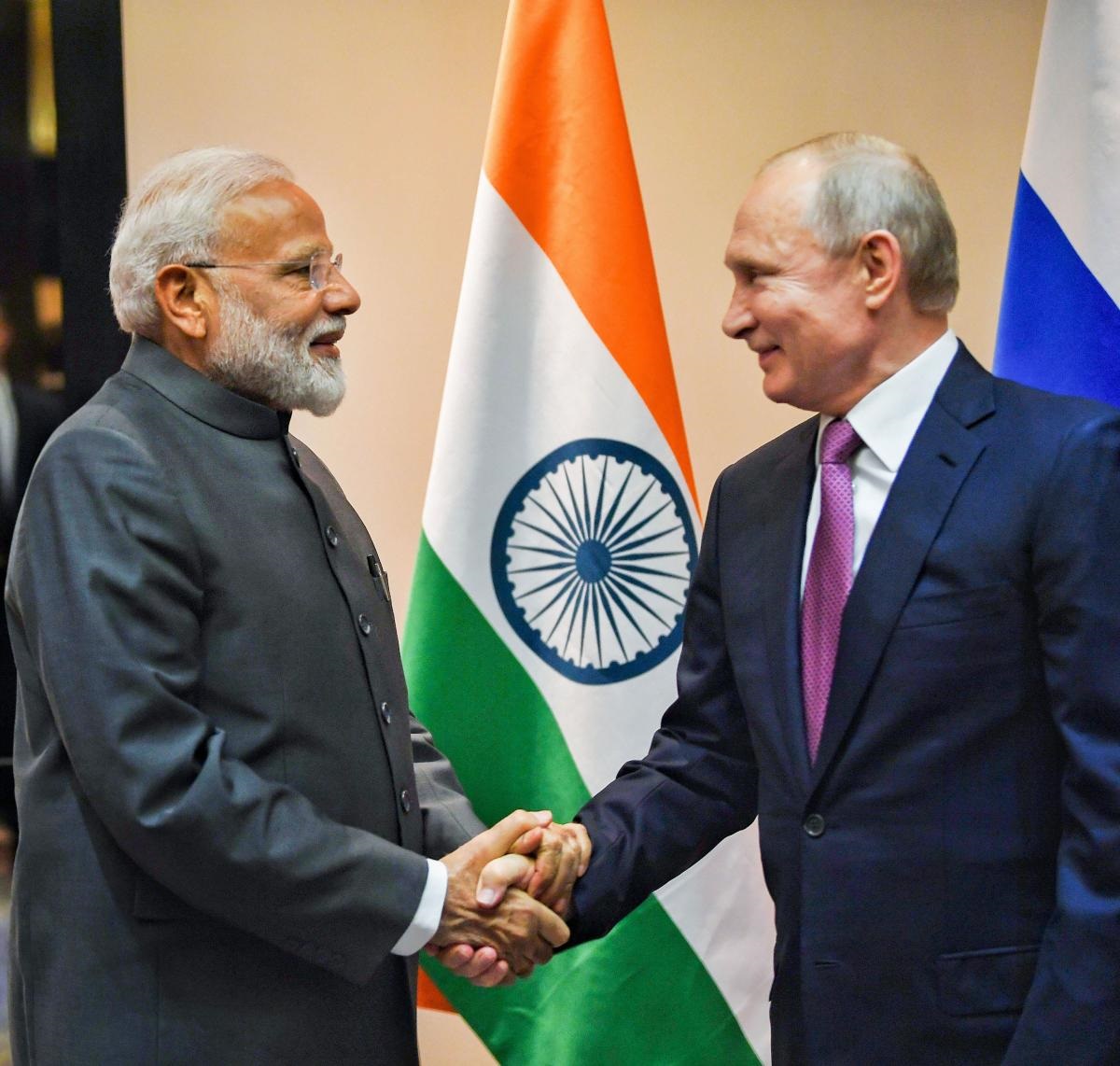 India is becoming a major player in the geopolitical world, as recognized by former President Trump during his Indo-Pacific trade partnership discussions. The population of India is over 1.4 billion people, and they are industrializing as a more democratic counterbalance to China. Prime Minister Modi has been a key political leader in generating economic alliances to the benefit of his nation, while maintaining a prudent stiff-arm toward the influence of major multinational corporations.
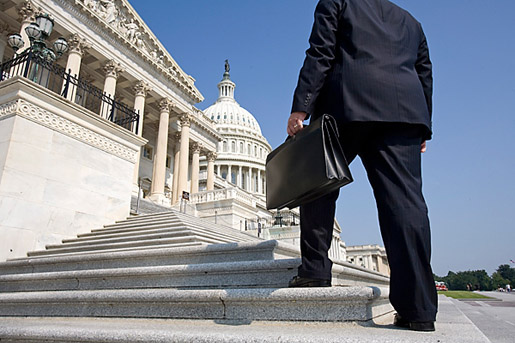 The only disruption in the collective economic manipulation was the forced intermission by the American middle class when Donald J. Trump was elected.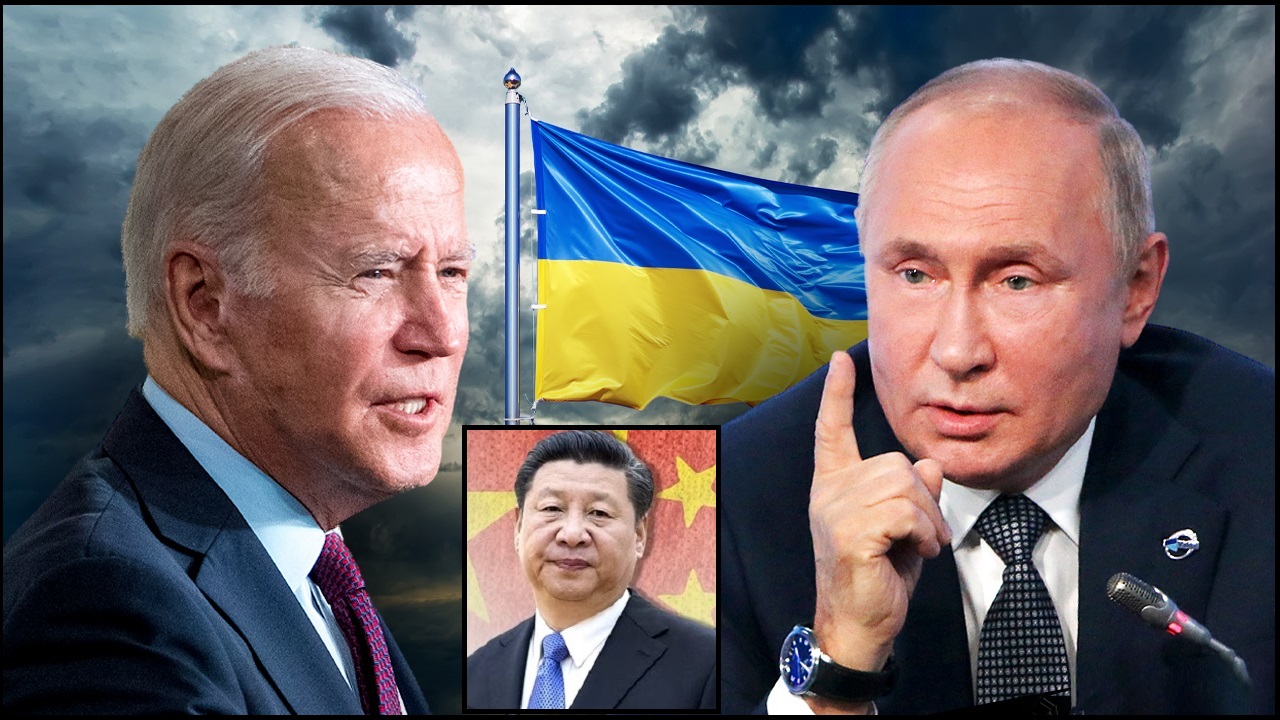
 What we are witnessing now is not as much attached to the Ukraine crisis, as it is the continued ripple effects in that same supply chain.