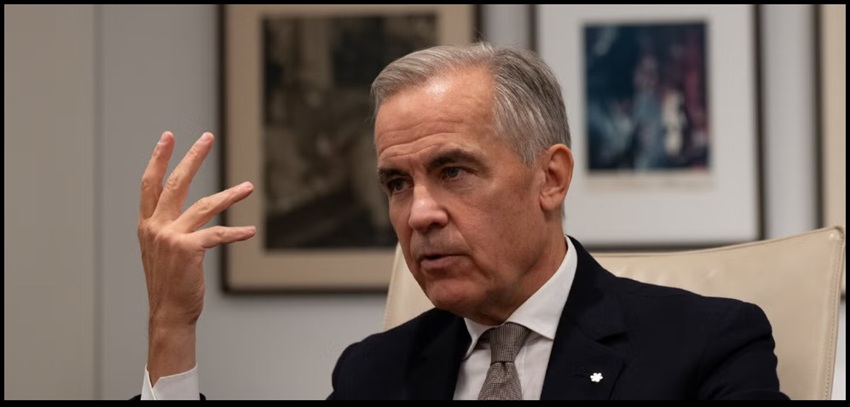
When asked about a statement this week where Stelco Holdings Inc. announced they were laying off 500 workers from their steel plant in Hamilton, Ontario, immediately Canadian Prime Minister Mark Carney blamed the United States.
He’s lying. It’s ridiculous. However, that’s all Carney can do at this point.
In reality it is (1) Canadian energy, climate and manufacturing policy; in combination with (2) the specific decision to allow the import of cheap steel from China; in combination with the decision to (3) rebuke U.S requests to stop purchasing that Chinese steel; that has driven out Canadian steel manufacturing.
(1) Canada carbon emission policy changes steel manufacturing. (2) Canada admits to lying about the import of Chinese Steel. (3) Canadian steel manufacturers warn Canada of pending exit. Mark Carney denied all three points. The receipts are in the links right there.
WATCH Prime Minister Carney blatantly lie on camera:
This announcement by Stelco happened on the exact same day that President Trump announced a new $18billion investment in U.S. steel manufacturing in Iowa. {SOURCE}
In fact, in a world full of irony, during a media segment discussing the closure of the Canadian steel plant, CBC cut away to live feed of President Trump who was making the Iowa steel plant announcement. The timing was rather remarkable.