Germany is the largest economy in the E.U. However, due to a confluence of horrible events, most of them self-created as an outcome of ridiculous energy production decisions, the German industrial economy has been contracting since 2022.
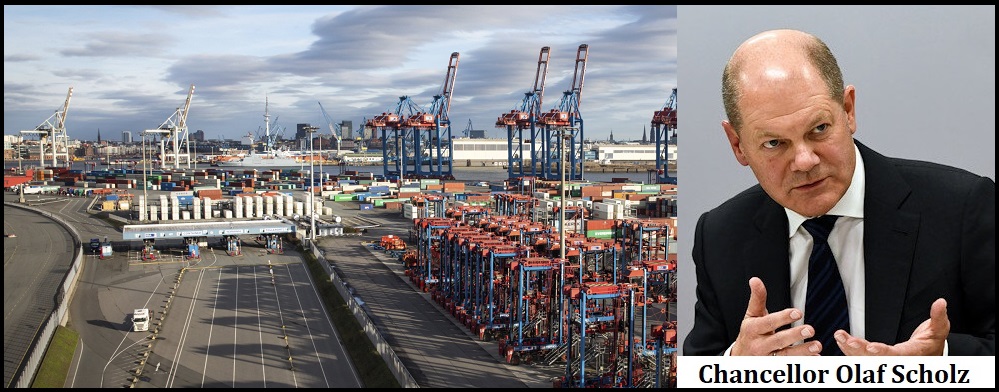
Into this downward spiral of negative economic events within Germany, now comes the problem of President Trump eager to eliminate the Marshal Plan of one-way tariffs and start dealing with the trade inequities. The German industrial manufacturing companies who make up the majority of the economic output are concerned, very concerned.
Within the discussion suddenly something appears that all Western financial pundits have yet to accept. Leo Barincou, a senior economist at Oxford Economics in Paris says:
[…] limited tariffs on selected products, such as cars, chemicals and agricultural products, may not be too much of a problem, Barincou says. A rising dollar, and hence a falling value of the euro, would offset some of the harm caused by the tariffs. “At a macro level, the impact would be limited,” he says. (read more)
Yep, here we go again.