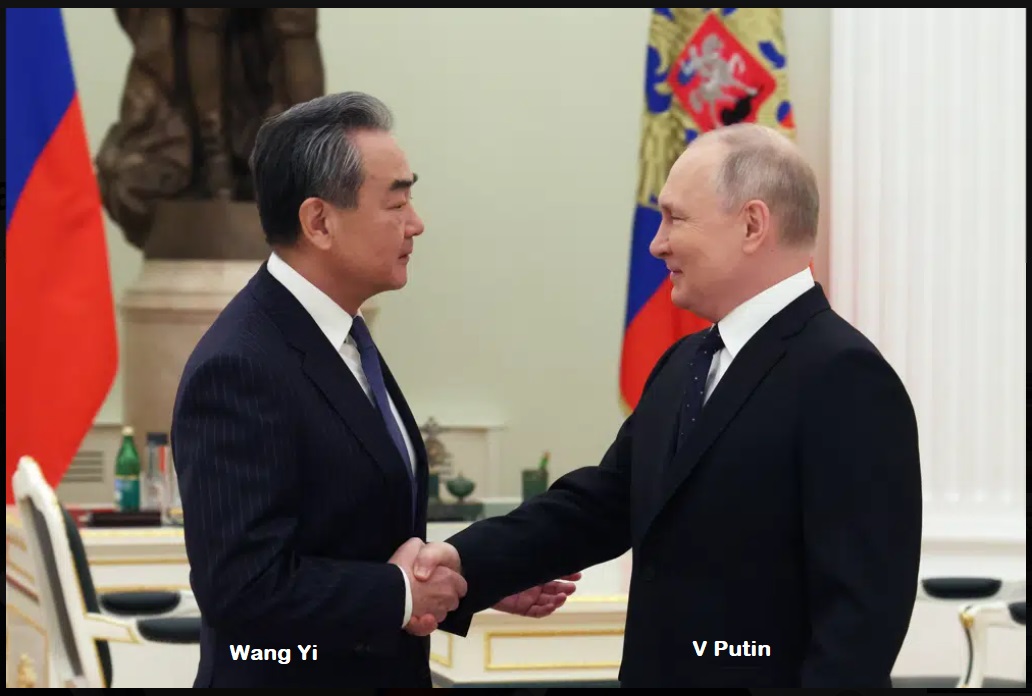
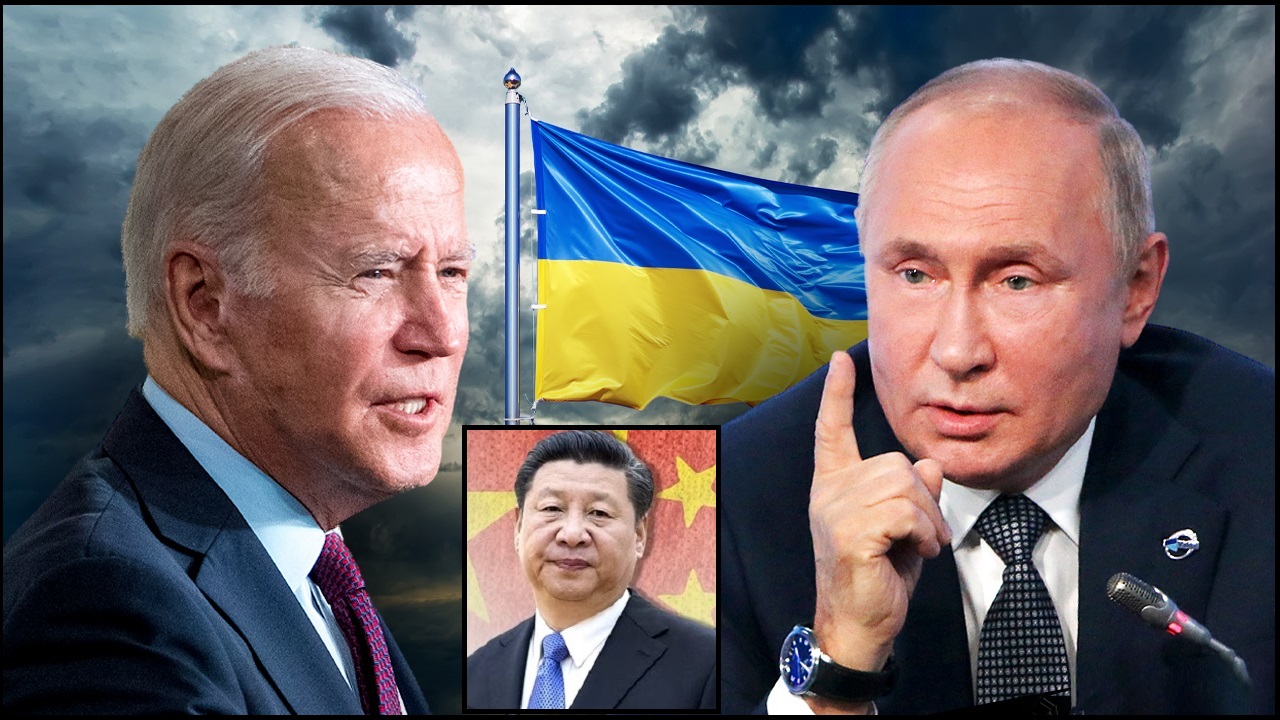
This sounds exactly like something out of the State Dept playbook from an era when the U.S. military had the actual strength to back it up. However, against the current state of affairs, specifically the U.S. control over the western NATO alliance, sending additional troops to Taiwan just because the U.S. is upset about China and Russia’s relationship, is simply poking the Beijing dragon.
 There are approximately 30 U.S. troops in Taiwan on a regular rotating basis. Nothing large or significant. However, immediately after China and Russia announce there is no distance or limit in their relationship, according to the Wall Street Journal, the Biden administration is sending an additional 200 U.S. military troops into Taiwan.
(Via Wall Street Journal) – […] The number of American troops, which has included special-operations forces and U.S. Marines, has fluctuated by a handful during the past few years, according to Defense Department data. The planned increase would be the largest deployment of forces in decades by the U.S. on Taiwan, as the two draw closer to counter China’s growing military power.
[…] The expanded training, both in the U.S. and in Taiwan, is part of a gathering U.S. push to help a close partner prepare to thwart a possible invasion by China. The U.S. officials said the expansion was planned for months, well before U.S.-China relations plummeted anew this month after a suspected Chinese spy balloon traversed North America for more than a week before being shot down by the Air Force.