The BRICS alliance is a strategic geopolitical partnership between Brazil, Russia, India, China and South Africa. The nature of the alliance is based on trade and big picture economics.
Readers familiar with our discussions of trade and international finance, will remember the importance we previously discussed with BRICS after the 2016 election and President Trump representing economic nationalism for the first time in several generations. In this outline, we are going to share the bigger picture of why BRICS should now be back on the center stage of American focus.
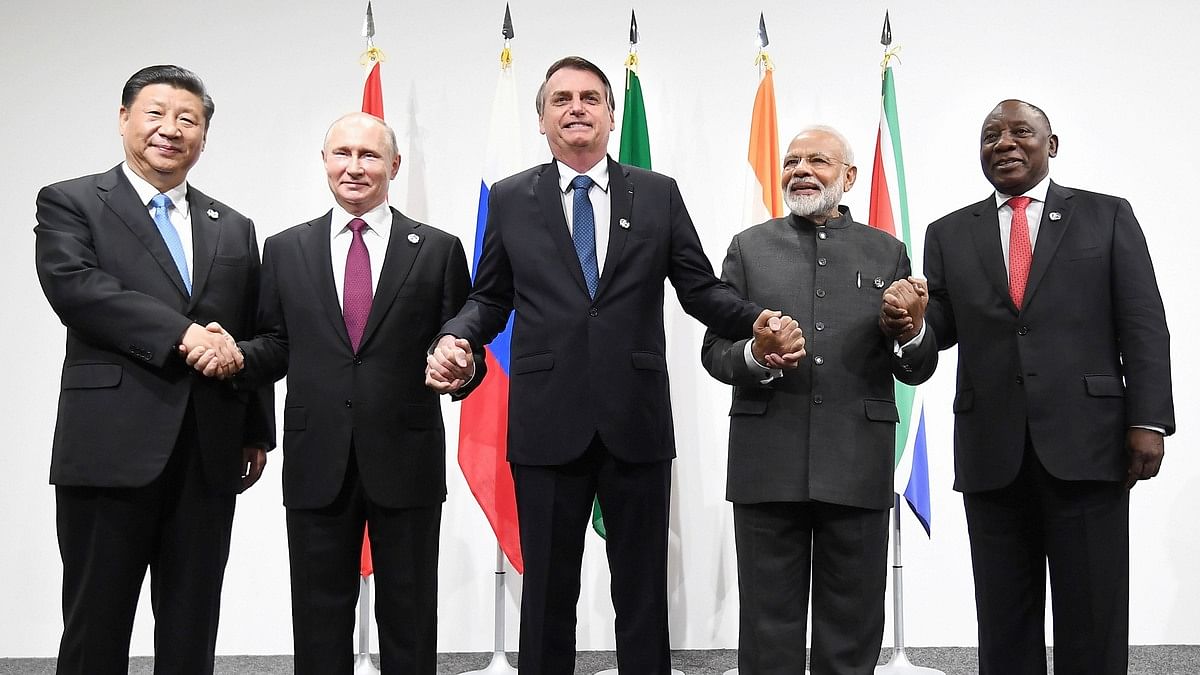
Xi Jinping (China), Vladimir Putin (Russia), Jair Bolsonaro (Brazil), Narendra Modi (India) and Cyril Ramaphosa (South Africa), the BRICS group.
The BRICS economic partnership was formed during the Obama administration. Brazil, Russia, India, China and South Africa (BRICS) saw President Obama sub-contracting, actually giving away, U.S. trade policy to the U.S. Chamber of Commerce. In the aftermath of the 2007 economic crisis created by the financial system, the BRICS group connected two central points that concerned them.
In the aftermath of the great housing/financial crisis, the relationships around the World Bank (WB), International Monetary Fund (IMF), EU central banking system and various multinational institutions and, more importantly, multinational corporations, merged even closer with the government. The priorities of the Davos and World Economic Forum (WEF) crowd were now virtually indistinguishable from many national governments.
We are fifteen years downstream from that inflection point, and we are now seeing the outcomes. The WEF is now giving direct instructions to installed politicians for government policy. Put another way, multinational corporations are now telling government officials what to do.
Think of “The Great Reset” or “Build Back Better” or climate change, as examples. Worse yet, those governments are doing exactly what the WEF has told them to do.
This corporate control of government is exactly what the BRICS assembly foresaw when they first assembled. When multinational corporations run the policy of western government, there is going to be a problem. In the bigger picture, the BRICS assembly are essentially leaders who do not want corporations and multinational banks running their government.
As a result, if you really boil it down to the common denominator what you find is the BRICS group are the opposing element to the WEF assembly.
(more…)
Posted in Big Government,
Big Stupid Government,
China,
Cold Anger,
Conspiracy ?,
Decepticons,
Deep State,
Donald Trump,
Economy,
Election 2022,
Environmentalism,
European Union,
Fabian Socialists - Modern Progressives,
Joe Biden,
JoeBama,
media bias,
Military,
NATO,
Notorious Liars,
President Trump,
Professional Idiots,
propaganda,
Russia,
South Africa,
Trade Deal,
Ukraine,
Uncategorized,
US Treasury,
USA
 …”Strategic success in the 21st century is not about a physical land grab of territory; that’s what Putin has done. In this century, strategic power is increasingly measured and exercised by economic strength, by technological sophistication and your story – who you are, what your values are; can you attract ideas and talent and goodwill? And on each of those measures, this will be a failure for Russia.”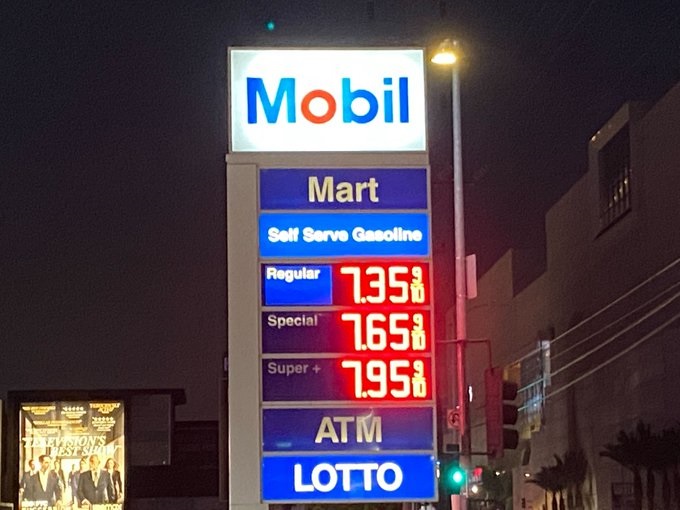
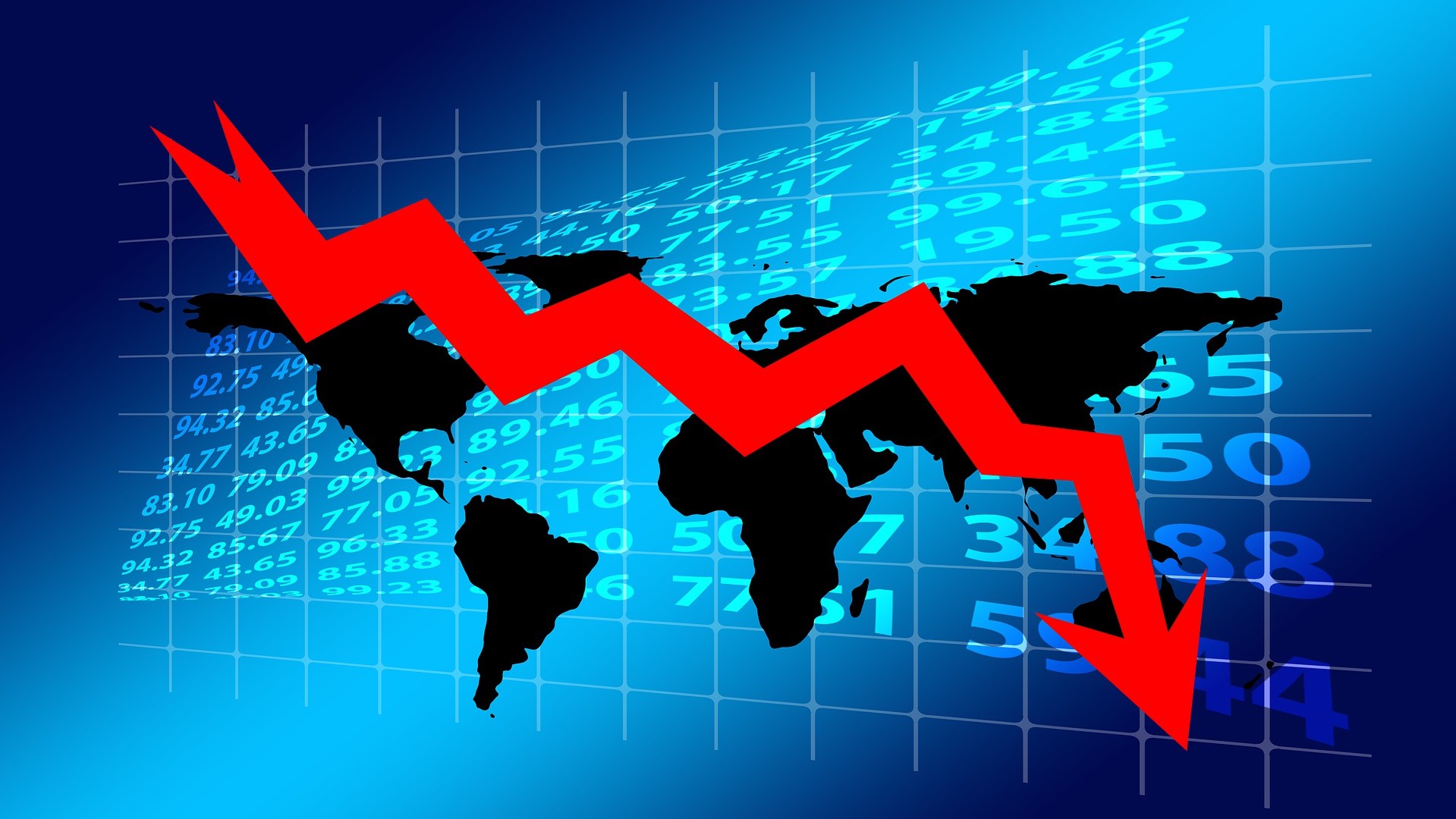
 It was only a matter of time before someone had to admit what the instructions were within the Biden administration. Today, the video surfaces showcasing Energy Secretary Jennifer Granholm making the admission.
 Toward the end of last year, we warned that fertilizer costs were going to harvest costs in 2022 (
 Within the book of instructions for the ideological Chicago crew (Alinsky peeps), there are chapters on how to create off-ramps to cloud their agenda. If they need a bigger cloud, they create a bigger crisis. The crisis then becomes the cover, the justification to explain the outcomes of their agenda.