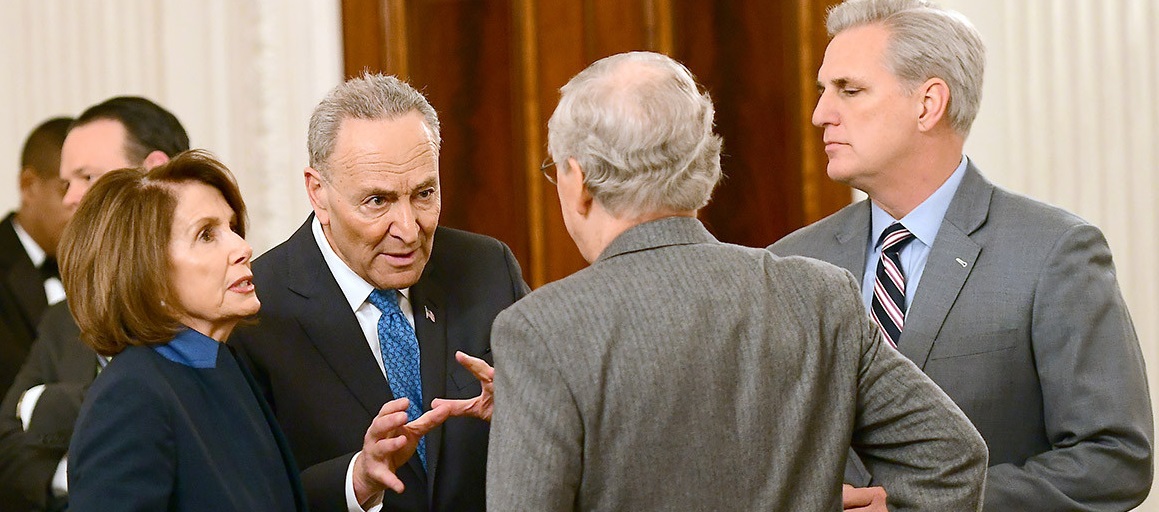
According to recent media reports the $1.7 trillion omnibus budget and legislative bill was sent to the White House late Wednesday night. However, Joe Biden and his familial entourage had already departed DC for their holiday vacation in the U.S. Virgin Islands.
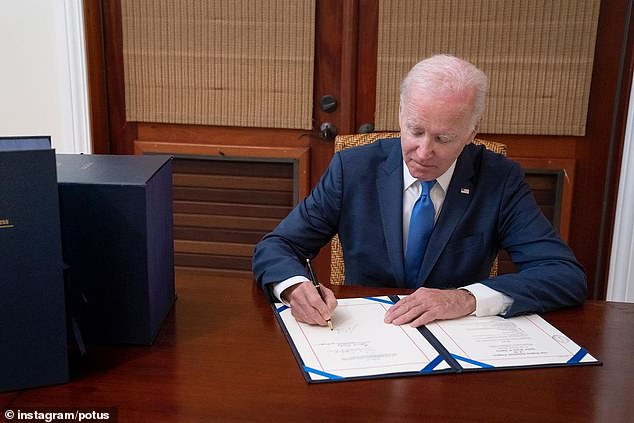 However, the continuing resolution/omnibus spending bill needed to be signed by December 30th in order to fund government without technical interruption, so the White House sent the bill all the way to St. Croix for signature via Spirit Airlines.
(Via Daily Mail) – The White House flew the federal budget to St Croix for President Joe Biden to sign into law ahead of the December 30 deadline, so the government didn’t shut down over New Year’s Eve.
The 4,000-page, $1.7 trillion omnibus package to fund the government through September 2023 arrived at the White House on Wednesday evening, after it completed the legislative enrollment process. On Thursday, it was flown to St Croix, where Biden is spending the holiday week in a luxury villa owned by a billionaire Democratic donor.
The bill arrived in the US Virgin Islands via Spirit Airlines on Thursday evening around 5:30 pm Eastern time. A little over an hour later, Biden’s POTUS Instagram account posted a picture of the president signing the bill.
The caption of the Instagram post read: ‘Today, I signed the bipartisan omnibus bill, ending a year of historic progress. It’ll invest in medical research, safety, veteran health care, disaster recovery, VAWA funding – and gets crucial assistance to Ukraine. Looking forward to more in 2023.’
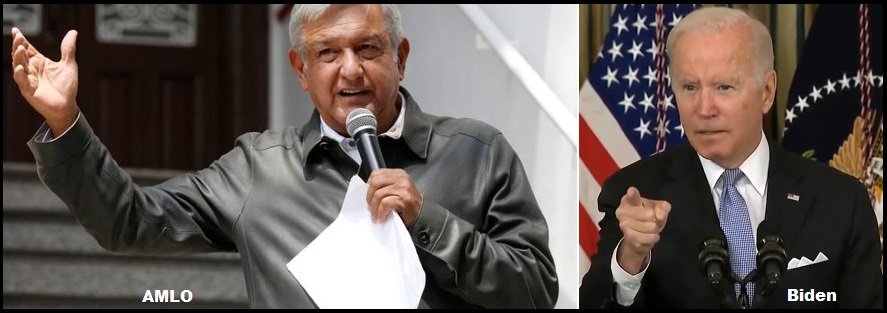
 Within the IRA there was a $7,500 tax credit for American made Electric Vehicles. The intent of the legislation was to provide incentives for U.S. consumers to purchase ‘sustainable’ and environmentally friendly electric cars, trucks, SUV’s etc made in America.