One might think the U.S. Inflation Reduction Act would be constructed in such a manner as to help Americans by reducing inflation. However, not only does the Inflation Reduction Act not help reduce inflation, but the climate change bill carrying the name The Inflation Reduction Act is now the cause for complaints by Europe and Asia because the falsely named spending bill doesn’t help their economy.
 The issue stems from the part of the climate change bill that provides a $7,5000 federal tax credit for electric vehicles. As the bill was written the vehicles needed to be assembled in the USA with battery components mostly sourced from the U.S.A. Europe and Asian automakers are not happy because they want their vehicles, made in Europe and Asia to benefit from the tax credit.
Of course, the first thing Joe Biden does is tell Europe and Asia he will modify the rules to permit vehicles made outside the USA to benefit. The exact opposite of the intended construct of the bill in the first place.
But,… that’s multinational corporate globalism in action.
WASHINGTON—The Biden administration on Monday delayed proposing detailed rules for new tax incentives for electric vehicles, following strong pushback from European and Asian allies that the subsidy program discriminated against their companies.
The Treasury Department said details on the battery-sourcing requirements that electric vehicles must meet to qualify for up to $7,500 in tax credit will be released in March, instead of by the end of this year as earlier planned.

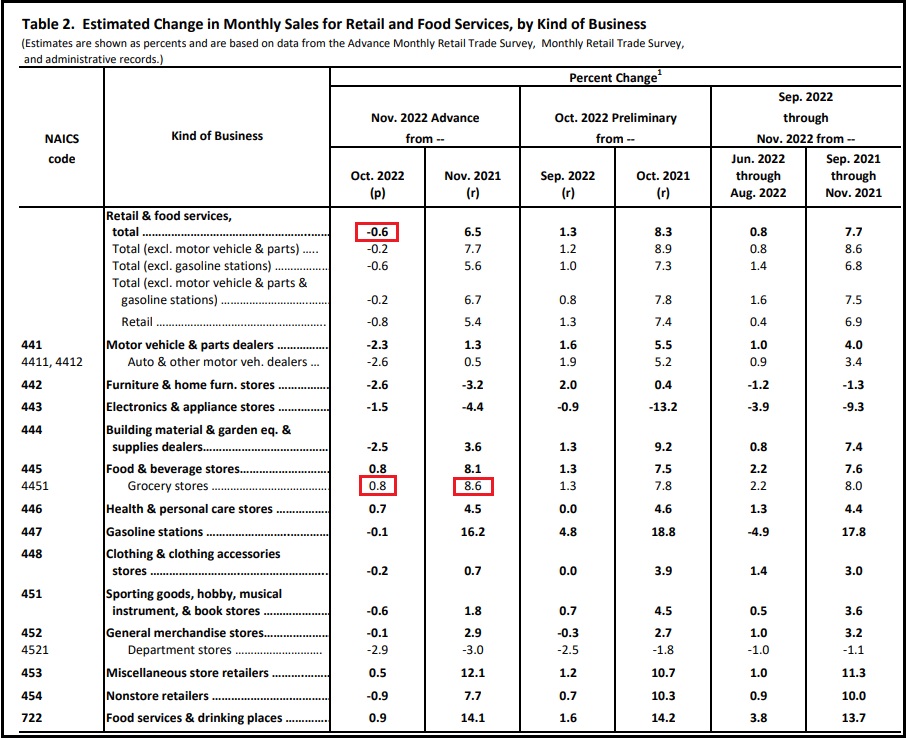
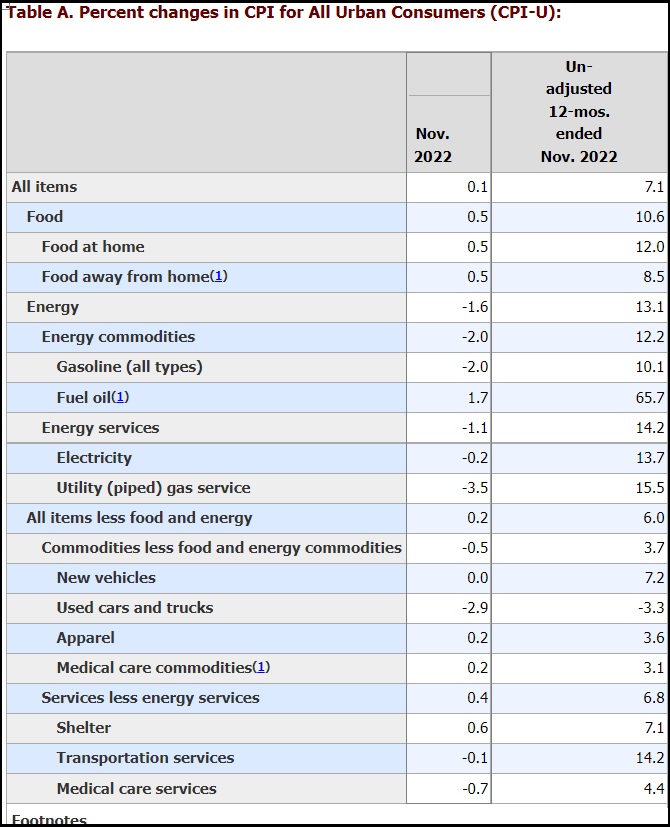 As the economy cycles through a year of large price increases, the current inflation rate cycles through to the period when prices first increased. This calendar cycle means continued price increases are lower as a percentage and thus the inflation rate appears to modify despite prices continuing to rise. [

 There were declines in jobs within the retail sector [-30,000 in Nov, -62,000 since August] and declines in warehousing and transportation [-15, 000 in November, -30,000 since July], which would indicate the outcome of lowered consumer spending on goods, or at least a change in consumer spending priorities.