Yesterday White House Spokesman for Strategic Communications, John Kirby, asked media not to report on the leaked classified intelligence that has been showing up on various social media platforms. The classified intel was designated NOFORN, meaning the containment silo forbids sharing with any non-U.S. citizen; ergo the leaks came from inside our own Intelligence Community silos.
BBC is now reporting on part of the NOFORN leak as it pertains to Ukraine. According to the classified intelligence, active U.K and U.S. military personnel are conducting the war effort inside Ukraine. Congress has not authorized any active U.S. military involvement. The White House has previously denied any active U.S. military involvement.

That said, we always suspected the U.S. military was operating inside Ukraine and the Pentagon and White House were just lying about it. BBC is confirming that exact scenario with U.S. Special Forces operators inside Ukraine.
(VIA BBC) – The UK is among a number of countries with military special forces operating inside Ukraine, according to one of dozens of documents leaked online.
It confirms what has been the subject of quiet speculation for over a year.
The leaked files, some marked “top secret”, paint a detailed picture of the war in Ukraine, including sensitive details of Ukraine’s preparations for a spring counter-offensive. The US government says it is investigating the source of the leak.
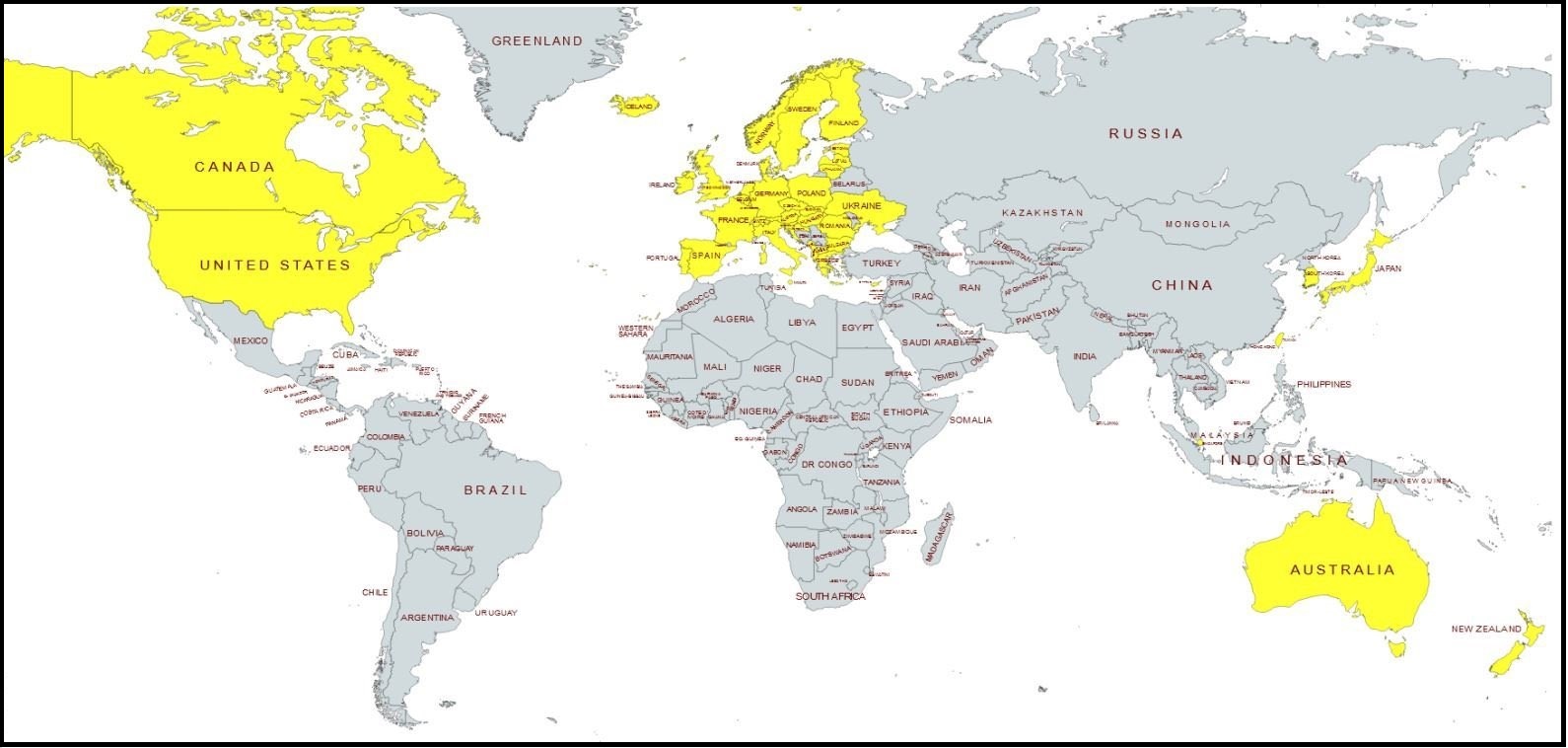
According to the document, dated 23 March, the UK has the largest contingent of special forces in Ukraine (50), followed by fellow Nato states Latvia (17), France (15), the US (14) and the Netherlands (1).
(more…)
Posted in Big Government,
Conspiracy ?,
Decepticons,
Deep State,
European Union,
Joe Biden,
media bias,
Military,
NATO,
Notorious Liars,
Professional Idiots,
propaganda,
Russia,
Ukraine,
Uncategorized,
USA,
White House Coverup