Things that seem disconnected but aren’t. The thirteen bullet points below are the issues we will first notice as the general food supply chain begins show signs of vulnerability. This outline explains why it is happening and how long it can be expected.
In the previous October, November and December warnings we emphasized preparation and counted down the 90-day window. Now, as we enter the final two weeks before mid/late January, the date of our original prediction, it appears that some media are starting to catch up and the larger public is starting to notice. [NOTE: We nailed the timeline almost to the week]
Feel free to note in the comments section what is happening in your area. Hopefully, most of us are much better positioned than the average person who has not been following this as closely over the past several months.
Initial food instability signs in the supply chain. Things to look for:
(1) A shortage of processed potatoes (frozen specifically).
And/Or a shortage of the ancillary products that are derivates of, or normally include, potatoes.
(2) A larger than usual footprint of turkey in the supermarket (last line of protein).
(3) A noticeable increase in the price of citrus products.
(4) A sparse distribution of foodstuffs that rely on flavorings.
(5) The absence of non-seasonal products.
(6) Little to no price difference on the organic comparable (diff supply chain)
(7) Unusual country of origin for fresh product type.
 As we have discussed on these pages, the interventionist policies and regulations from the people creating the COVID response (writ large) have been fubar from the beginning. {
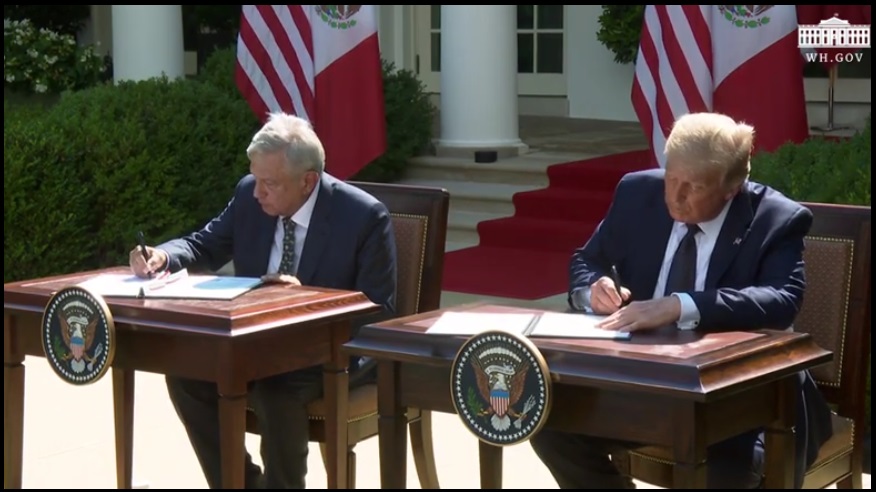 President Lopez-Obrador and President Trump found their common partnership easy, because the Trump doctrine was essentially supporting the authentic voice of the Mexican people; while asking for help on specific issues (border security).
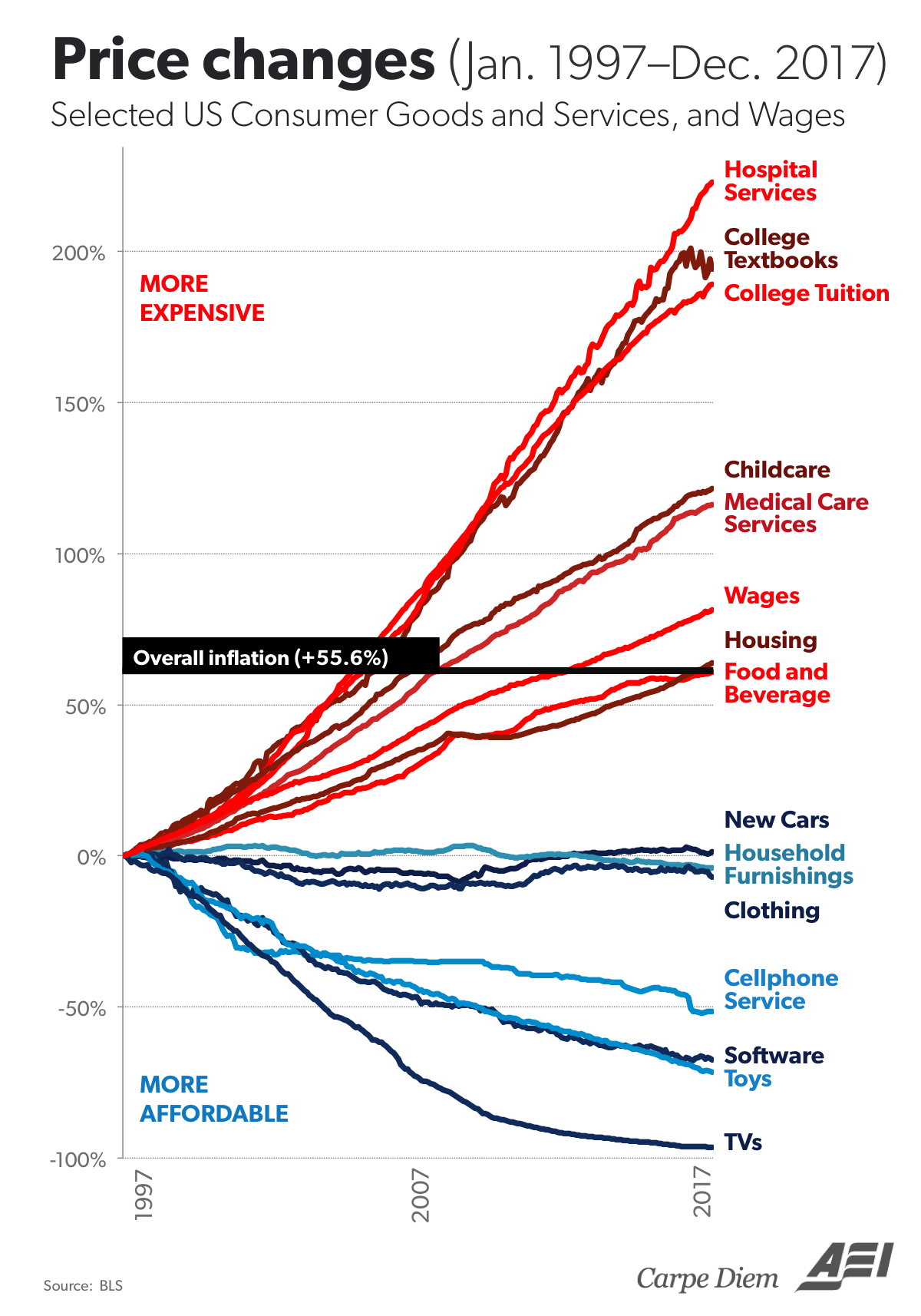 Increases in inflation hit the working class (Main St) much harder than the investment class (Wall St) and financial elites. Factually the multinationals benefit from U.S. inflation as it puts pressure on domestic companies to ship their manufacturing overseas. Wall Street likes that. This dynamic has been an issue not-discussed by the financial media for decades. First, the Reuters article (when you see “commodity prices” think about the term “consumables”):
 One way of looking at this change in direction from Ford relates to the cost of producing electric vehicles. First, it is far less expensive in Mexico (labor, environmental regulation, energy costs, etc); secondly, an outlook the new Biden administration will not strongly enforce USMCA compliance measures against U.S. multinational firms.