As the global cleaving begins taking shape based on the new western energy system, the Build Back Better agenda, Russian energy exports are worth a lot more money. As a result, the Russian economy has gained more wealth than before the western sanctions regime was triggered. As noted by the Wall Street Journal:
(Via WSJ) – […] Demand from some of the world’s largest economies has given Russian President Vladimir Putin the upper hand in the energy battle that shadows the war in Ukraine, and has confounded the West’s bid to cripple Russia’s economy with sanctions.
Sales are booming in Russia’s export market, the world’s largest in crude and refined fuels. And new trade arrangements have given Mr. Putin cover to use natural gas exports as an economic weapon against Ukraine’s European allies. Before the war, Russia supplied Europe with 40% of its gas. It has since throttled flows through the Nord Stream pipeline to Germany and other conduits, driving prices higher and putting pressure on European households and businesses.
Oil revenue more than makes up the difference. “Russia is swimming in cash,” said Elina Ribakova, deputy chief economist at the Institute of International Finance. Moscow earned $97 billion from oil and gas sales through July this year, about $74 billion of that from oil, she said.
 In addition to Russia, China, Iran, Brazil, South Africa, Argentina and India vociferously retaining their own economic and monetary independence, Mexican President AMLO literally blasted the program
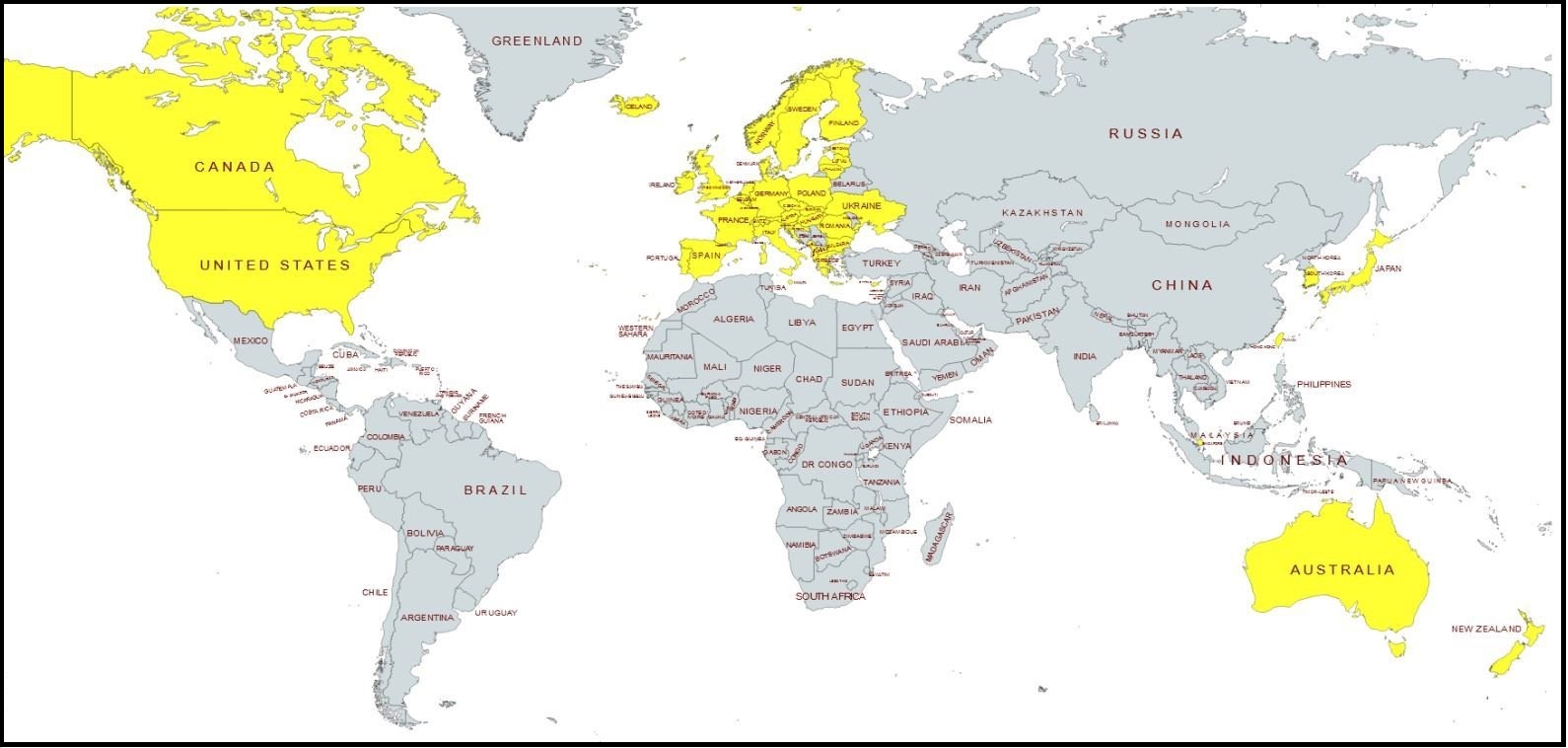
  Western governments’, specifically western Europe, North America (U.S-Canada) and Australia/New Zealand, are intentionally trying to lower economic activity to meet the intentional drop in energy production.
 Obviously, $4.13/gal is still a very high price for gasoline, and that is leading to fewer people purchasing gasoline.
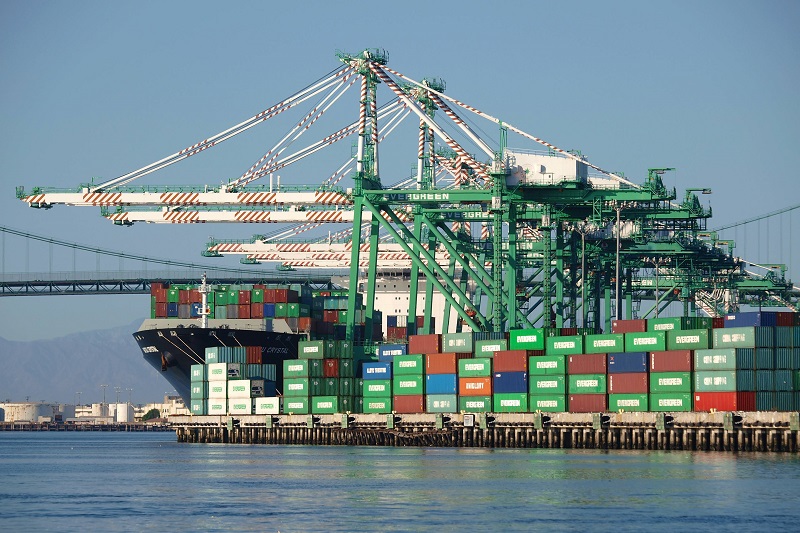 Maersk is the international shipping company that delivers millions of containers of goods all around the world, mostly by ship. They are warning that warehouses are full of previously delivered goods, unsold consumer durable goods, as retail sales have come to a standstill.