The politicians in Dutch government recently passed sweeping new climate regulations that will result in more than a third of farmers losing their business. The government announced a €25 billion plan to radically reduce the number of livestock in the country in order to curtail emissions.
As the Guardian reports, “A deal to buy out farmers to try to reduce levels of nitrogen pollution in the country had been mooted for some time,and was finally confirmed after the agreement of a new coalition government in the Netherlands earlier this week.” The plan is to reduce farming in the Netherlands, by a “one-third reduction in the numbers of pigs, cows and chickens in the country.” However, the farmers are fighting back.
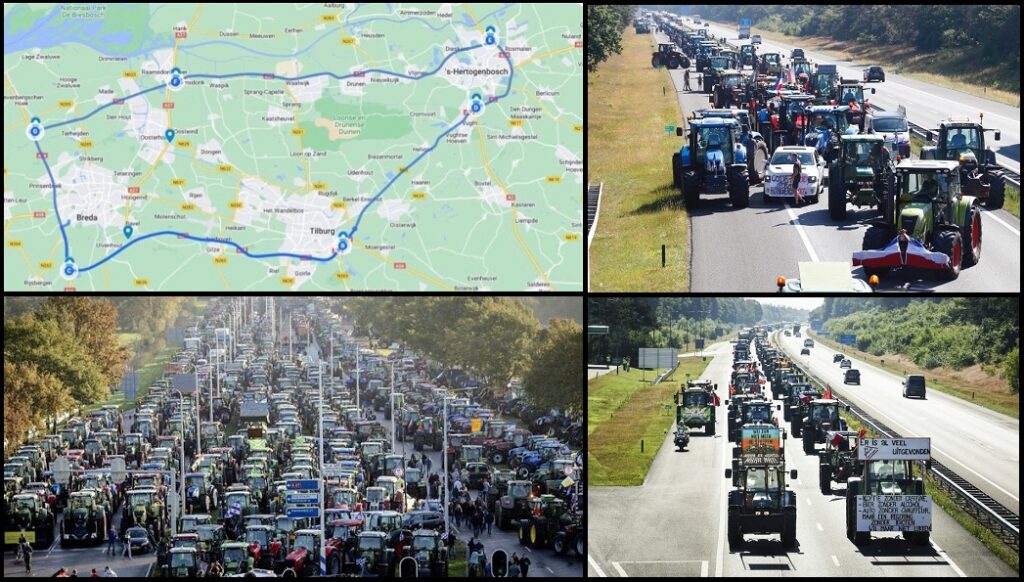
The unorganized grass-roots groups have been randomly blocking roads and transportation hubs for the past three days. They have also been dropping truckloads of manure at the entrances of government businesses. In a show of solidarity, the fishing industry is now blocking ports. Additionally, the farmers are starting to block the distribution centers of supermarkets and key roads forming a cauldron where transit is at a standstill.
As grocery store shelves go empty, the government is now asking the military to intervene and stop the farmer blockades. However, the Dutch people overwhelmingly support the farmers. Things have evolved into a social and economic war between the farmers and Build Back Better government ideology chasing climate change goals.
(Reuters) – Dutch farmers angered by government plans that may require them to use less fertilizer and reduce livestock began a day of protests in the Netherlands on Monday by blocking supermarket distribution hubs in several cities.
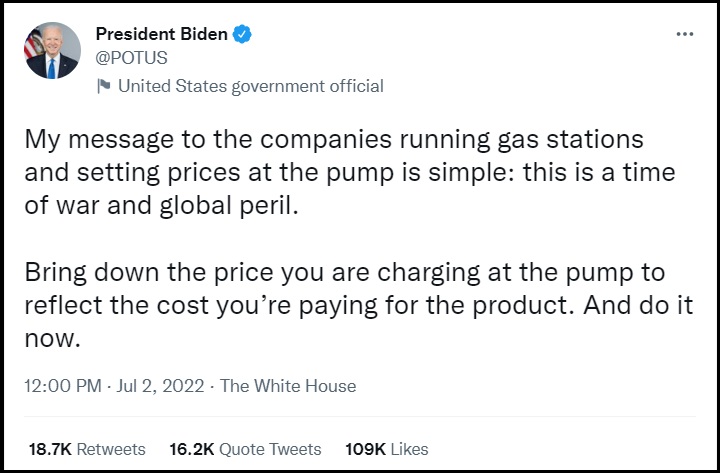
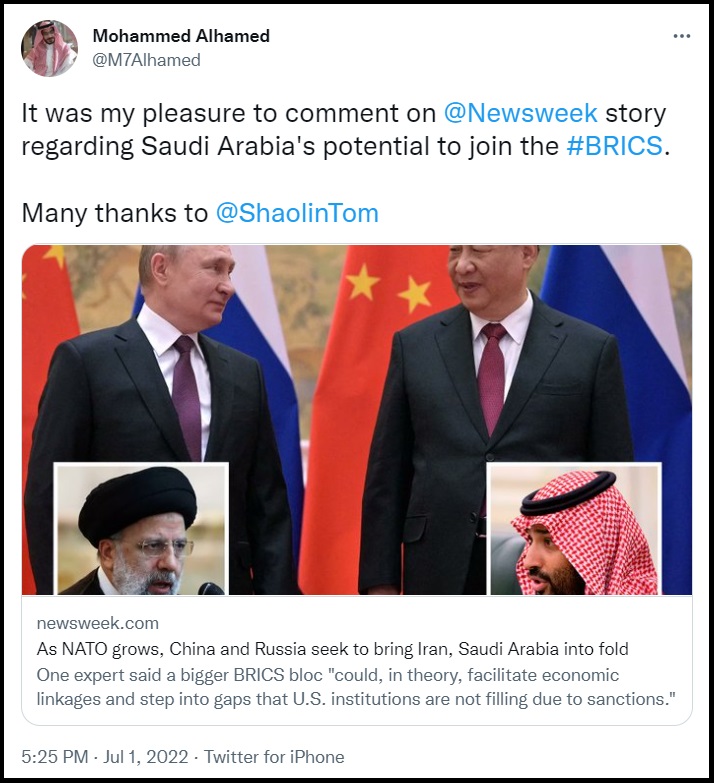 We have been closely monitoring the signs of a global cleaving around the energy sector taking place. Essentially, western governments’ following the “Build Back Better” climate change agenda which stops using coal, oil and gas to power their economic engine, while the rest of the growing economic world continues using the more efficient and traditional forms of energy to power their economies.
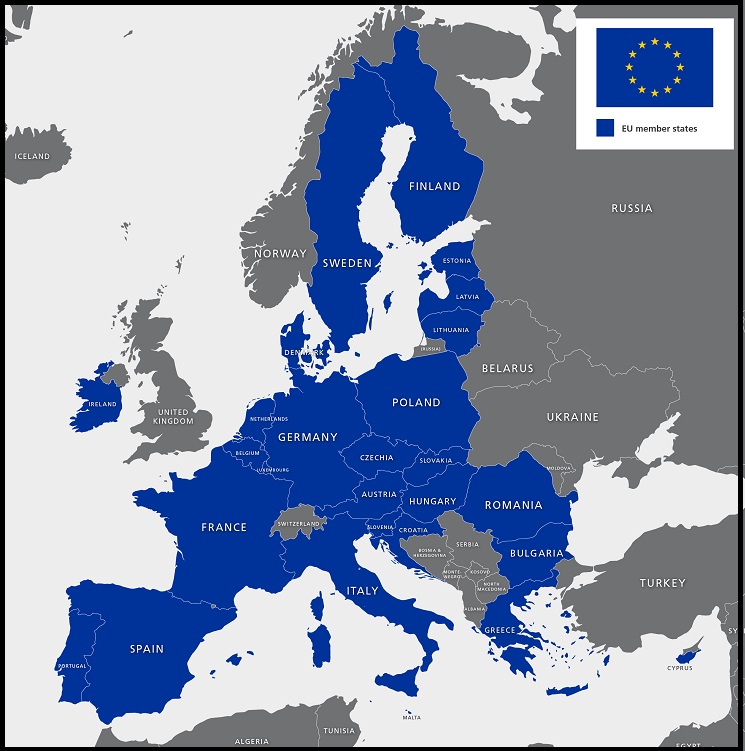 Essentially, according to Legarde, the EU subsidized businesses to maintain employment; the EU covered payroll expenses during lockdowns, while the U.S. sent direct payments to the American people who were impacted by the lack of work (basically everyone).