Two weeks ago, a NATO blockade of Kaliningrad, an outpost of Russia, was triggered when Lithuania blocked the transport of goods through Suwalki corridor. According to the Lithuanian justification they were following through on NATO sanctions against Russian goods. However, the escalation was very provocative toward Russia and discussions between Russia and NATO countries were tense.
Apparently, Germany was increasingly concerned the blockade was creating a scenario where Russian military were going to escort the transport of railroad goods to Kaliningrad, and that would lead to escalated military conflict with Russia. “German Chancellor Olaf Scholz is eager to avoid unnecessary provocations of Russia. He has repeatedly emphasized that he would do everything in his power to ensure that NATO does not become a party to the war between Russia and Ukraine. German soldiers are stationed in Lithuania and could become involved in a possible conflict.” {link}

The EU has now dropped the blockade and the transport of goods between Kaliningrad and Russia will resume. The EU decision was made before the NATO meeting in Madrid concluded; however, it looks like NATO postponed the announcement until after Biden left in order to save face on the reversal of position.
GERMANY – The European Commission plans to issue a clarification that will allow Russia to resume sending supplies to the exclave of Kaliningrad via Lithuania. Berlin supports the idea, but some in Vilnius are not pleased.
[…] The move will put an end to a disagreement that had not only been a significant source of tension between Russia and Brussels – but also exposed deep rifts within the EU regarding the correct approach to Moscow.
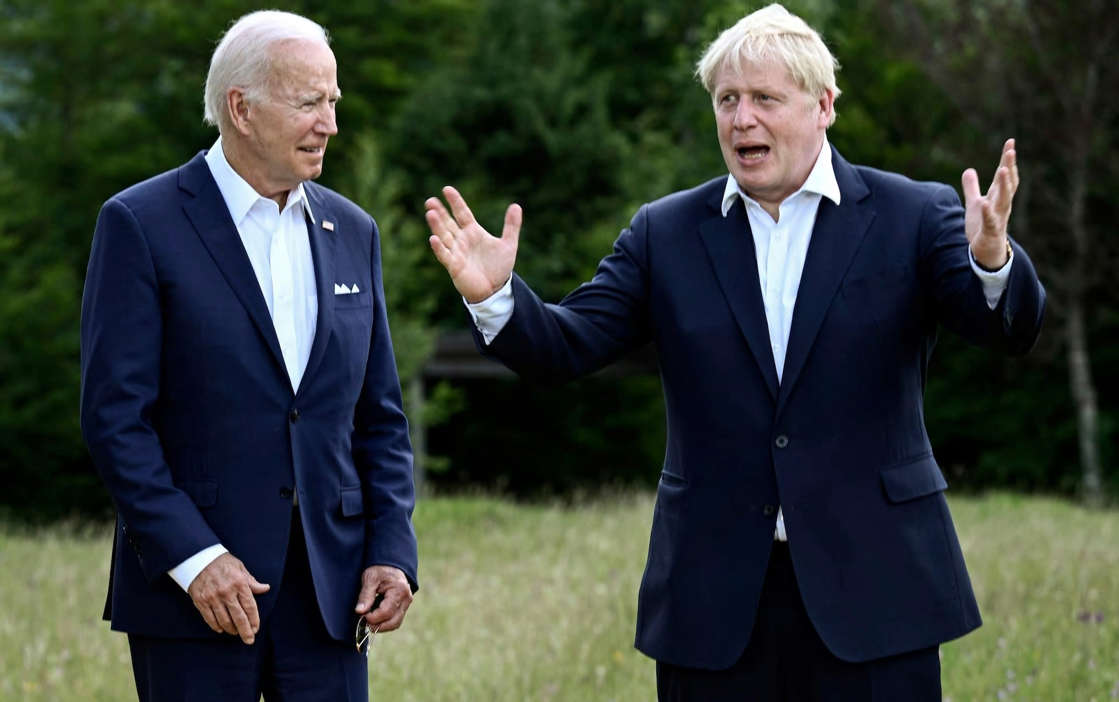 With a pending global food shortage only looking worse by the day British Prime Minister Boris Johnson has proposed to use biofuel farmland to grow food that can be consumed by people.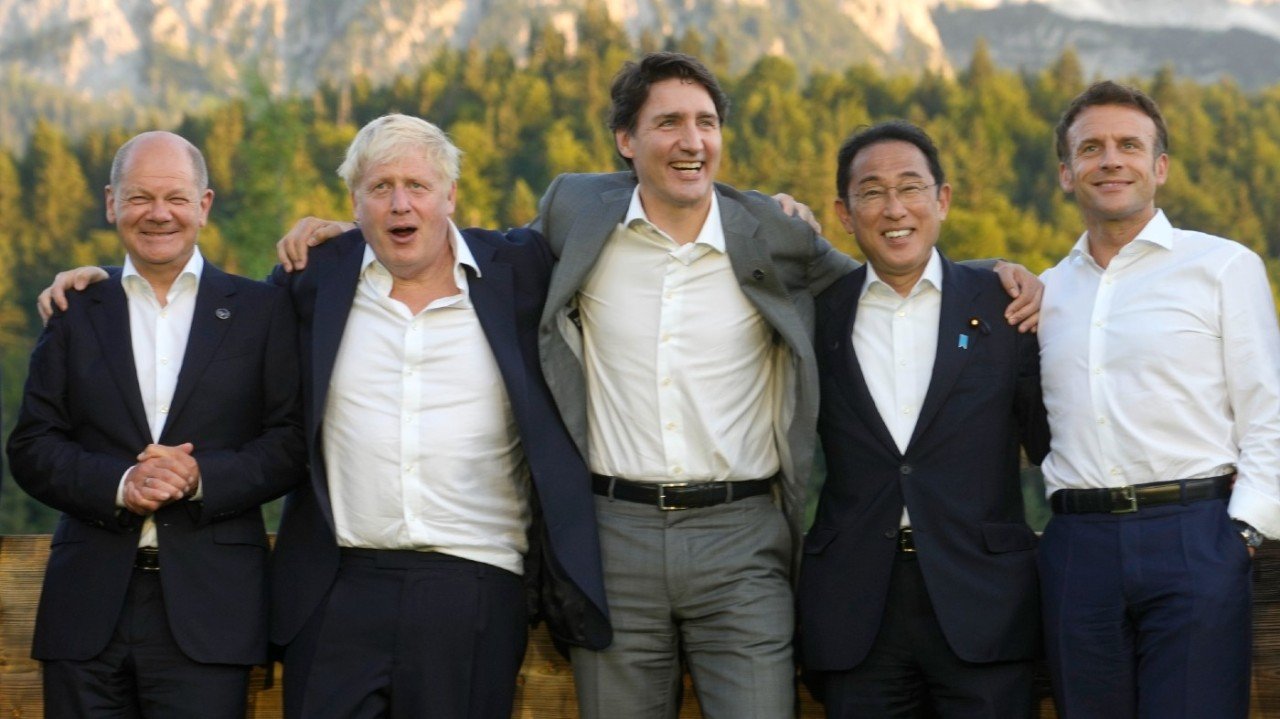
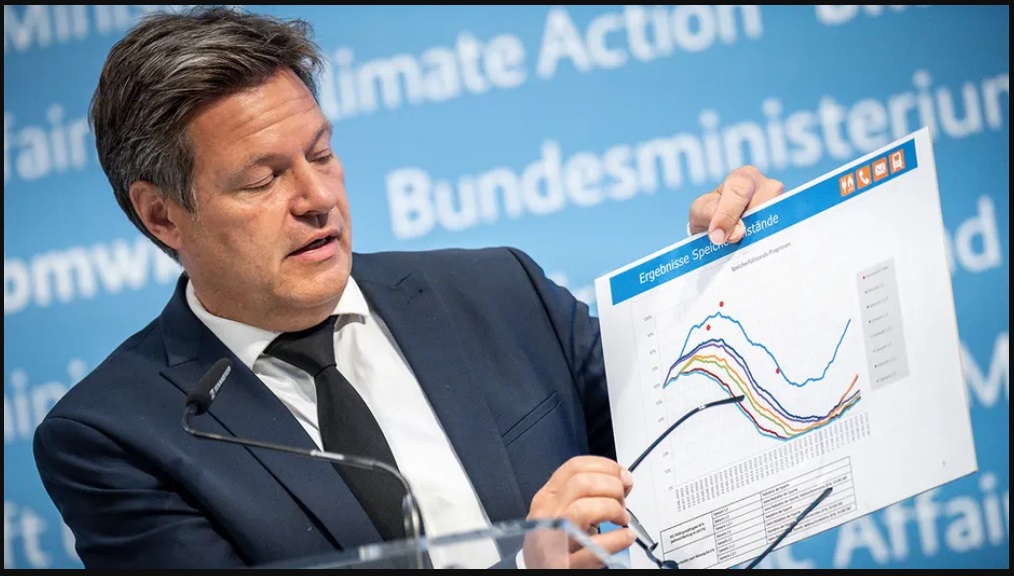
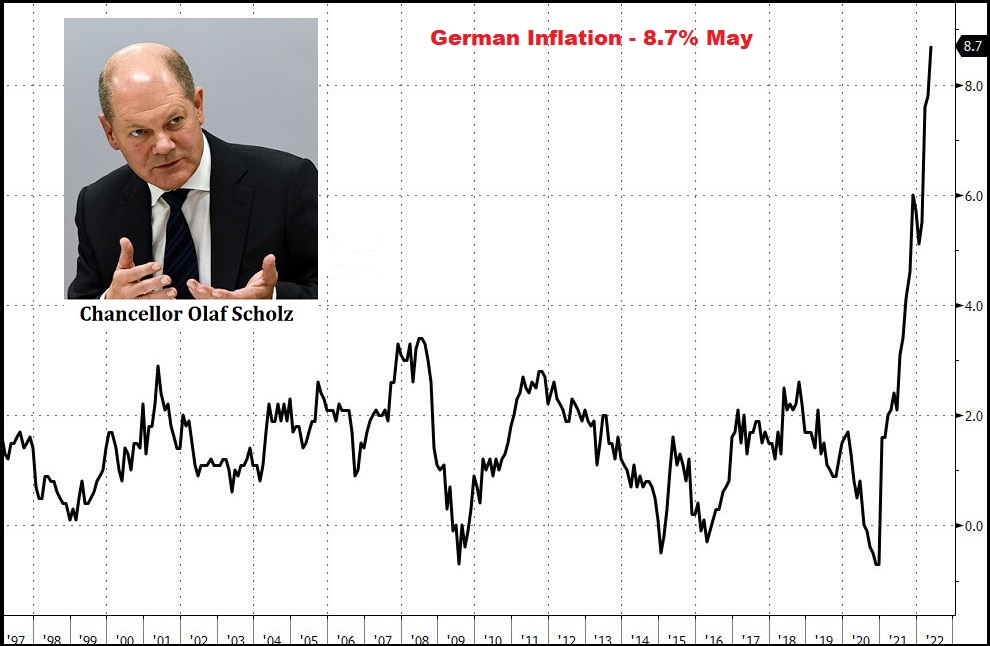
 The inflation rate is being driven mostly by energy costs which are more than 80% higher than last year. However, each nation’s overall inflation rate is also driven by the amount of central bank spending they used during the COVID economic lockdowns. The more any govt spent on subsidies, the more money they printed, the more they devalued their money and subsequently, the higher their current rate of inflation.