Monmouth University conducted another political poll of U.S respondents [SEE Survey HERE]. In addition to the plummeting approval of Joe Biden, the worst yet approval at 36% according to the survey, the respondents were asked to list their top concerns (Question #7).
The responses were recorded but did not come from a list presented by Monmouth. They just compiled the results. As stated, “what is the biggest concern facing your family right now?” The results show the top priorities of Americans and the disconnect between the priorities of congress and the American people are stark.
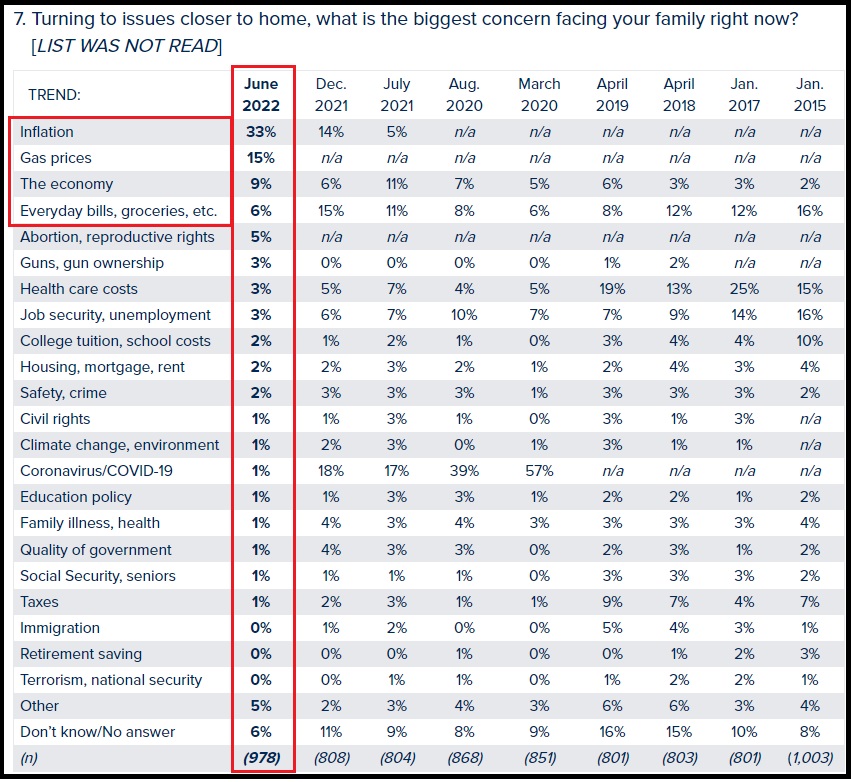
Nowhere on the expressed concerns did anyone identify supporting Ukraine or the Russia -v- Ukraine conflict, as a priority; yet, Ukraine has taken up almost all of the legislative effort from congress. The total taxpayer-funded congressional spending is nearing $100 billion. Additionally absent from the concerns of the American people, is any mention of the January 6th committee; again, another time wasted political exercise by a congress detached from the priorities of the electorate.
The top priorities are what we would expect to see, economic issues. Inflation, Gas Prices, the Economy and the ability to pay everyday bills (groceries) are the priorities of the American people. All of these issues are directly caused by Joe Biden and the policy of his administration. Climate change, the #1 focus of the administration, is not even in the top ten. We are in an abusive relationship with our own government.
 Because the consequences are horrible, that’s precisely the reason Joe Biden might push to have the Russian price cap. Every policy Joe Biden has historically supported, has been the exact opposite of what should have been done. Biden has a profound and innate ability to screw up anything.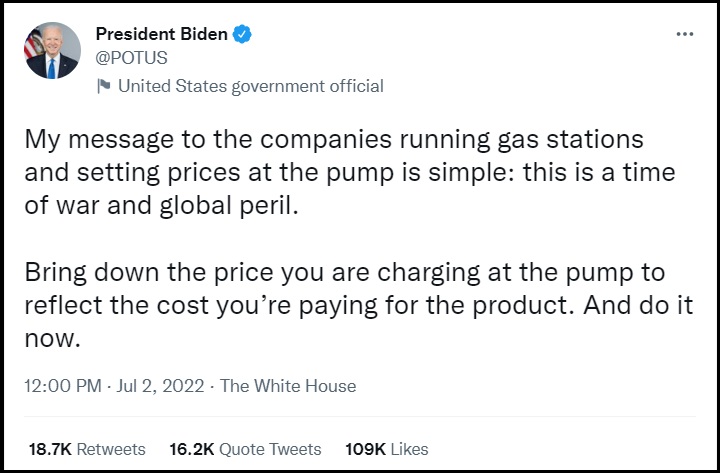
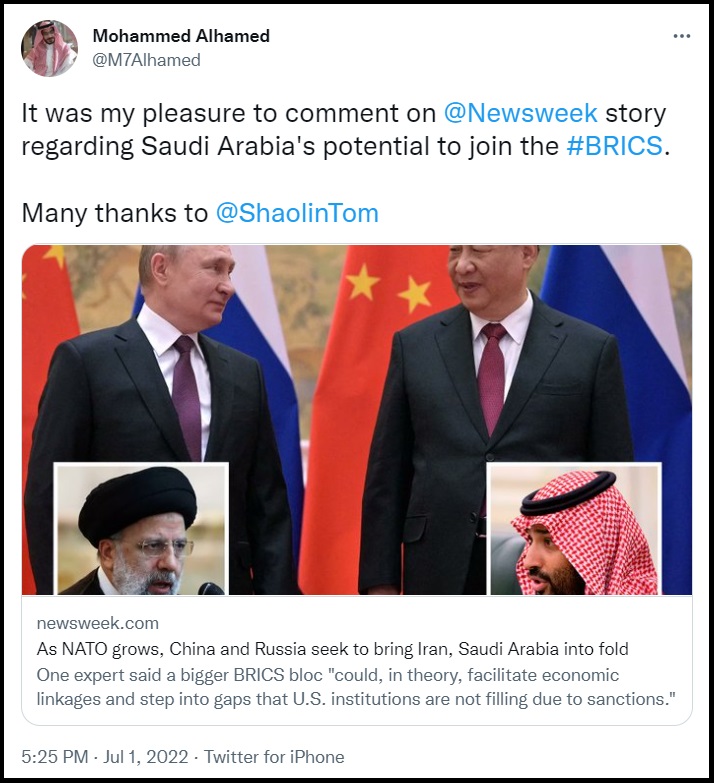 We have been closely monitoring the signs of a global cleaving around the energy sector taking place. Essentially, western governments’ following the “Build Back Better” climate change agenda which stops using coal, oil and gas to power their economic engine, while the rest of the growing economic world continues using the more efficient and traditional forms of energy to power their economies.
 The demand side argument/justification for inflation was always false. However, it was/is still the claim made by members of the Biden administration and almost every board member of the federal reserve.