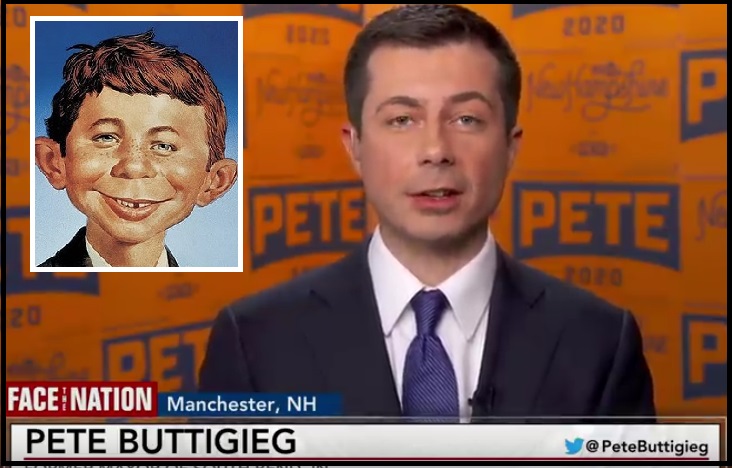
 No politician in history -sans Carly Fiorina- is as intellectually deficient on any policy yet resoundingly skilled at parseltongue sentence structures as Alfred E. Newman, aka Transportation Secretary Pete Buttigieg.
The ability to speak in structured sentence soundbites, that mean absolutely nothing, was and is his forte.
When Barack Obama and James Clyburn were organizing the pathway for Joe Biden in the 2020 election, they reached out in March to the remaining candidates and told each of them they were going to withdraw. Each candidate was given an offer they could not refuse along with a question of what terms it would take to get them out of the race and support the avatar that was/is Joe Biden.
Having watched the Buttigieg snap-n-pop candidacy, it was obvious his terms involved getting an innocuous job that would provide him and his husband enough graft to facilitate their lifestyle. Obama and Clyburn offered Alfred E. Newman the job of Secretary of Transportation. Pete Buttigieg’s curriculum vitae included that he held a drivers license, so he gleefully exclaimed his qualifications and accepted the job.
The guy is an absolute doofus; a soy version of Greta Thunberg, who is incapable of speaking about anything that makes any sense. He is a caricature of the person who thinks they know something, so they speak in weird sentences that amount to total gibberish. WATCH:
.
“What I can tell you is that we are doing everything for the short term and the long term and we will work through the factors that present themselves as challenges in the terms that we encounter on everything. … The significant problems are not problem of insignificance because they are not important problems, they are significant challenges because of the importance of their significance and we are addressing them in both long and short term solutions. … This is important, not just morally but also economically, because the challenges are what we need to recognize as important maintenance issue challenges.” (more…)
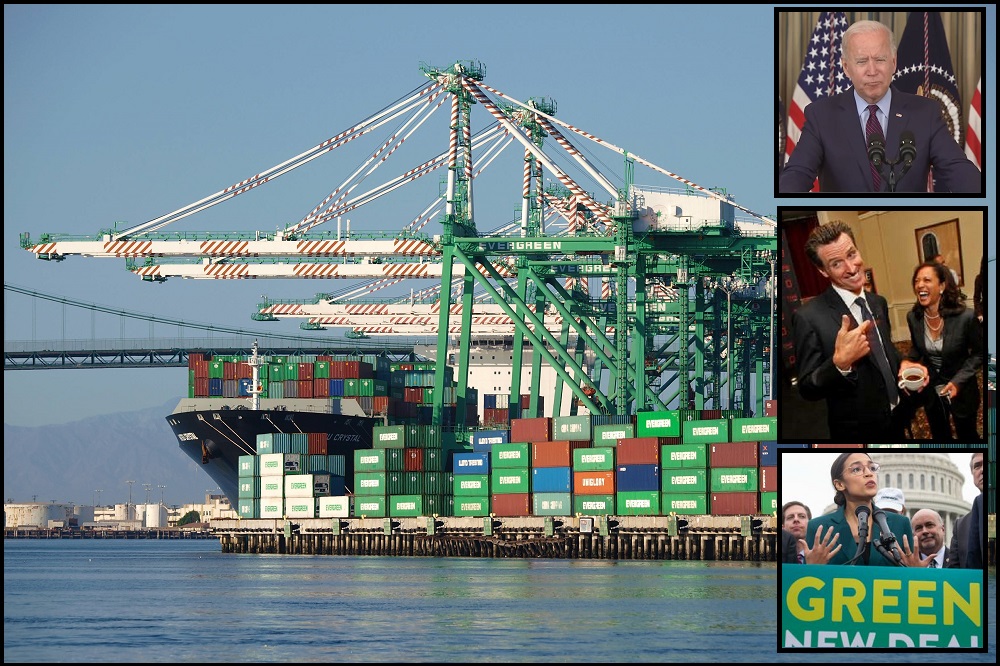
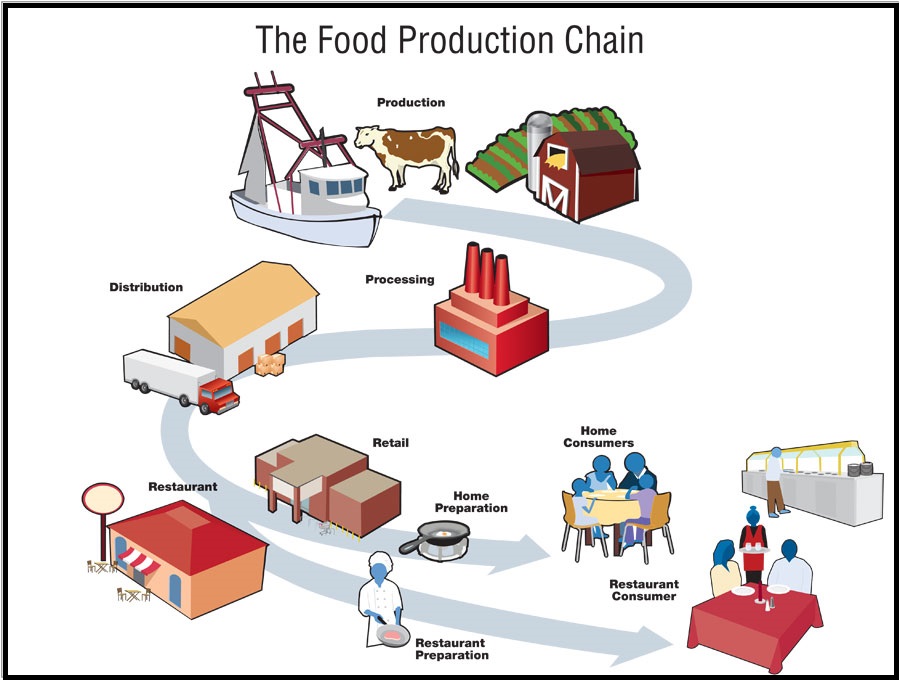 In part, the extreme upward cost pressure from escalating fuel and energy costs are accumulating throughout the supply chain and surfacing in the prices of the finished products. We are all witnessing this in the prices at stores; especially in the quick turning products, like groceries (fast turn consumable goods), which reflect price increases the fastest.
 This should not be unexpected for those who read here. Massive price inflation on essential goods is eating up wages. Food, fuel and energy price increases are changing consumer spending habits. Non-essential purchases have stopped….. they haven’t slowed, they have stopped. ←Emphasize this because it is not showing up yet in the data lag.
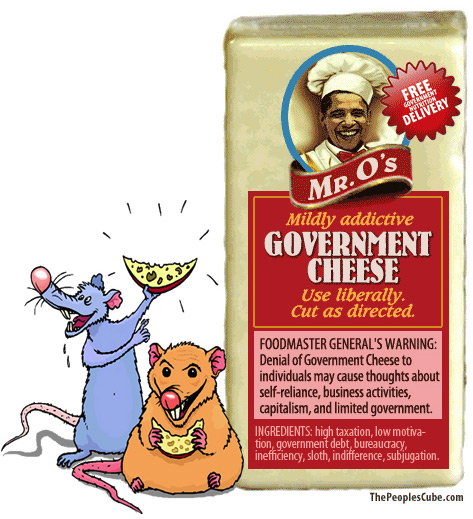 If you know how the game is rigged, it’s actually easy to predict the background. Today, exactly on cue, several media outlets are now reporting that Joe Biden is going to increase the amount of food stamp assistance by 25% per recipient, and expand the program.
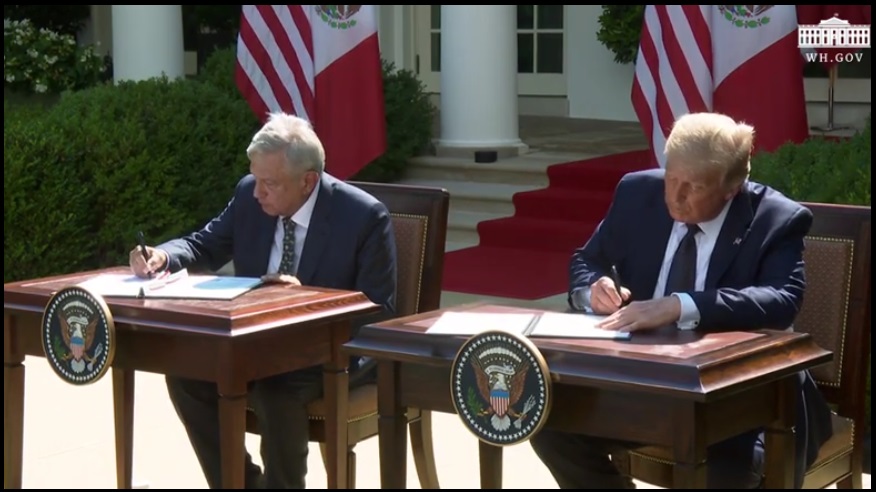 President Lopez-Obrador and President Trump found their common partnership easy, because the Trump doctrine was essentially supporting the authentic voice of the Mexican people; while asking for help on specific issues (border security).
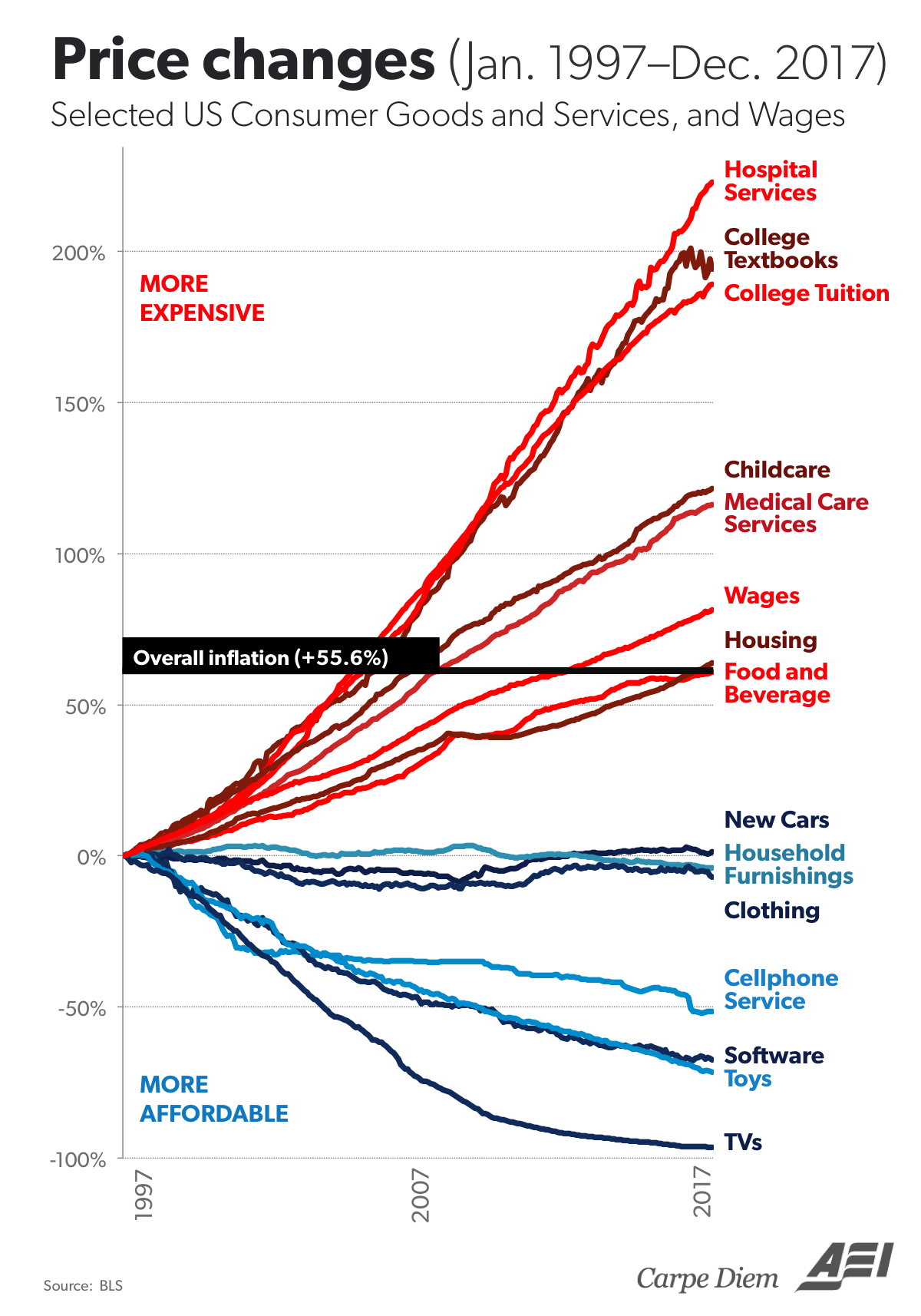 Increases in inflation hit the working class (Main St) much harder than the investment class (Wall St) and financial elites. Factually the multinationals benefit from U.S. inflation as it puts pressure on domestic companies to ship their manufacturing overseas. Wall Street likes that. This dynamic has been an issue not-discussed by the financial media for decades. First, the Reuters article (when you see “commodity prices” think about the term “consumables”):