My dearest friends, I have not spent a decade focusing on FISA or the ‘702’ issues because defeating the pending surveillance state has been the priority; that is an ancillary matter against powerful financial interests.
No, the core of my focus has always been on what FISA (702) represents.

 FISA (702) et al, is a tool, a key per se’. A key that unlocks a data library. We debate control of the key, but do not spend enough time focusing on the data library itself and what it represents.
I’m not even sure if President Donald Trump is fully aware of this or not, but I am generally confident that DC insiders understand the potential.
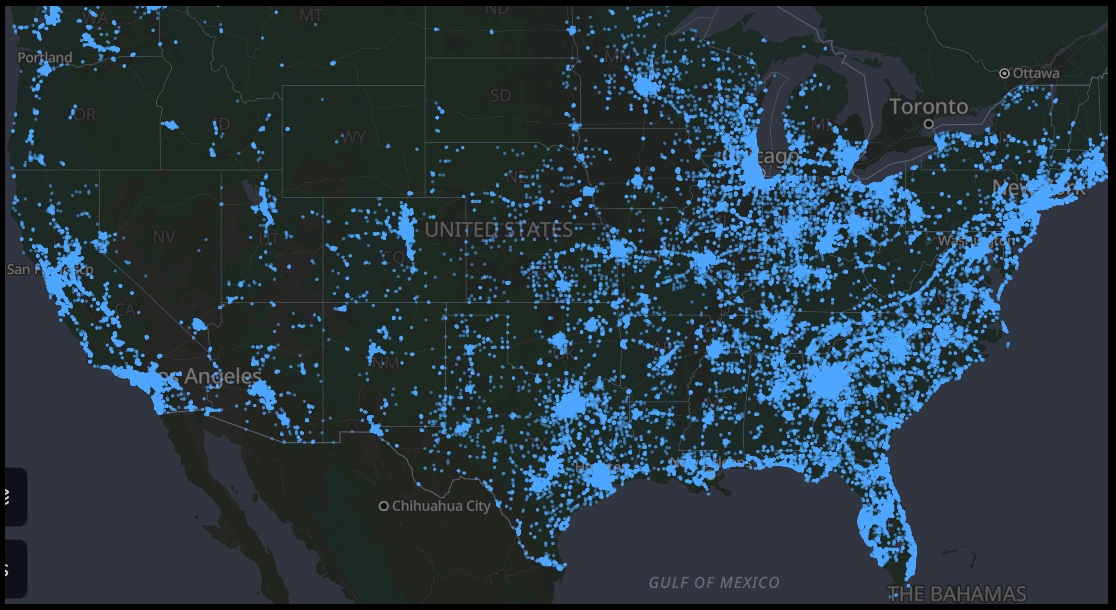
The NSA database is essentially a library of information about activity. It is a storage box of metadata and within that data there is a sub-set, a flow of information related to election activity.
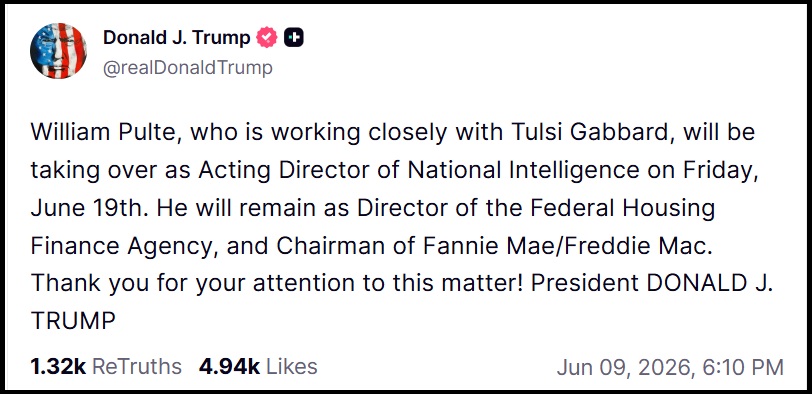
Behind that part of the issue, with that thought in mind, you now have an expanded perspective of why the ODNI would be involved in election type investigative activity. The DNI is above the NSA Director. The ODNI is an access point to the data library. Tulsi Gabbard as DNI has a vested interest in all the data housed within that vault.
Congress stood jaw agape at the appearance of DNI Gabbard in Fulton County, Georgia, without actually recognizing what stakeholder interests are represented by the content in Fulton County election warehouses.
Essentially, the NSA data vault shows XXX activity, and the factual paperwork supporting XXX exists in physical warehouses. The data is within a digital library. The factual paperwork is on the ground.
Now, pause for a moment and understand the digital library is one aspect. Access to that digital library is an entirely different kettle o’ fish.
(more…)
Posted in 4th Amendment,
Big Government,
Big Stupid Government,
CIA,
Conspiracy ?,
Dept Of Justice,
DHS,
Election 2026,
Lawfare,
media bias,
President Trump,
propaganda,
Spygate,
Spying,
THE BIG UGLY,
Uncategorized,
USA,
Voter Fraud