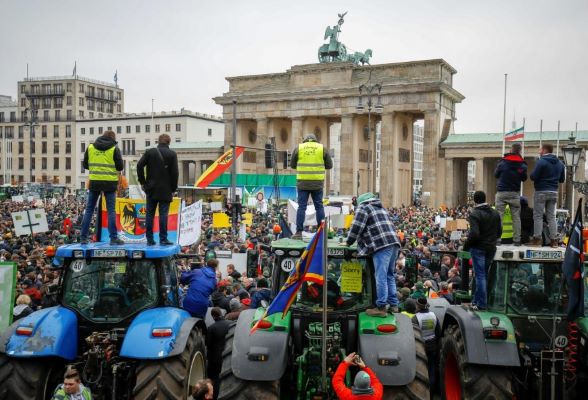
The German farmer protests are strategic. The reality that food doesn’t originate in a grocery store is an odd concept for many who do not pay attention. The latest strategic move by the farmers aims to highlight the issue.
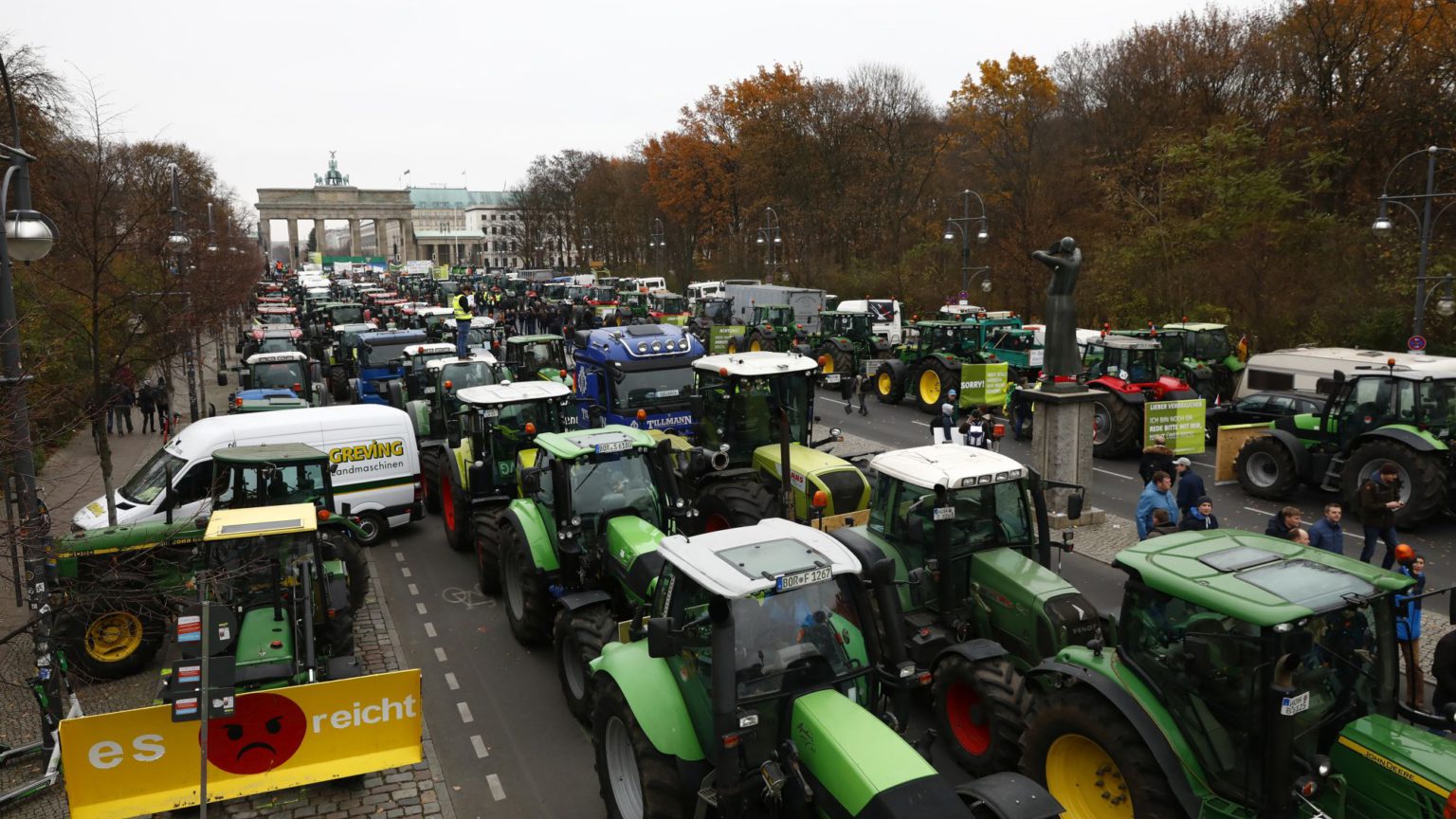 With an alliance of truckers supporting the farmers, the German farmers have now begun short-term blockades of warehouse and distribution centers. The farmers are following and disrupting the general supply chain, leading to delivery issues upon the downstream retail stores that carry their products.
GERMANY – In Germany, farmers block the warehouses of retailers Aldi, Amazon and Lidl. This is reported by the telegram channel “Militarist”.
As the media reported, the president of the Bavarian Farmers’ Association Gunther Felsner said that regional organizations representing the interests of farmers want to enter into dialogue with representatives of the federal government this week. According to the head of the association, if the authorities do not agree to concessions, nationwide protests will continue.
The FRG government should be interested in improving the situation, the lack of dialogue between the Cabinet and farmers harms all participants. This was stated, in turn, to the newspaper Süddeutsche Zeitung, German President Frank-Walter Steinmeier.
Recall, despite the budget deficit, the German government ordered for themselves luxury helicopters for 200 million euros, wrote the day before the telegram channel “Bild in Russian”. (read more)
This approach follows the continued use of farm tractors to block major roads and transportation arteries around Germany. The various cross border and national truckers support the farmers because the overall issues, particularly the diesel prices and taxes therein, are important to the economic livelihood of both.