If you have been following along, you might remember the note we made in July about not every country willing to go along with the western agenda on energy reduction, climate change, and raising interest rates to shrink their economy down to the scale of diminished energy development {Go Deep}.
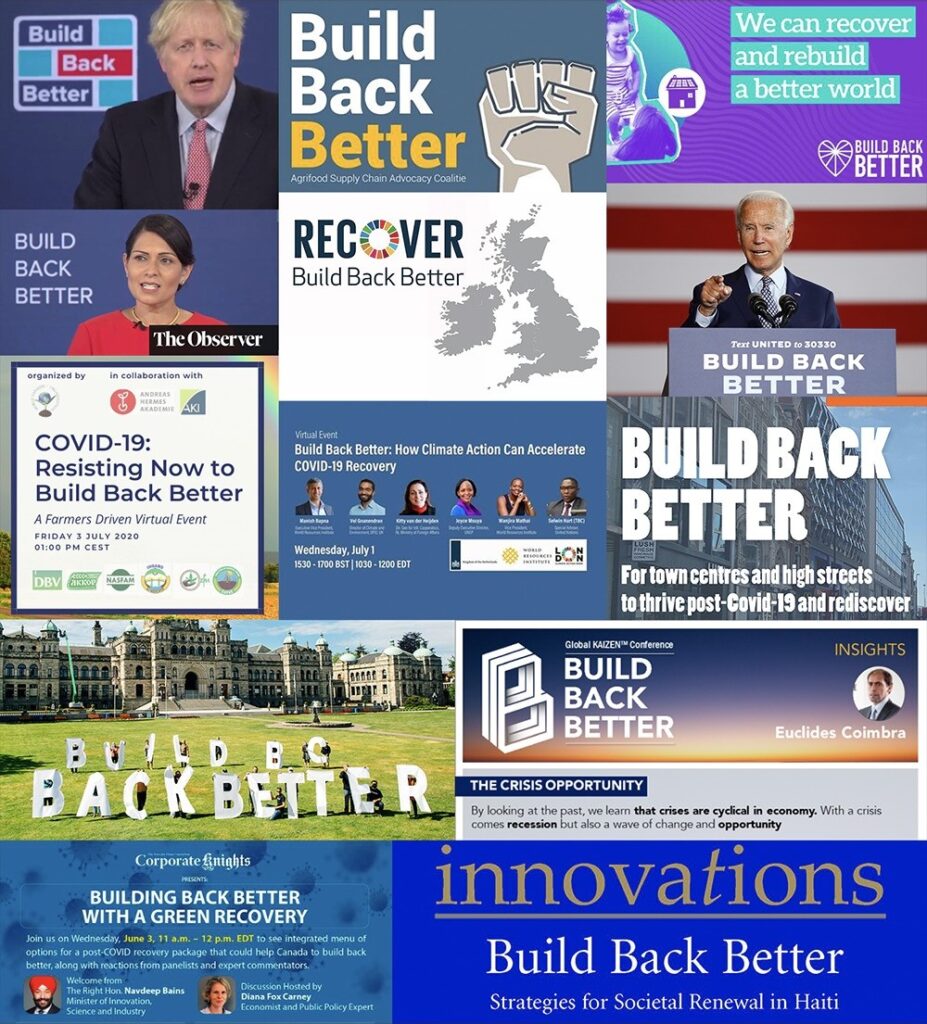
 In addition to Russia, China, Iran, Brazil, South Africa, Argentina and India vociferously retaining their own economic and monetary independence, Mexican President AMLO literally blasted the program while visiting the White House and the Bank of Japan refused to join the mantra to raise interest rates. Essentially, all of the aforementioned nations see the collective Build Back Better program for what it is, a path to poverty.
As a result of their non-compliance with the global bankers, which, not coincidentally I would point out, coincided with the assassination of Shinzo Abe, the government of Japan has been getting blasted by the proverbial ‘west’ (U.S, Canada, U.K, Europe and Australia).
Japan is attempting to deal with inflation by focusing on increasing energy production and security (the supply side); while the rest of the western group have been chasing the false promise of decreased inflation by lowering the demand side, ie. pretending not to know their energy policy is creating the increases in costs.
As a result of the distinctly different monetary approaches, the financial system has been trying to punish Japan and the financial media have been trying to point out every flaw in the Japanese economy as a result of their noncompliance. However, as you will see in this Reuters article, the July inflation within Japan is moderating. Inflation in Japan is 2.4% for July (year over year).
TOKYO, Aug 19 (Reuters) – Japan’s core consumer inflation accelerated in July to its fastest in seven-and-a-half years, driven by fuel and raw material prices and adding to the costs of living for households yet to see significant wage gains.
(more…)
 A
A 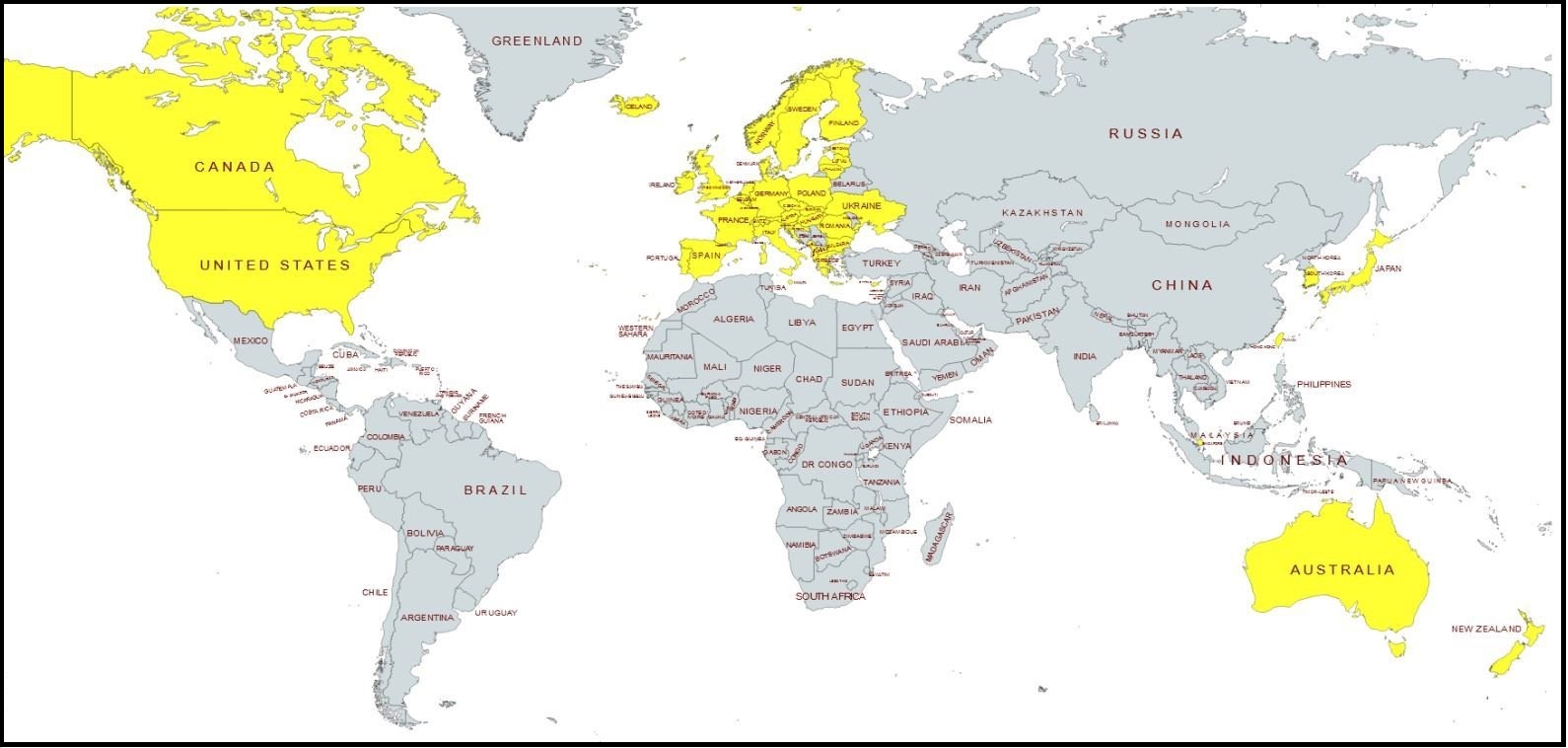
 President Trump is funded primarily from massive amounts of small contributions from small donors, the MAGA base.
 Western governments’, specifically western Europe, North America (U.S-Canada) and Australia/New Zealand, are intentionally trying to lower economic activity to meet the intentional drop in energy production.
 Few people are buying electronics, home goods, durables or clothing. Any retailer that specializes in the sale of non-essential items is going to feel the financial results of working-class families reprioritizing their spending. Checkbook economics is the economics that matters.
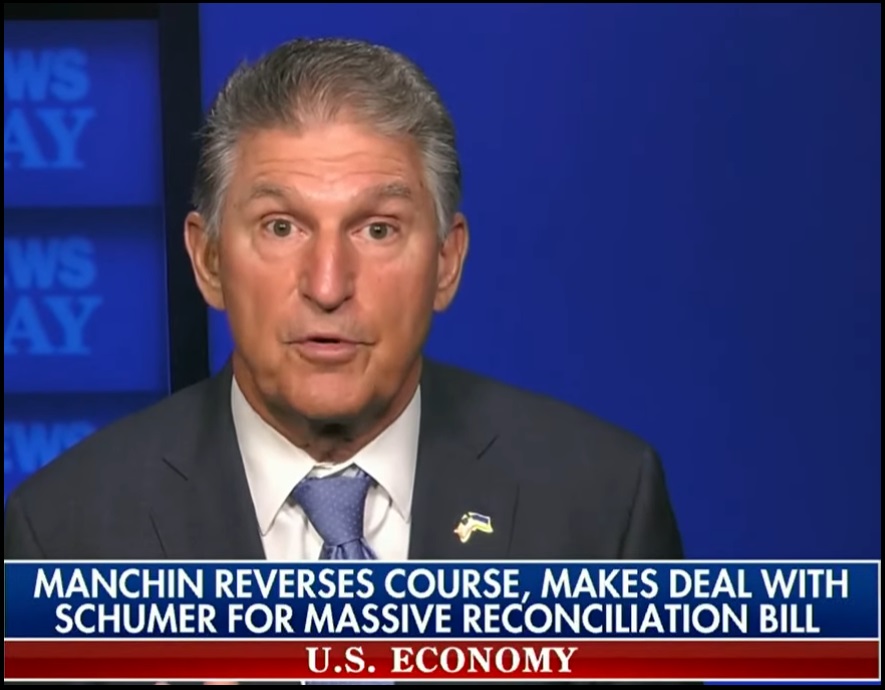 On July 31, According to Manchin