Whenever we are discussing the intentionally managed decline of the western countries, it is important to remember the closely connected relationship between multinational corporations and the political leaders of those nations. Specifically, their public-private connections as they run through the World Economic Forum assembly.
An intentionally managed decline of western economic activity should have a direct impact on the private corporations within those economies. If the politicians are collectively going to stop energy development, raise energy prices (inflation), then use monetary policy to shrink the economy down to the level of energy available, we would normally think corporations were going to make less money.
That preceding paragraph is not controversial. It simply explains exactly what is happening; that is the situation. However, for some weird reason the system that evaluates corporate wealth is not responding negatively to the reality of the situation.
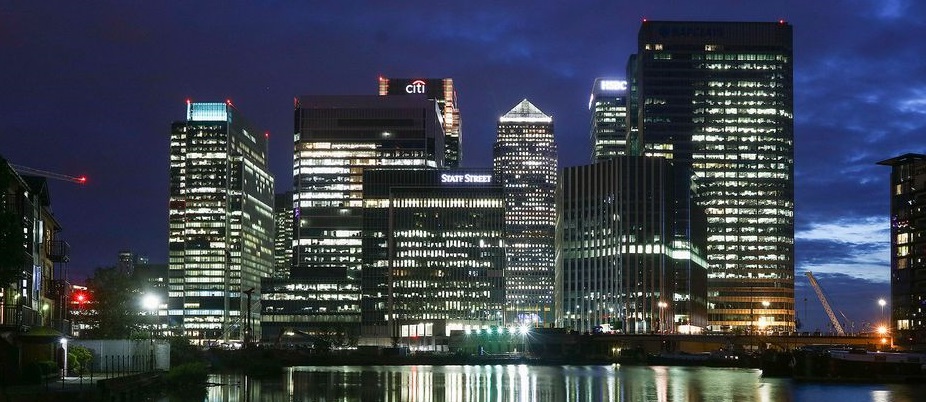
Traditionally, we would think destroying the economy would be against the interests of the multinational corporations who benefit from economic expansion. However, in the era of subsidized and controlled economic management, I’m not so sure the corporations are stakeholders in economic growth. Something is profoundly disconnected, or else the corporations would be raising hell with the politicians.
BERLIN, Aug 3 (Reuters) – BMW (BMWG.DE) lowered its output forecast and warned of a highly volatile second half on Wednesday, pinpointing supplies of energy in Europe and chips worldwide as the two crucial factors to the carmaker hitting full-year earnings targets.
New incoming orders were beginning to fall but order books remained filled for the next few months, chief executive Oliver Zipse said. (read more)
All of the basic indicators point in one direction.
(more…)
 During her term in office, millions of dollars’ worth of Hurricane Maria aid was discovered being stored and sold on the black market from various warehouses. [
 The Biden administration is attempting to work out a prisoner exchange where Griner and Paul Whelan, a former U.S. Marine detained in 2018 in Russia of espionage charges, would be released in exchange for Russian arms dealer Viktor Bout.
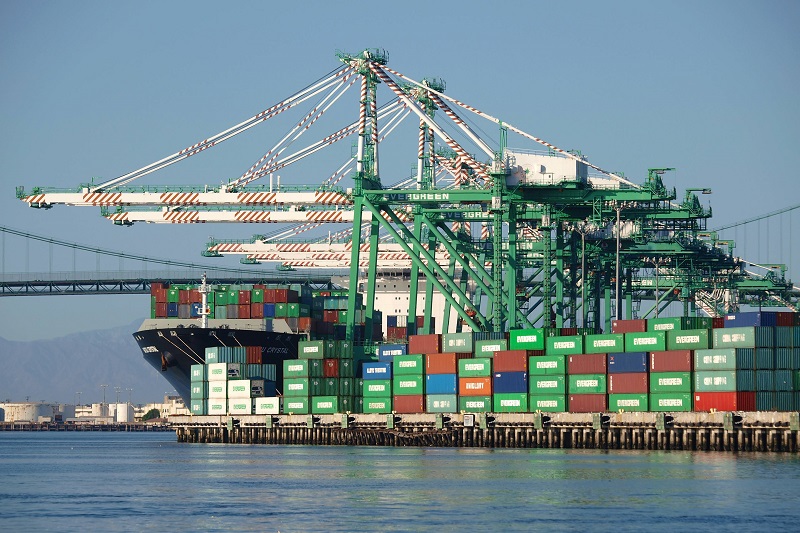 Maersk is the international shipping company that delivers millions of containers of goods all around the world, mostly by ship. They are warning that warehouses are full of previously delivered goods, unsold consumer durable goods, as retail sales have come to a standstill.