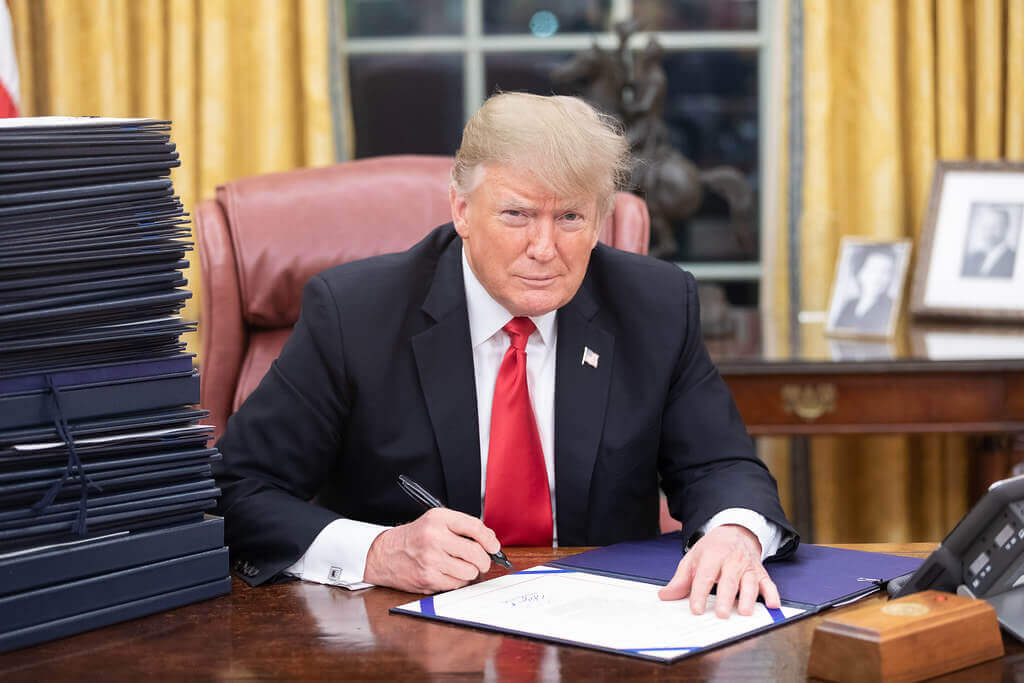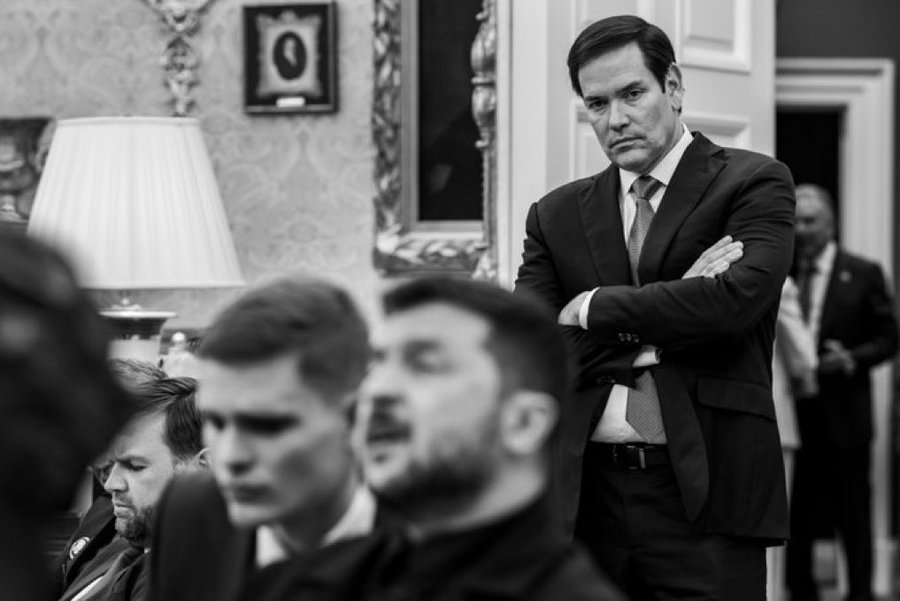
President Trump answers questions from the media as he departs the White House to board Marine-One. President Trump was asked about Zelenskyy’s claim that Starshield and/or Starlink systems were slowed down following instructions from the White House. Trump says he doesn’t have any idea why that would be said, but he asked about it and was told that nothing changed. It appears Zelenskyy is making stuff up again.
President Trump also noted that he told Press Secretary Katie Zacharia to reconsider whether or not she wants the job as White House Press Secretary. He remarked that he told Zacharia to “reconsider” the job given the attack posture against her by the mainstream media. Trump just wants Zacharia to be happy, and he’s concerned about the attacks from the media toward her and her family. WATCH:
.