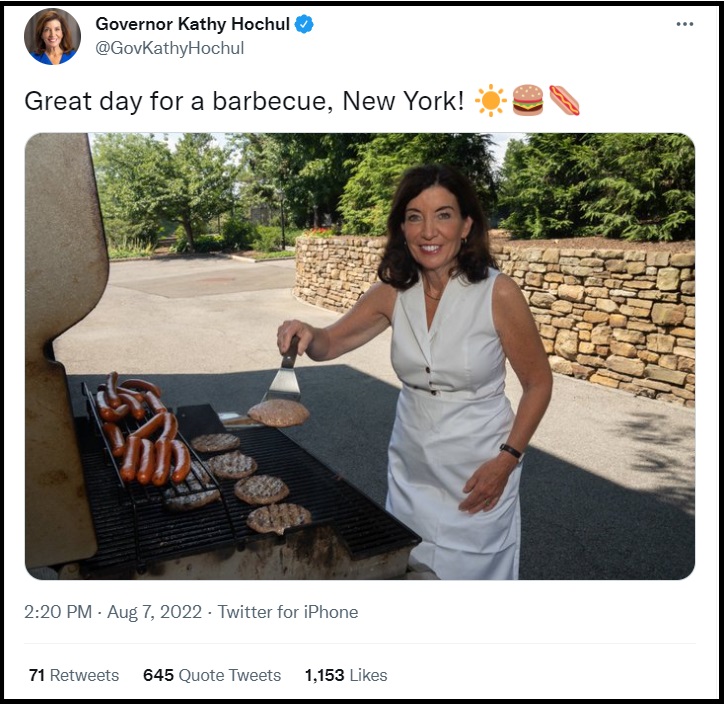
We are in an abusive relationship with our own government. If you want a real-time example of how governmental bureaucracy fits into this statement, look no further than the footnote at the bottom of this article ¹cited from the BLS report today.
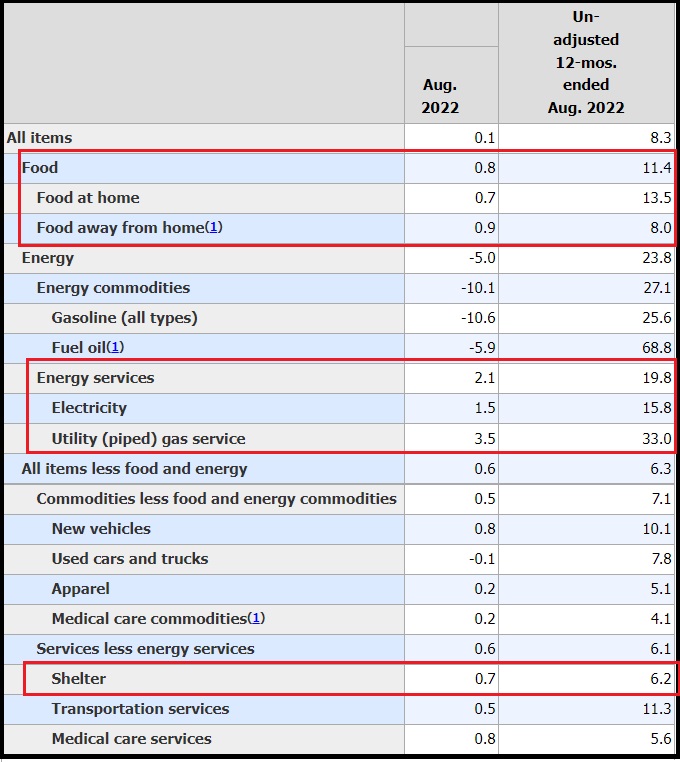 The Bureau of Labor and Statistics (BLS) has released the August inflation data today [DATA HERE] with a top line at 8.3 percent year over year. Unfortunately, things are unfolding exactly as we previously shared. [Modified Table 1 at left]
Despite the temporary drop in gasoline prices (-12%), the costs of food (+13.5%), electricity (+15.8%) and housing (+6.7%) are crushing U.S. consumers. The stock market is responding accordingly. We can only imagine the inflation data if the heavily weighted gasoline factor was not pushing overall toplines down. Estimation of inflation would be well over double digits.
Keep in mind, as you read this review the price of the current harvest (prior field costs) is only right now coming into the food supply chain.
Food inflation is running at its highest rate since 1979 (+11.4%) and it will go higher as the third wave in this sector hits.
To give you an example, margarine increased in price 7% in August alone, that’s an annualized rate of 94% [Table 2 details]. Flour is also on pace for another 22.8% increase right as the holiday baking season begins.
We cannot eat gold, silver or durable goods. Electricity, home heating (natural gas), food and housing costs are priorities right now. Main Street USA is being crushed by Joe Biden overall economic and energy policies. It’s bad now, and going to get worse – much worse, as the third wave of food inflation has only just begun.
 On Sept 7, the President of the European Commission, Ursula von der Leyen held a press conference in Brussels, announcing five initiatives to contain the expensive EU energy crisis: “The goal is clear. We must cut the revenues of Russia that Putin uses to finance this atrocious war against Ukraine.” {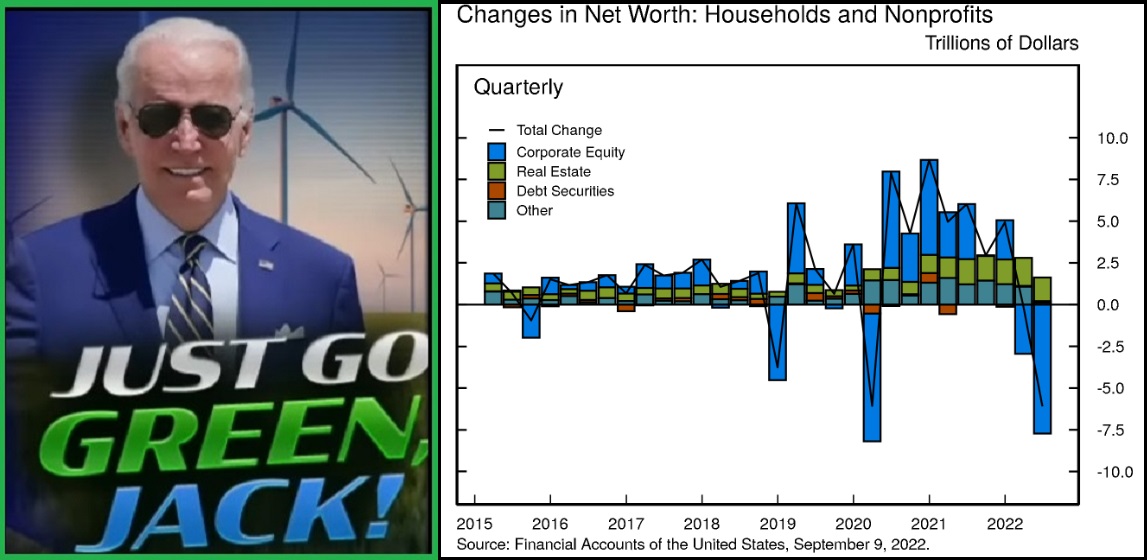
 Predictably 2023 is going to be the beginning of several ‘Build Back Better’ decades where the ownership of material things disappears. When your wages are focused on sustaining yourself with housing, food and energy, all of those other purchases become mere indulgences.
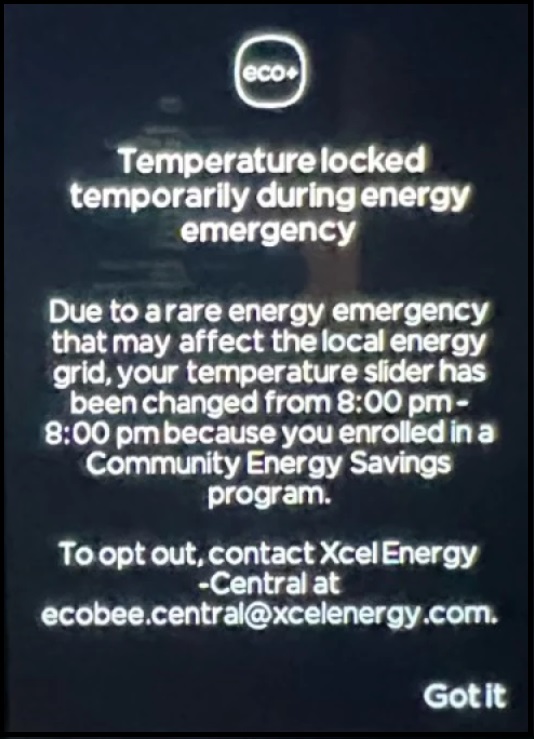 Comrades, a heatwave hit the Colorado region Tuesday with temperatures exceeding 90 degrees.
 On July 31, According to Manchin