The G7 leaders have been debating the problem of African farming for quite a while. The issue surrounds the conflicts between the G7 climate change agenda and the need for Africa to develop fertilizer production to enhance their farming and crop yields.
As noted in a Reuters article from June, “the European Union is divided on how to help poorer nations fight a growing food crisis and address shortages of fertilisers caused by the war in Ukraine, with some fearing a plan to invest in plants in Africa would clash with EU green goals.” As the argument unfolded, “the EU Commission explicitly opposed” any effort to enhance African fertilizer development, “warning that supporting fertilizer production in developing nations would be inconsistent with the EU energy and environment policies.”
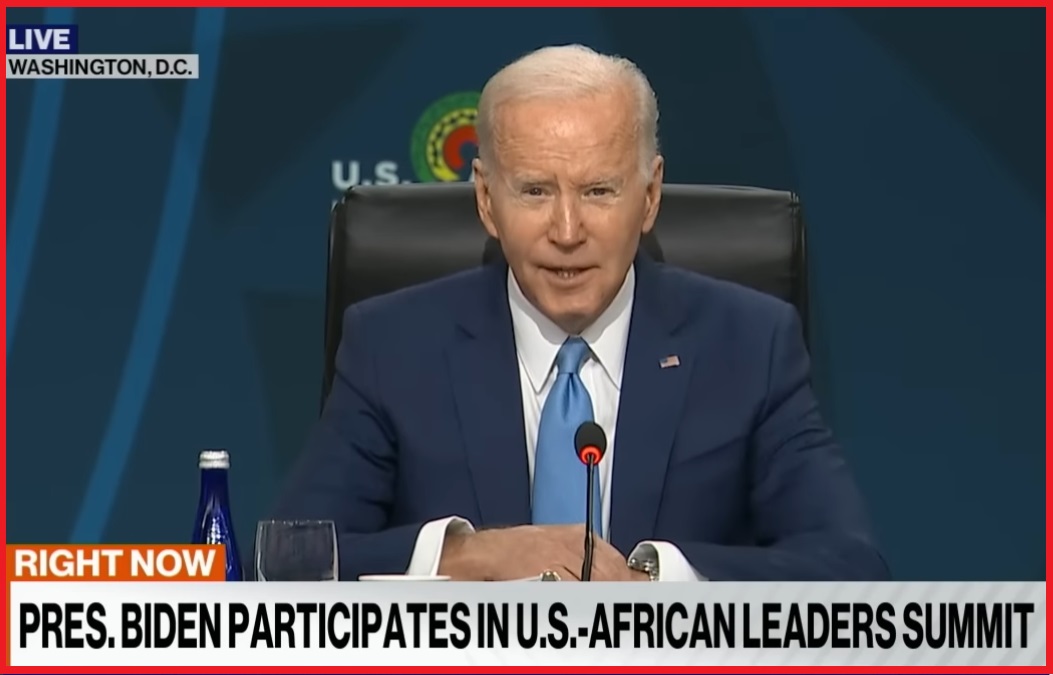
The energy development corporations, the source industry needed to create the components for nitrogen-based fertilizer, have been waiting to invest in African energy production pending the approval of western government decisions. Addressing the issue today, Joe Biden told the African Union the United States would send an emergency $2.5 billion in food crisis aid to offset the inability of Africa to feed itself.
In essence, instead of Western government policy supporting energy production in Africa that would lead to a greater farm yield, and by extension a greater level of food independence, the Biden administration would rather restrict energy/food development in Africa and send them food subsidies; because, climate change.
(White House) – […] President Biden announced an additional $2.5 billion in emergency aid and medium to long-term food security assistance for resilient African food systems and supply markets, which builds upon over $11 billion in U.S. humanitarian and food security assistance for this year alone. President Biden also launched a new strategic partnership on food security between the United States and the African Union.


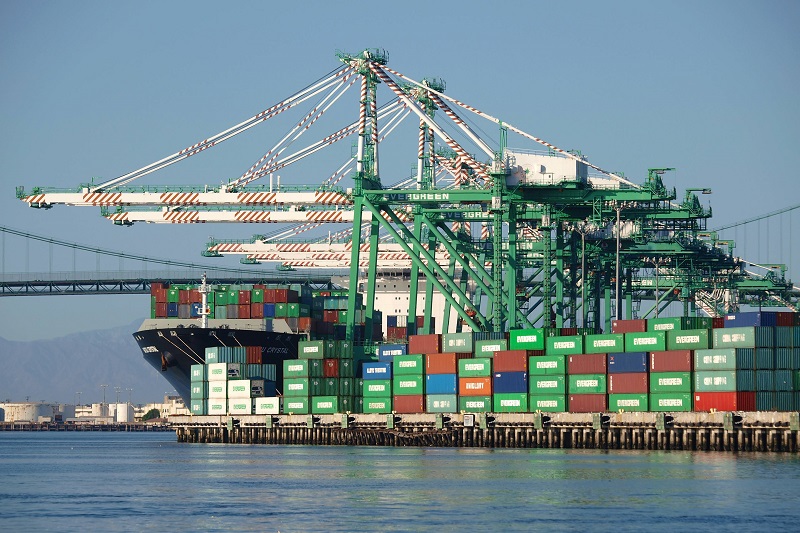 A single transpacific container shipment cost $19,000 in 2021, then $14,500 in 2022 as the intentional slowdown began. Now it’s only $3,900 as entire fleets of cargo shipments are cancelled due to lack of demand by U.S. purchasers.
 Ultimately, a carbon trading system has always been the holy grail of the people who run the western financial system and want to create mechanisms to control wealth by using the ‘climate change’ agenda.