The financial pundits are slowly starting to drop the pretending and discuss the bigger economic picture. However, as they tread very carefully, they are being very cautious about admitting too much.
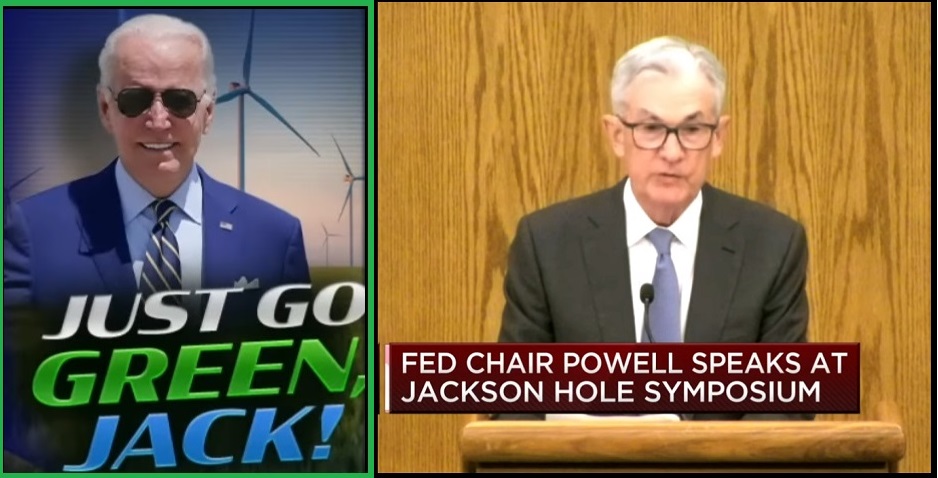 A Reuters discussion of the comments by Federal Reserve Chairman Jerome Powell, starts to dip the media toe in the painful pool; yet they will not admit the Biden energy program is the source of the inflation Powell is targeting with his policy moves to shrink energy demand. Thus, the pretending continues.
If you take the written words and extract the parseltongue, you can see a more fulsome picture of what is being outlined.
JACKSON HOLE, Wyo., Aug 29 (Reuters) – The message from the world’s top finance chiefs is loud and clear: rampant inflation is here to stay and taming it will take an extraordinary effort, most likely a recession with job losses and shockwaves through emerging markets.
That price is still worth paying, however. Central banks spent decades building their credibility on inflation fighting skills and losing this battle could shake the foundations of modern monetary policy.
In other words, the U.S. economy is based on core U.S. energy systems and moving that construct to alternative energy, windmills, electric vehicles and solar panels; along with getting Americans to accept a lowered standard of living; is an “extraordinary effort.”
 President Trump is funded primarily from massive amounts of small contributions from small donors, the MAGA base.
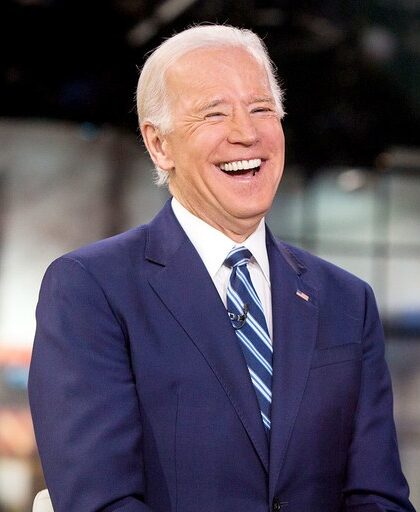 Additionally, Biden has extended the “COVID emergency payment moratorium” through the end of the year. No one with a federal student loan needs to restart paying until after the midterm election, in 2023. [
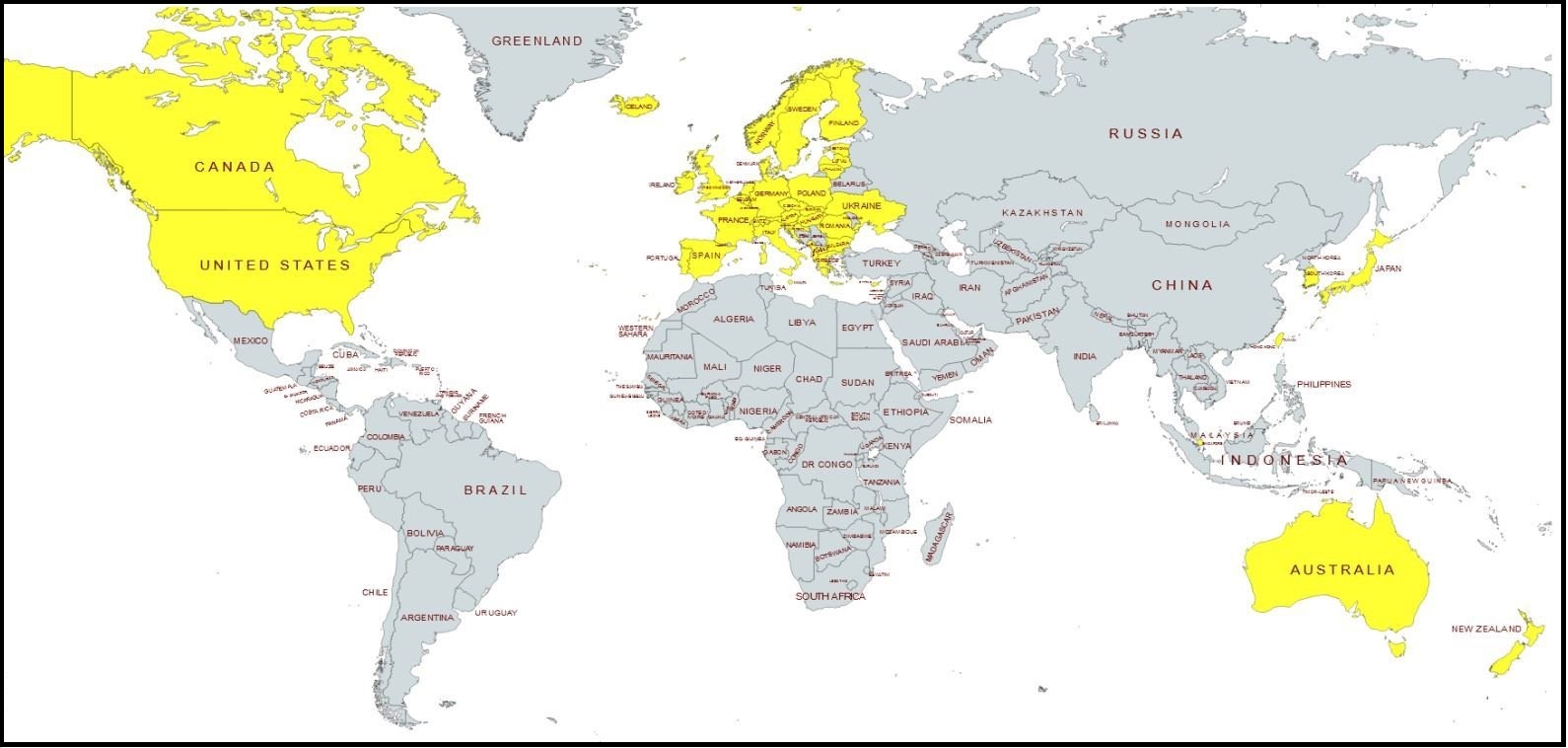
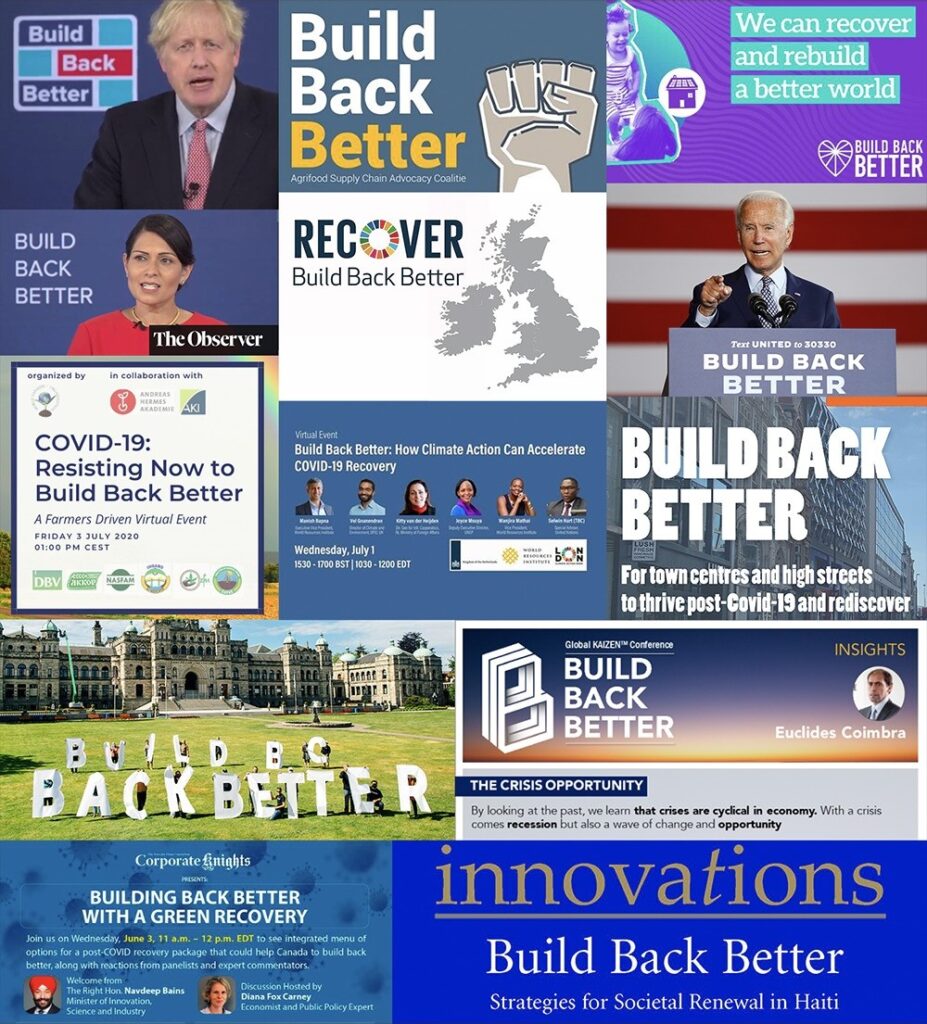 Western governments’, specifically western Europe, North America (U.S-Canada) and Australia/New Zealand, are intentionally trying to lower economic activity to meet the intentional drop in energy production.
 Few people are buying electronics, home goods, durables or clothing. Any retailer that specializes in the sale of non-essential items is going to feel the financial results of working-class families reprioritizing their spending. Checkbook economics is the economics that matters.
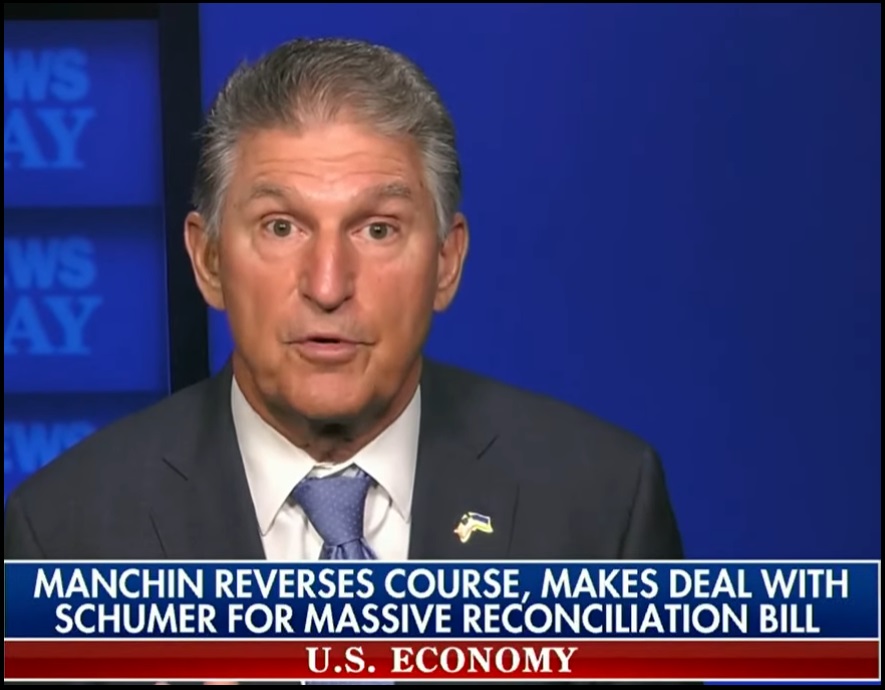 On July 31, According to Manchin