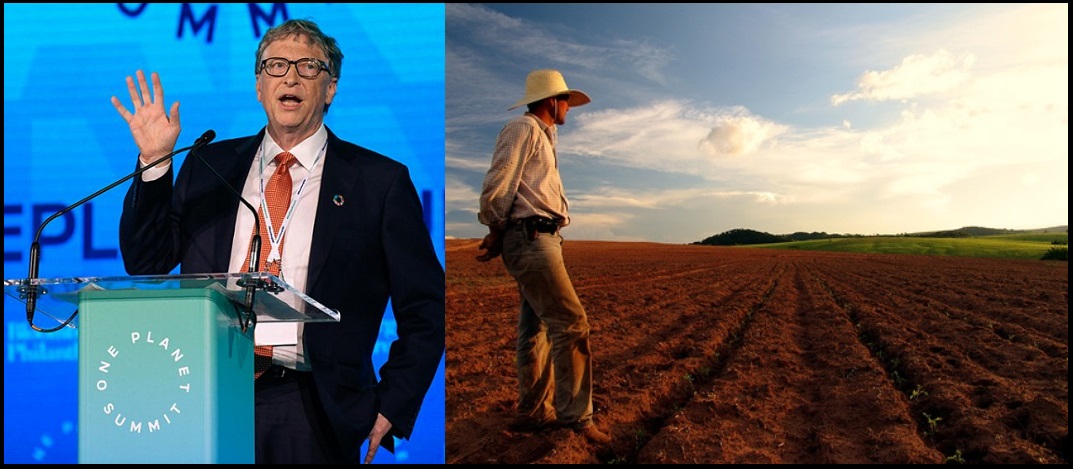
Step back for a minute and elevate the discussion to a bigger review. In the past several months every single institution of policy making has stated, many emphatically, that a looming global food crisis is imminent. No one is hedging on this point; everyone in the geopolitical system is in alignment saying there will be food shortages.
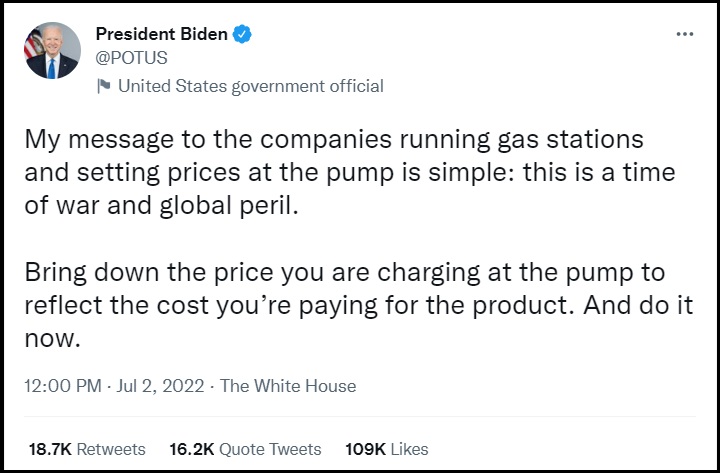
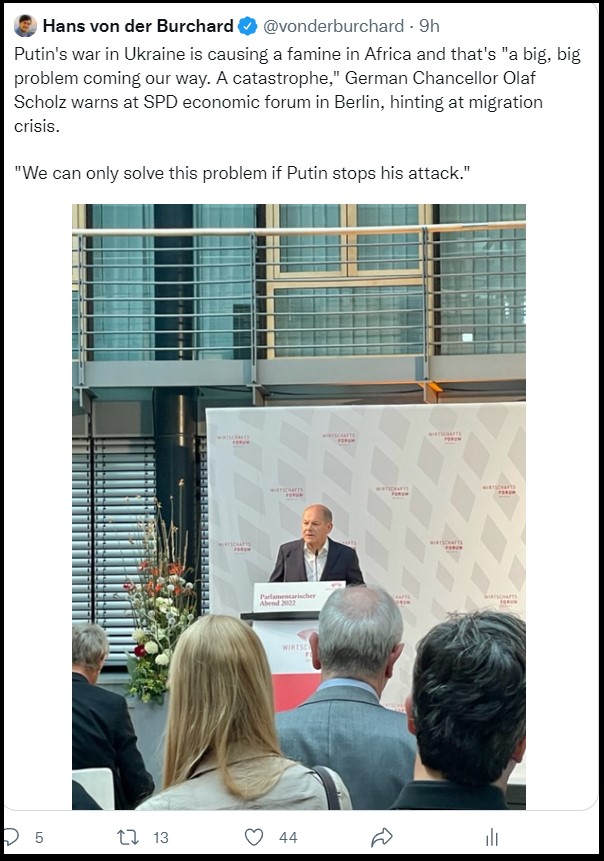 Joe Biden, NATO, the G7, the European Union, the World Bank, USAID, and every western leader in the United States and Europe has stated there will be food shortages.
They are not saying there might be shortages; their statements are emphatic, there will be shortages.
Accept this basic cornerstone. Then ask why not a single proactive step has been taken by any of the aforementioned institutions or governments to alleviate what they declare is a certainty. Why?
Simple question, “why?”
If all of the western nations, non-govt organizations and heads of state, are aware of a coming food crisis, why is there no proactive response?
It is a question that even the most hardcore leftists will not answer, because there is only one answer. No action is being taken because they do not want to take action. No effort to avoid the crisis is being done, because they do not want the crisis avoided.
Peel all the layers of obfuscation and causation away, and what we find is the epicenter of the food shortage is directly the result of the Build Back Better agenda. A post-pandemic western government deliberate decision to radically change global energy development. In succinct terms, the climate change agenda.
However, regardless of how you feel about the validity of “climate change,” the cause of diminished food supplies is purposeful. It is not climate change causing food shortages. It is the purposeful action taken under the guise of mitigating climate change that is causing the shortage of food.
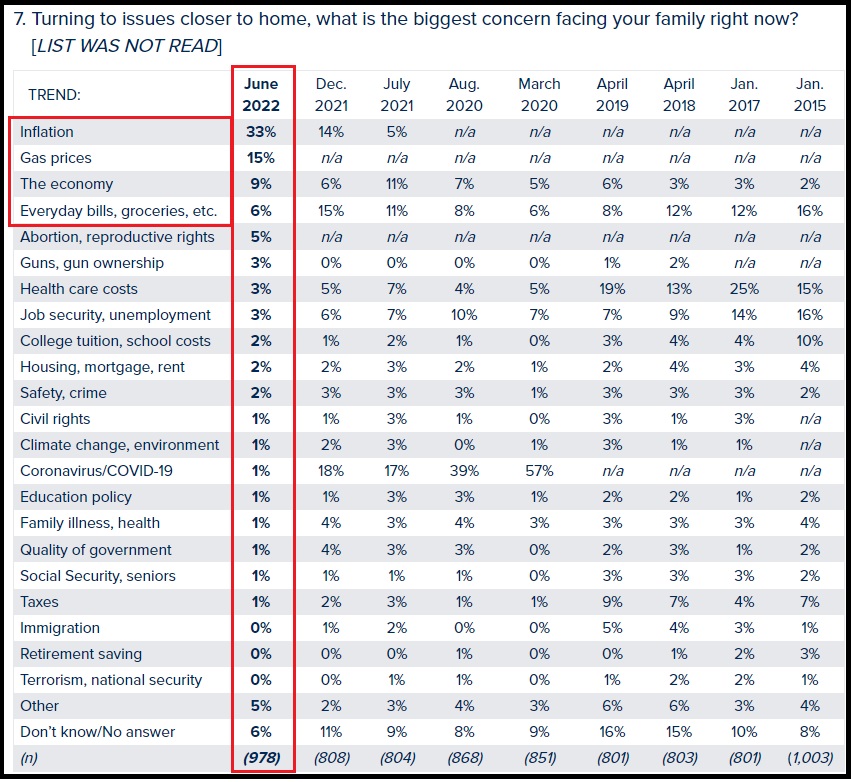
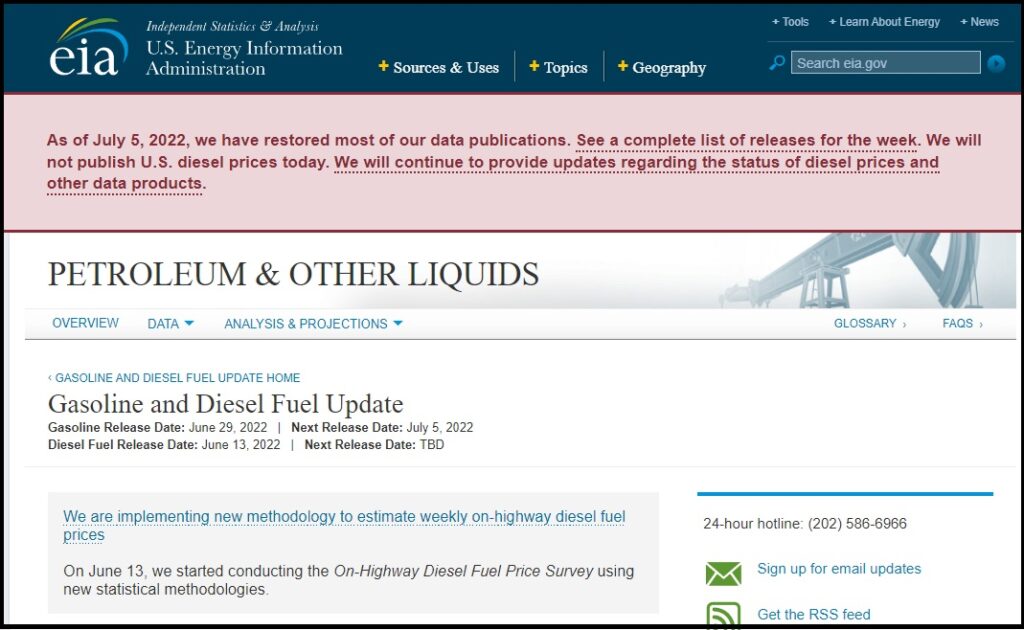
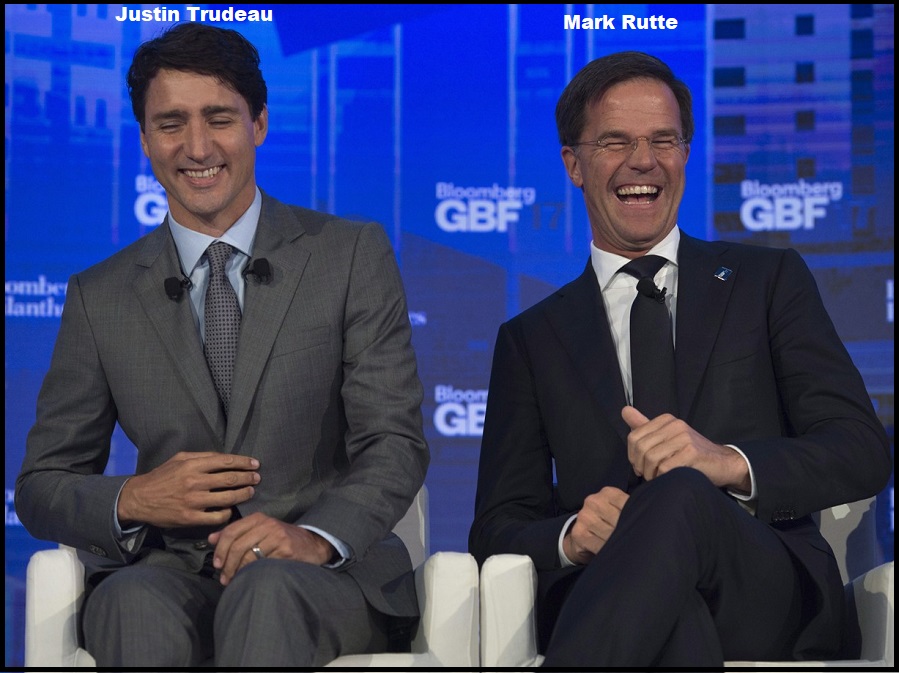 The government in the Netherlands is taking a playbook directly from Canada. Keep in mind that Canadian Prime Minister Justin Trudeau and Dutch Prime Minister Mark Rutte are two top-tier government influencers of the World Economic Forum, Davos crowd.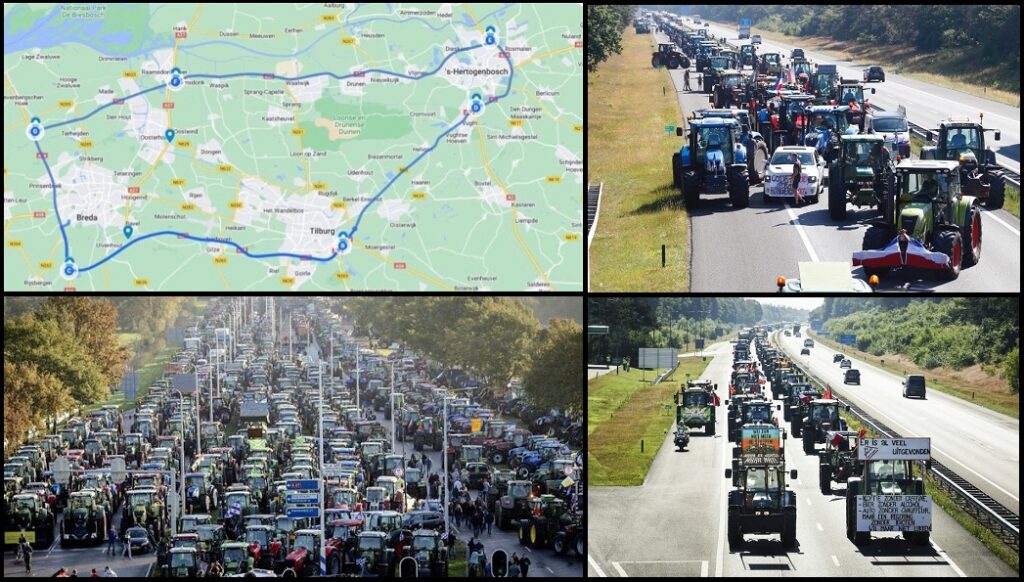
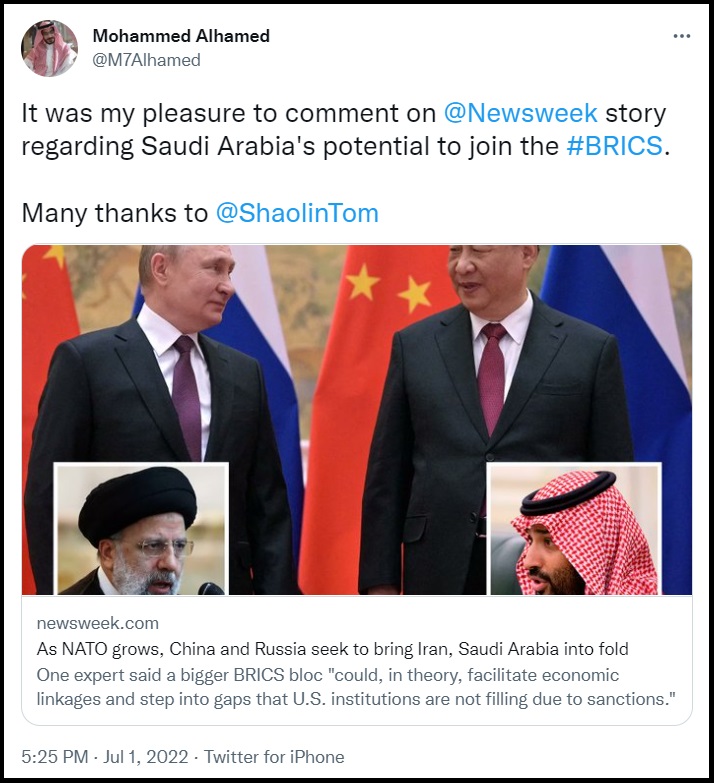 We have been closely monitoring the signs of a global cleaving around the energy sector taking place. Essentially, western governments’ following the “Build Back Better” climate change agenda which stops using coal, oil and gas to power their economic engine, while the rest of the growing economic world continues using the more efficient and traditional forms of energy to power their economies.