The Canadian ‘Freedom Convoy’ of truckers, pushing back against COVID mandates and forced vaccinations, began late last week and has gained massive support from the public. The fundraiser for the effort now exceeds $3.3 million dollars and climbing.
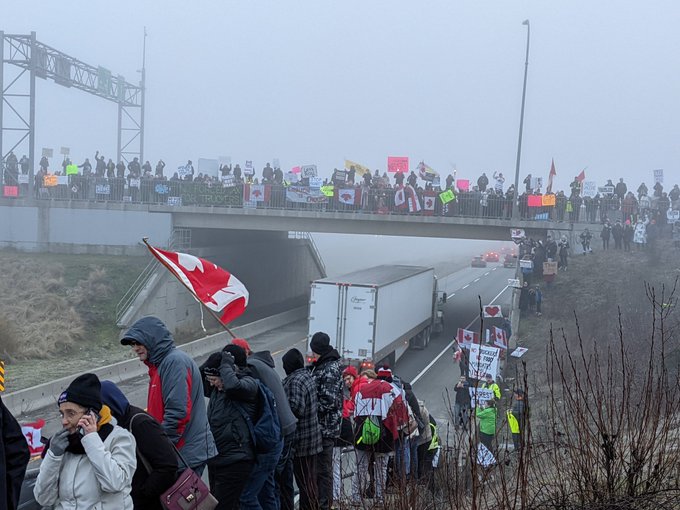 Rebel News and other alternative media outlets have joined the convoy [LINK HERE], which not only includes big rig truckers but massive numbers of regular Canadian citizens who are joining the convoy as they head to Ottawa for an arrival date of January 29th.
It is difficult to estimate the scale of the groups as they are coming from multiple directions.
The truck convoys started from British Columbia in the west, Newfoundland in the east, and Windsor, Ontario in the south.
However, cars, SUV’s, vans, and small commercial trucks are now included in the massive convoy lines and joined with the big rigs.
Along the routes people are gathered at intersections and highway overpasses to cheer on the effort. The scale of growth amid this grassroots movement is really quite remarkable. For the people of Canada, millions have latched on to this protest as an opportunity to tell the government and public officials that enough is enough.
As noted by Rebel News: ” The nationwide movement is being launched in protest of a federal vaccine mandate that came into effect January 15, requiring all commercial truck drivers crossing into Canada to be fully vaccinated for COVID-19. The federal vaccine mandate for truckers has already caused significant supply chain chaos, with delays and shortages affecting many regions across the country. The mandate could result in a loss of 12,000 to 16,000 cross-border commercial drivers, according to the Canadian Trucking Alliance.”
(more…)
Posted in Big Government,
Big Stupid Government,
Canada,
Coronavirus,
Economy,
media bias,
Medical Tyranny,
Patriotism,
Transportation,
Uncategorized,
Vaccine Mandate
 The FDA gave no advanced notice of their arbitrary decision; they just
 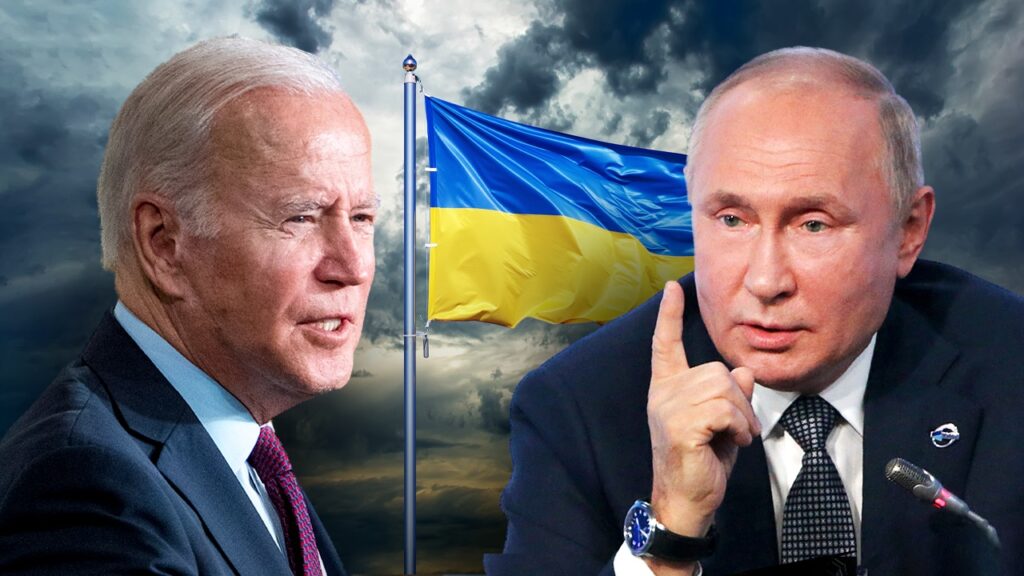 It is the Obama-Biden foreign policy team that is creating anxiety over the potential for Russia to enter Ukraine, not our NATO allies. If we end up in a conflict in Ukraine, it will be because the professional political class in Washington DC want us to be in a conflict in Ukraine, not the American people.
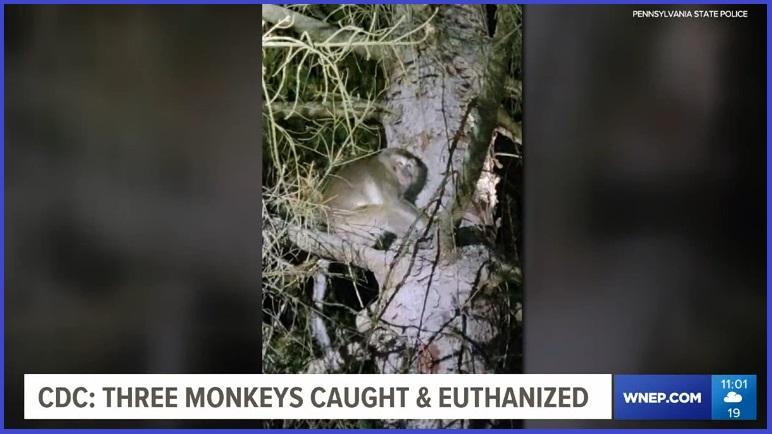 This little detail from the local reporting is hopefully routine: