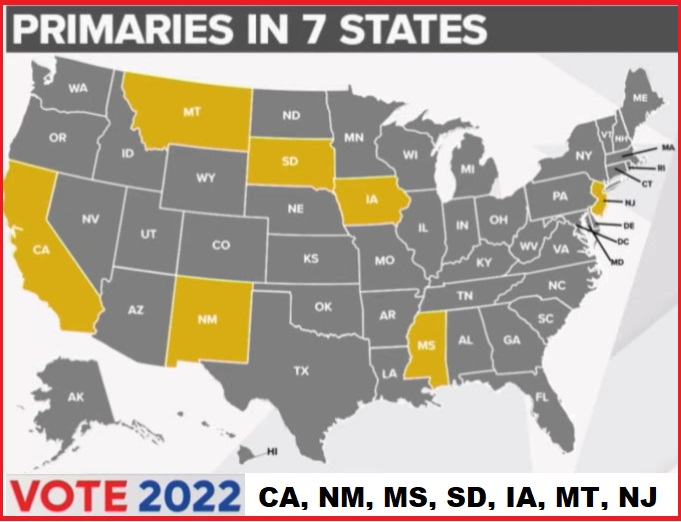
Thanks to a DHS whistleblower who has come forward to Senators Josh Hawley and Chuck Grassley, we are now seeing the direct evidence of how the Fourth Branch of Government, specifically the Dept of Homeland Security, were planning to take control over public discussion on Big Tech platforms. [Whistleblower Evidence HERE]
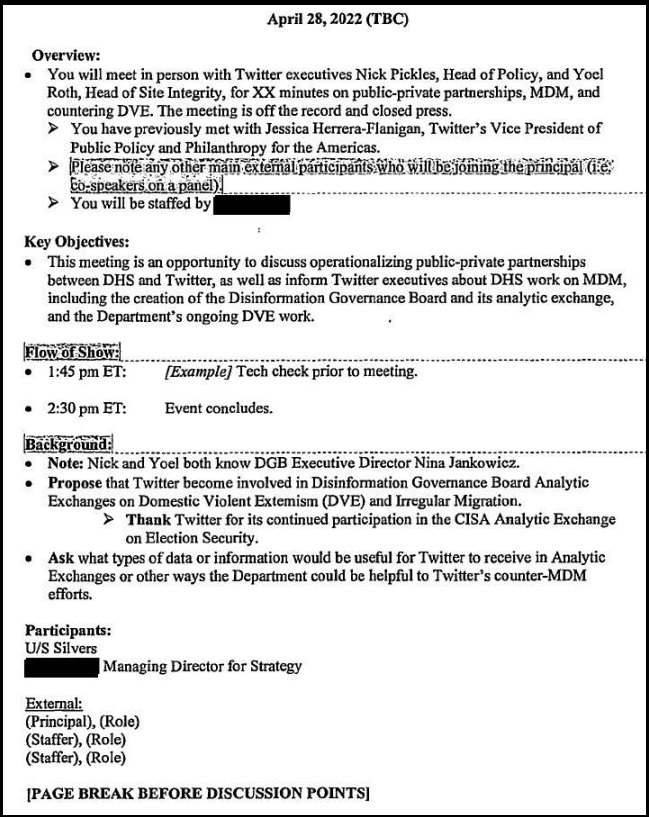
Previously the Cybersecurity and Infrastructure Security Agency (CISA) announced a new Dept of Homeland Security priority to combat disinformation {LINK} on technology platforms including social media.
Many eyebrows were raised as the original CISA announcement appeared to be an open admission that the U.S. government was going to control information by applying labels, that would align with allies in social media, who need a legal justification for censorship and content removal. The whistleblower leak confirms exactly that.
This CISA announcement was quickly followed by various government officials and agencies saying it was critical to combat Russian disinformation, as the events in Ukraine unfolded. In essence, Ukraine was the justification for search engines like Google, DuckDuckGo, and social media platforms like Twitter, Facebook, Instagram and YouTube to begin targeting information and content that did not align with the official U.S. government narrative.

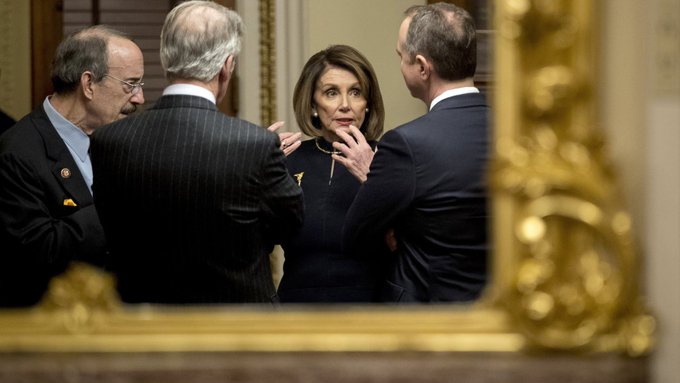 A previous senate bill that would have afforded security details to Supreme Court Justices, is now stalled in the House of Representatives as Nancy Pelosi and top Democrat politicians add an additional set of people who should gain the full benefit of taxpayer funded security details.
 Brazilian President Jair Bolsonaro wasn’t just throwing shade at the 2020 election outcome for Joe Biden, Bolsonaro seemingly ponders the question about how many western leaders might be the result of WEF manipulated elections. All things considered; it is a valid question.