Deep inside the legislative language of the falsely titled “inflation reduction act”, aka The Green New Deal legislative vehicle constructed by lobbyists and passed by congress, people are now starting to realize a carbon-trading system was created.
 Ultimately, a carbon trading system has always been the holy grail of the people who run the western financial system and want to create mechanisms to control wealth by using the ‘climate change’ agenda.
A carbon trading system is a very lucrative financial transfer mechanism with a potential scale to dwarf the derivative, Wall Street betting, market. Secondarily, such a market would cement the climate change energy policy making it very difficult to reverse. The new creation as explained by the Wall Street Journal, holds similarities to the EPA ethanol program.
BACKGROUND – The Renewable Fuel Standard (RFS) is a government mandate, passed in 2005 and expanded in 2007, that requires growing volumes of biofuels to be blended into U.S. transportation fuels like gasoline and diesel every year. Approximately 40 percent of corn grown in the U.S. is used for ethanol. Raising the amount of ethanol required in gasoline will result in the need for more biofuel (corn).
The EPA enforces the biofuel standard by requiring refineries to submit purchase credits (known as Renewable Identification Numbers, or RINs) to the Environmental Protection Agency (EPA) proving the purchases. This enforcement requirement sets up a system where the RIN credits are bought and sold by small refineries who do not have the infrastructure to do the blending process. They purchase second-hand RIN credits from parties that blended or imported biofuels directly. This sets up a secondary income stream, a trading market for the larger oil companies, refineries and importers.
 As the results of last weekend’s election are finally tabulated, the anti-globalist parties in Sweden have surged to victory. With all of the consequences from globalist policies creating havoc in the country, the political dynamic in Sweden has now flipped.
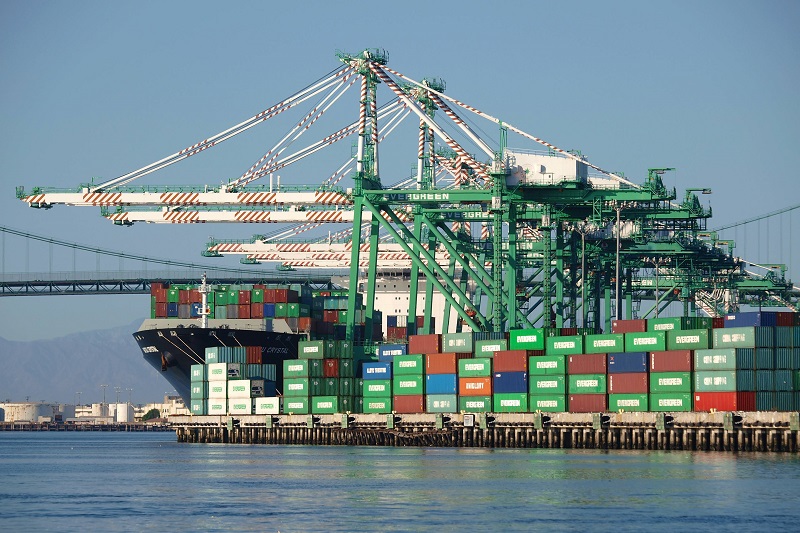 Maersk is the international shipping company that delivers millions of containers of goods all around the world, mostly by ship. They are warning that warehouses are full of previously delivered goods, unsold consumer durable goods, as retail sales have come to a standstill.

 While the individual amounts of government COVID-19 spending amid the U.S, U.K. and Europe were different, the percentage of that spending in relationship to the size of their economy was very similar. As a result, the global inflation rates contain strong parallels.