President Trump and Commerce Secretary Wilbur Ross both raised serious concerns about the malign intents of Chinese nationals involved in the efforts of Huawei Telecommunications to infiltrate U.S. communication networks.
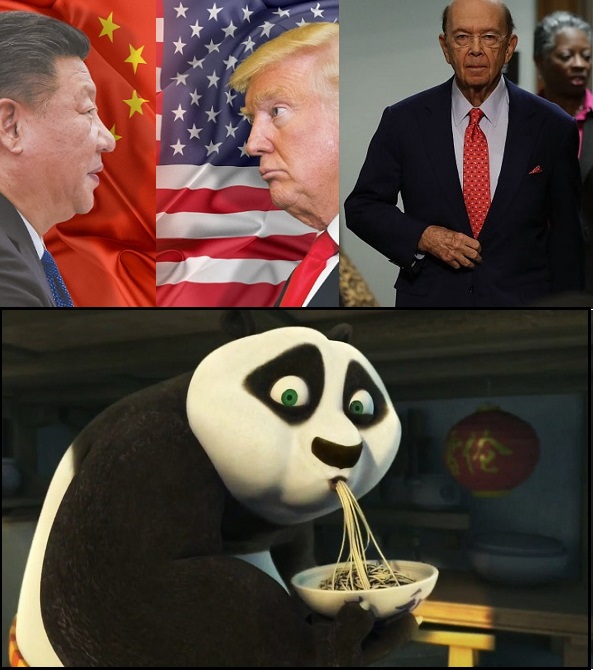 The Trump administration tried to block Huawei from involvement in the 5G telecommunications system in the United States claiming there were national security interests that could be compromised.
However, Washington DC politicians, and Canadian Prime Minister Justin Trudeau, both of whom were recipients of Chinese donations, defended the expansion efforts of Huawei and accused the Trump administration of “Asian hate.”
In the background, to reinforce a false political narrative surrounding the Asian hate theme, in 2021 the Biden administration removed the China initiative, an investigation of PRC influence in U.S. institutional systems, from the focus of the U.S. justice system.
Yet today, the Biden administration announced the arrest of two Chinese nationals, and the indictment of 11 more, for exactly what the Trump administration had feared:
(DOJ) In three separate cases in the U.S. Attorneys’ Offices for the Eastern District of New York and the District of New Jersey, the Justice Department has charged 13 individuals, including members of the People’s Republic of China (PRC) security and intelligence apparatus and their agents, for alleged efforts to unlawfully exert influence in the United States for the benefit of the government of the [People’s Republic of China] PRC. (more)
Court documents did not name the company; however, Reuters identifies the company as… wait for it…. Huawei:
(more…)
Posted in Big Government,
Big Stupid Government,
China,
Communist,
Conspiracy ?,
Decepticons,
Deep State,
Dem Hypocrisy,
Dept Of Justice,
Donald Trump,
Election 2022,
Election 2024,
Joe Biden,
media bias,
Notorious Liars,
President Trump,
Spying,
Uncategorized


 The merger would consolidate the second and third largest food retailers in the U.S. and would certainly dilute the competitive dynamic amid the supermarket industry. Concern over price controls and decreased competition has now arrived on the desks of DC legislators who are reviewing the deal.