[REPOST by request with note: We will get the December data in about a week from now]
You might remember: October 13, 2021, Joe Biden delivered widely carried remarks about specific actions his administration was taking to increase operations at the Port of Los Angeles (POLA) and the Port of Long Beach (POLB).
 Here we take a closer look at the claims since the original announcement, and then highlight the actual results from the ports. The port operations are actually doing worse today than they were in October. They are less efficient, less productive and have handled less freight in November than they did in October. The factual results are exactly the opposite of the administration claims.
The October 13, 2021, White House fact sheet is HERE, “announcing a series of public and private commitments to move more goods faster, and strengthen the resiliency of our supply chains, by moving towards 24/7 operations at the Ports of Los Angeles and Long Beach.” On November 17, 2021, the White House gave an update, “Recent Progress at Our Ports: Moving Cargo and Filling Shelves” and claiming the increased hours of operations were delivering on the White House expectations of increased productivity and offloading capacity.
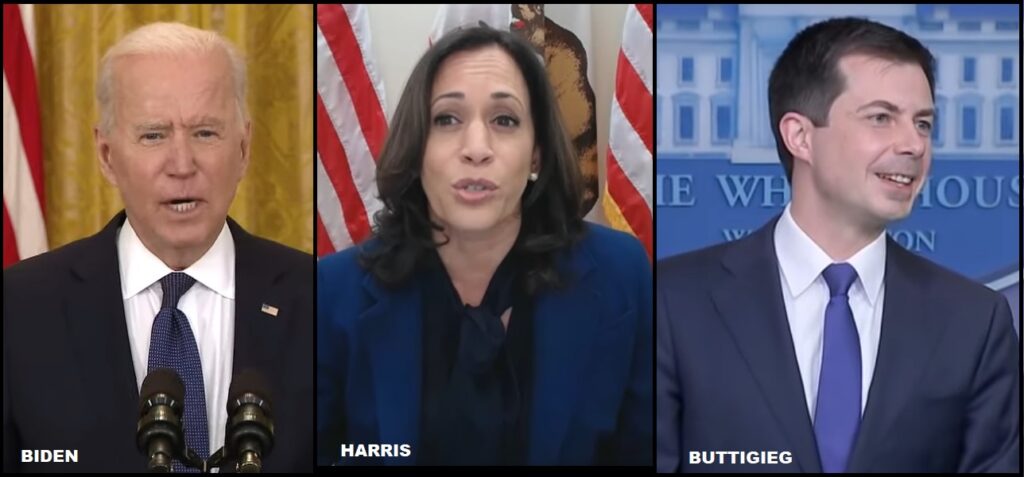
Throughout these past 11 weeks, Joe Biden, Kamala Harris and Transportation secretary Pete Buttigieg have been claiming their supply chain task force has been successful in generating exceptional results. They claimed changing the hours of operations increased the port capacity, specifically targeting the ports of Los Angeles and Long Beach. However, if we look at the actual records from both ports, we find exactly the opposite:
(more…)