For those not paying close attention, the G7 is in serious trouble right now. The G7 includes the United States, the United Kingdom, Canada, France, Italy, Japan and Germany. The EU and Japan are on the verge of a central bank financial crisis. Germany is the heart of the EU and their economy is FUBAR as a result of sanctions against Russia, their energy dependence and an internal inflation rate exceeding 30%.
The G7 spending response to the COVID pandemic, a collective decision outlined by the World Economic Forum and central bank organizers, has created a massive inflation crisis amid all attached economies. Making matters worse the Build Back Better agenda promoting climate friendly energy policy over fossil fuels is pouring gasoline on the raging inferno of economic disruption.
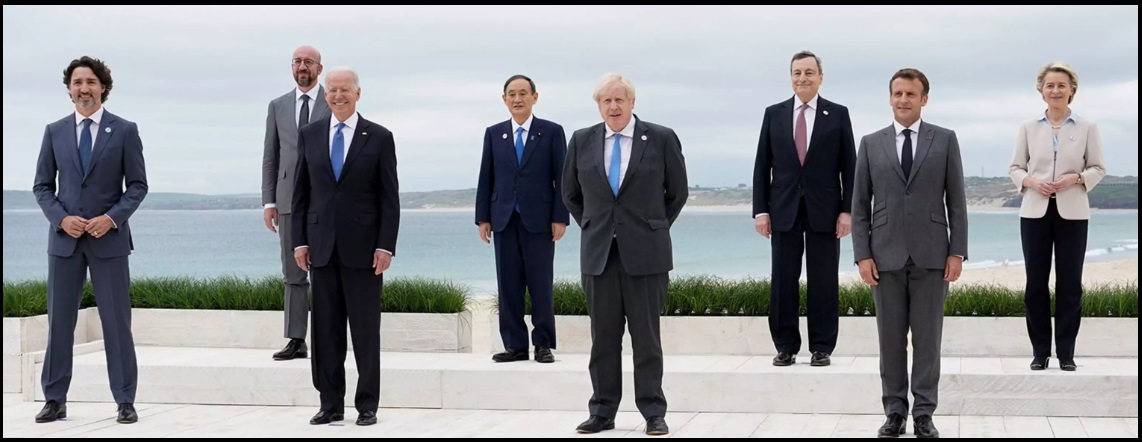
The EU and Japanese central banks are tenuous at best, and the U.S. has seemingly positioned Europe and Asia for even further economic pain as a result of sanctions against Russia (EU) and a contracting U.S. economy impacting Asia. The intentional global cleaving is not working out too well as the G7 leaders assemble for their summit in the Bavarian Alps. This is the backdrop for German Chancellor Olaf Scholz. In essence, the G7 climate policy cannot be sustained simultaneously with the German economy surviving:
GERMANY – German Chancellor Olaf Scholz has said he wants to put soaring inflation, the energy crisis and climate change at the center of the agenda when he meets fellow G7 leaders at Schloss Elmau in the Bavarian Alps.
Germany, which holds this year’s G7 rotating presidency, is hosting the gathering of the heads of state and government of the world’s seven leading industrialized nations from Sunday through Tuesday.
 As we have discussed at length, consumer spending patterns shifted radically in the last year.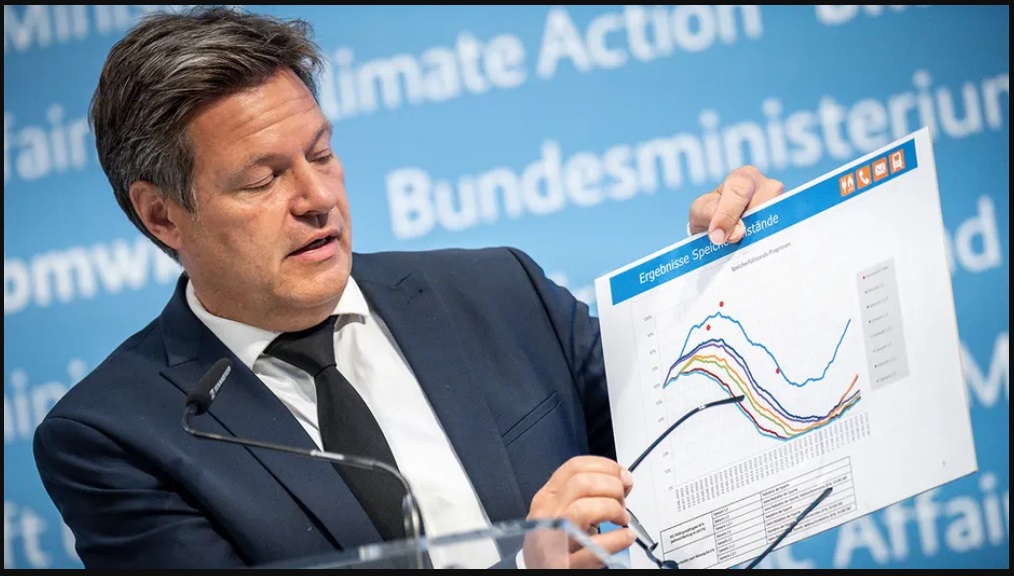

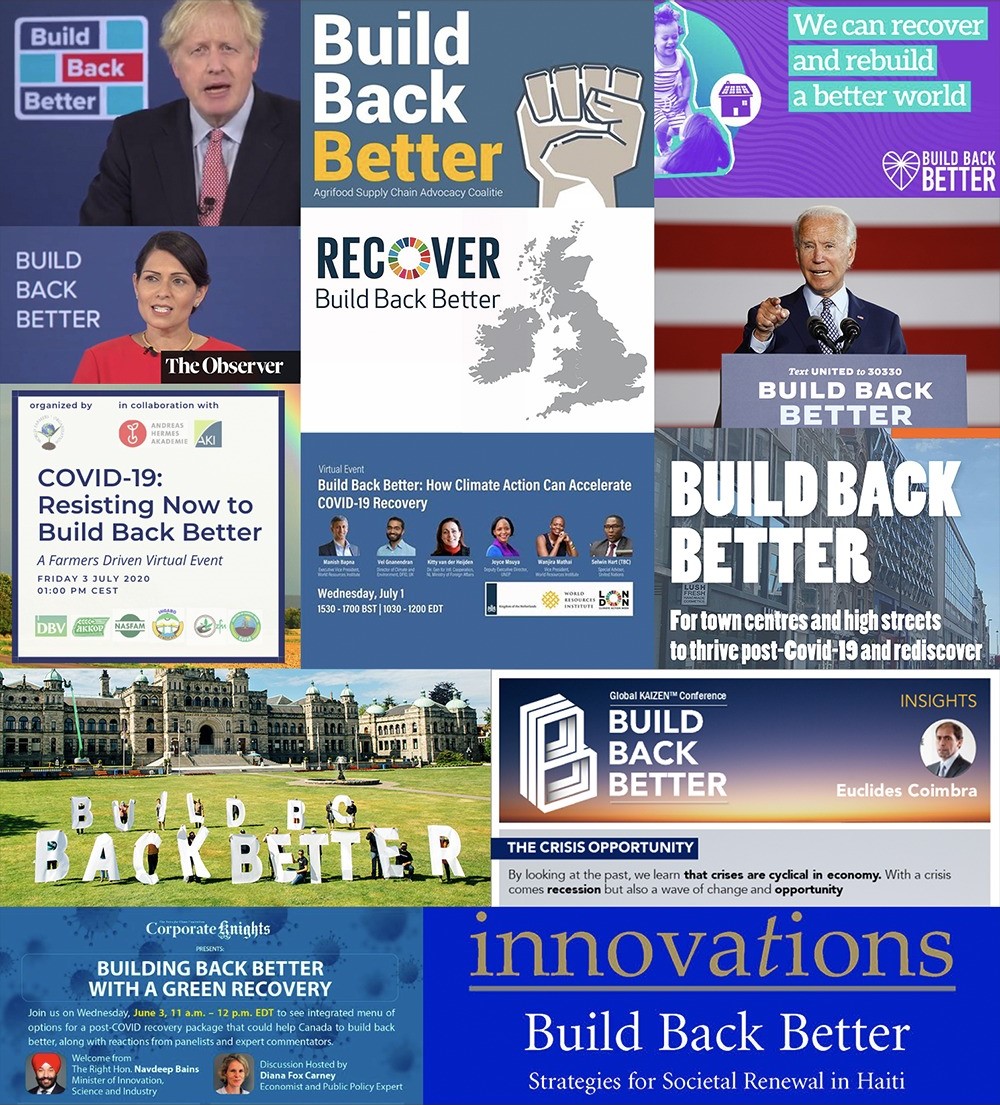 The plan -as outlined publicly, was for government leaders to lockdown the economic activity (supply side), then spend to subsidize and fill the losses in economic activity (demand side), then reopen the economies using the Build Back Better agenda as a reset moving the underlying energy economy away from fossil fuels.