 Most of the base GOP voters now realize this 2022 primary season is as important to the 2022 outcome as the November election. However, as we have noted in the two-club system, the republican club leadership are using their familiar playbook. Here’s the situation with the Ohio governor’s race.
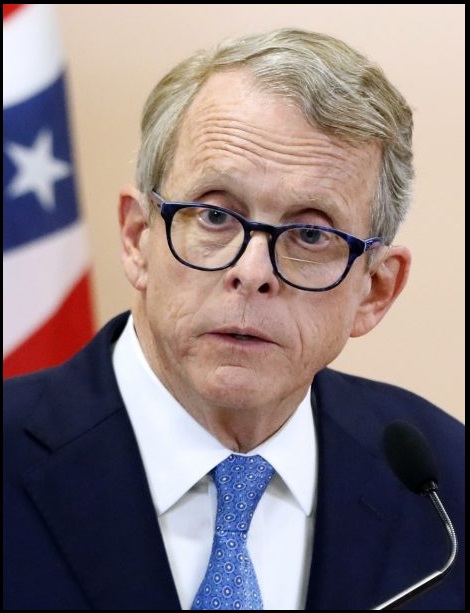
Ohio Governor Mike DeWine (pictured left) shut down businesses his state during COVID and was generally one of the worst “republican” governors in the country during the covid-19 fiasco. DeWine is a typical party/club insider, a left-leaning, ultra-sensitive, spineless worm who operates, like many politicians, as a republican in name only.
Ohio conservatives want to get rid of DeWine, but the club rules are designed to protect him. The GOPe has a perfectly executed splitter strategy in place in Ohio to protect DeWine, as you can see from the latest Republican polling:
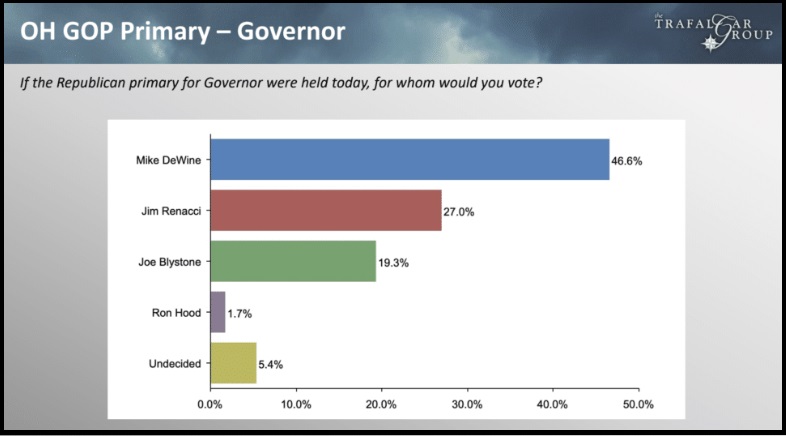
DeWine has less than 50% support amid the republican voters in Ohio. However, challengers Jim Renacci and Joe Blystone are splitting the anti-DeWine vote, creating a scenario where DeWine is likely to win the primary with less than majority republican support. [Note; there is no runoff in Ohio, whoever gets the most votes wins the primary.]
(more…)
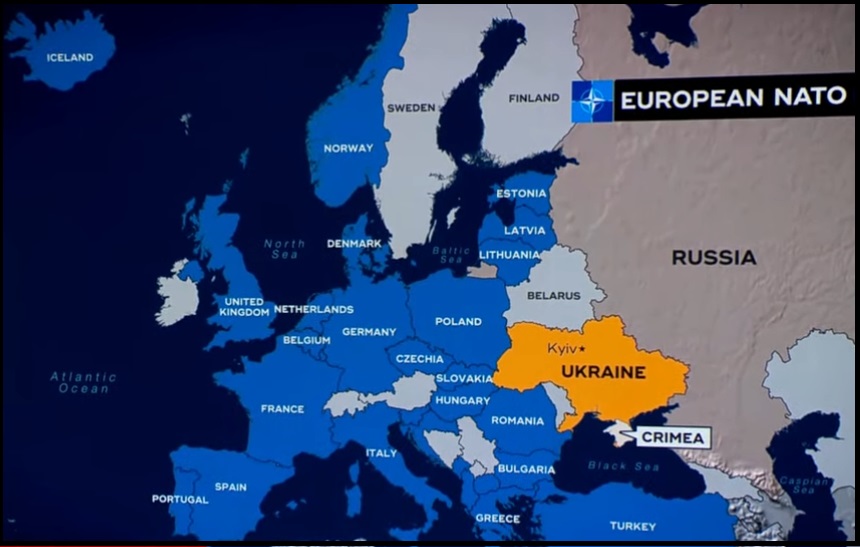
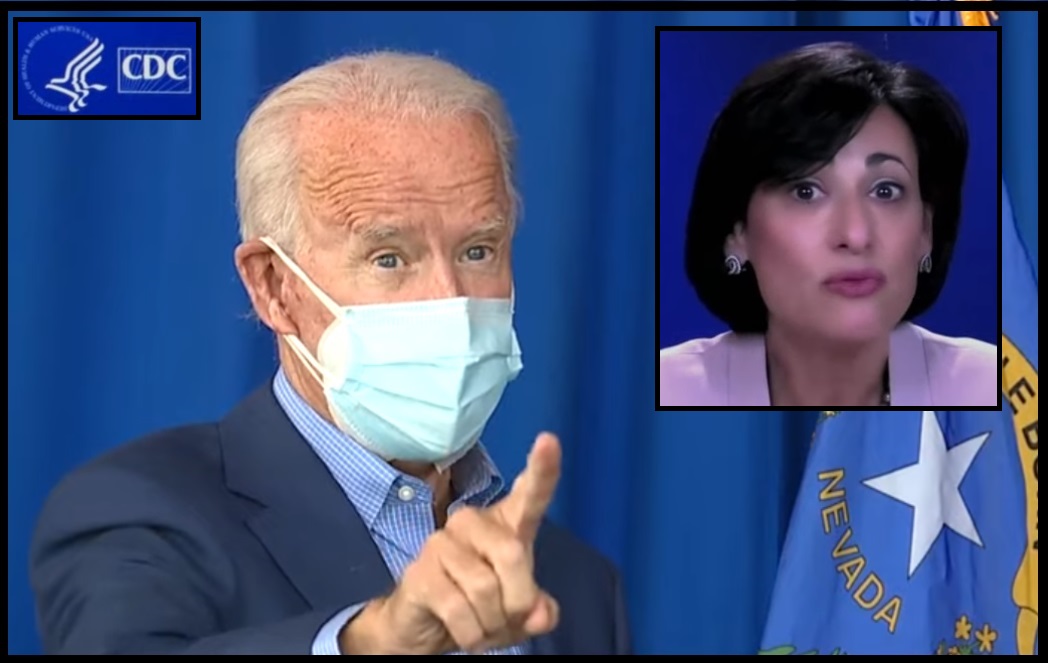 Today, the CDC has announced a semi-permanent extension of the federal transportation mask mandate with no expiration date noted. [
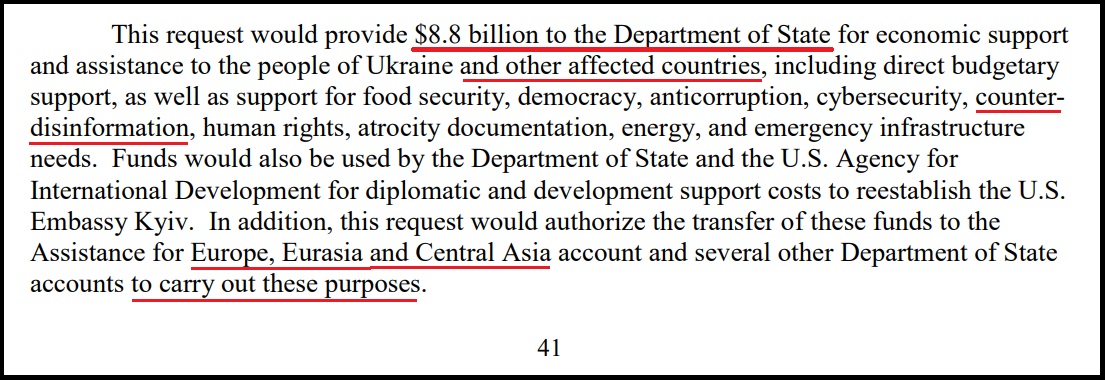
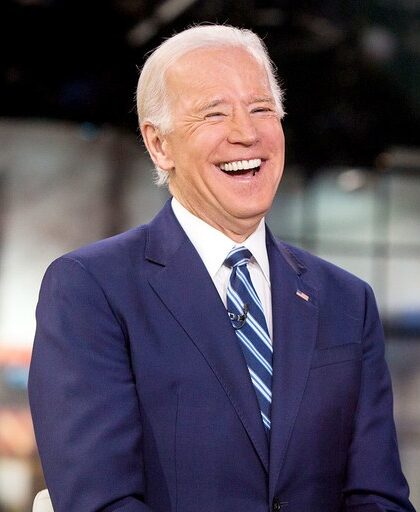 The details of the Joe Biden $33 billion supplemental budget allocation have been released. I would strongly urge everyone to read the proposal which now heads to congress for passage {