This is layers of odd. As many readers are aware, the prices of fertilizer have skyrocketed as supplies have been heavily impacted by increased energy costs and supply chain issues. Many people have worried if a shortage of fertilizer may impact farm yields this year.
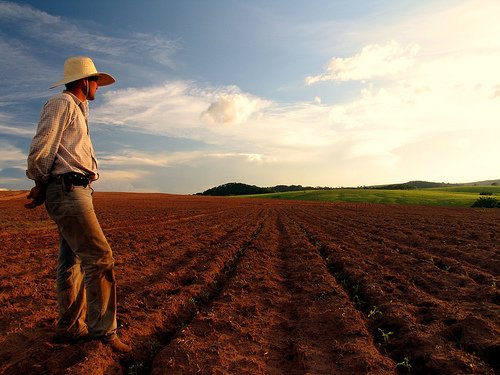 Against this backdrop CF Industries, one of the world’s largest manufacturers of hydrogen and nitrogen fertilizer, is warning its customers that Union Pacific Railway Lines is now restricting the amount of container tonnage they will permit. [Press Release Here]
CF Industries Holdings, Inc. (NYSE: CF), a leading global manufacturer of hydrogen and nitrogen products, today informed customers it serves by Union Pacific rail lines that railroad-mandated shipping reductions would result in nitrogen fertilizer shipment delays during the spring application season and that it would be unable to accept new rail sales involving Union Pacific for the foreseeable future. The Company understands that it is one of only 30 companies to face these restrictions.
CF Industries ships to customers via Union Pacific rail lines primarily from its Donaldsonville Complex in Louisiana and its Port Neal Complex in Iowa. The rail lines serve key agricultural areas such as Iowa, Illinois, Kansas, Nebraska, Texas and California.
 Thanks to a more detailed filing by John Durham last night {

 The speech is quite jaw-dropping when you consider the nature of her position, and the fact that she is an unelected bureaucrat within government.