Remember that fourth quarter GDP result that seemed manipulated? Well, I suspect the record setting trade deficit now being reported for January is an outcome of those pesky fourth quarter trade results being intentionally skewed by the withholding of December 2021 import data.
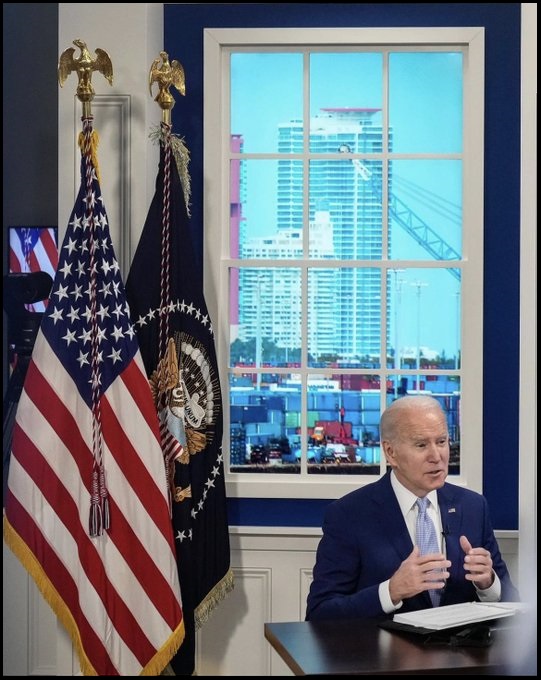 Additionally, methinks we are likely to get some increased economic clarity about why the White House needed Ukraine to become the big shiny thing with such urgency.
Just like everything else, geopolitical dynamics –especially those surrounding entrenched ideology– are always about the economics. Someone, eventually, always has to pay. Follow the money; there are trillions at stake.
First, keep in mind that missing Port of Los Angeles result from December as you review the import/export details:
(REUTERS) […] The goods trade deficit jumped 7.1% to an all-time high of $107.6 billion last month. Imports of goods increased 1.7%, led by food and motor vehicles. There were also large increases in imports of industrial supplies, capital and consumer goods. Imports of other goods, however, tumbled 15.3%.
Exports dropped 1.8%, weighed down by consumer goods, motor vehicles, food and other goods. But exports of capital goods and industrial supplies increased. Trade has been a drag on gross domestic product for six straight quarters. (read more)
That missing Port of LA December import data, now being introduced into the month of January, might just be the cause of the “all time high” noted above. I will bet one sustainable rice cake on it.
Next up, inflation.

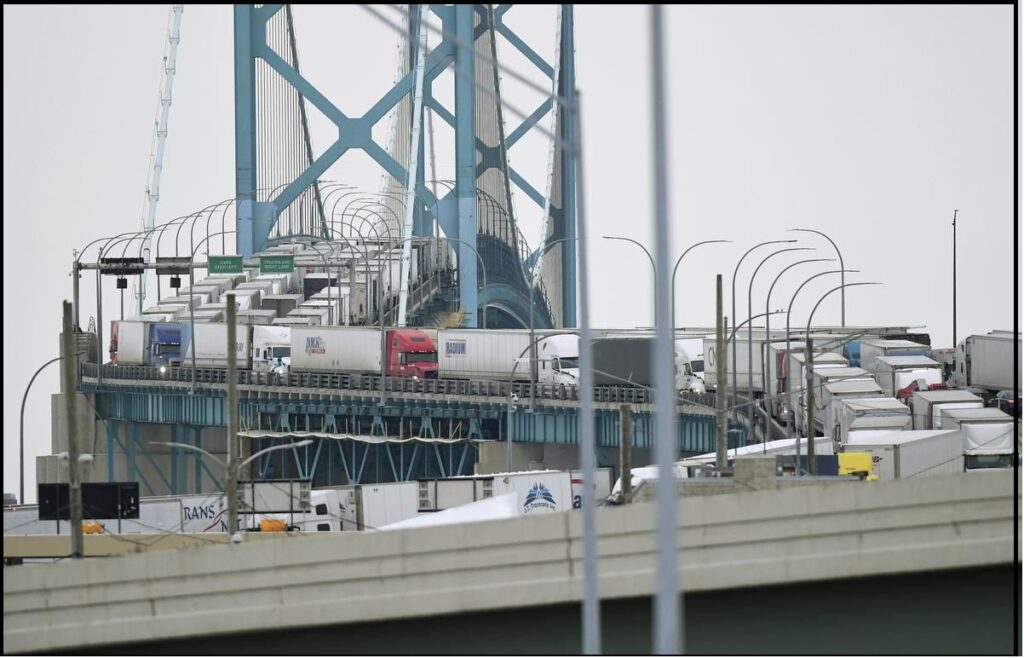 However, after 12 days of pressure – and a typical Alinsky response from Canadian Prime Minister Justin Trudeau – things are beginning to escalate. Now, in Windsor, Ontario, the Ambassador Bridge to Detroit – the busiest land crossing on the U.S-Canada border, has been effectively blocked.
 It is entirely possible, I would say absolutely guaranteed, that prices will increase even more this year as inflation begins to drop. This will be the economic story on the backside of the inflation hurricane as the Fed starts to increase interest rates. Example: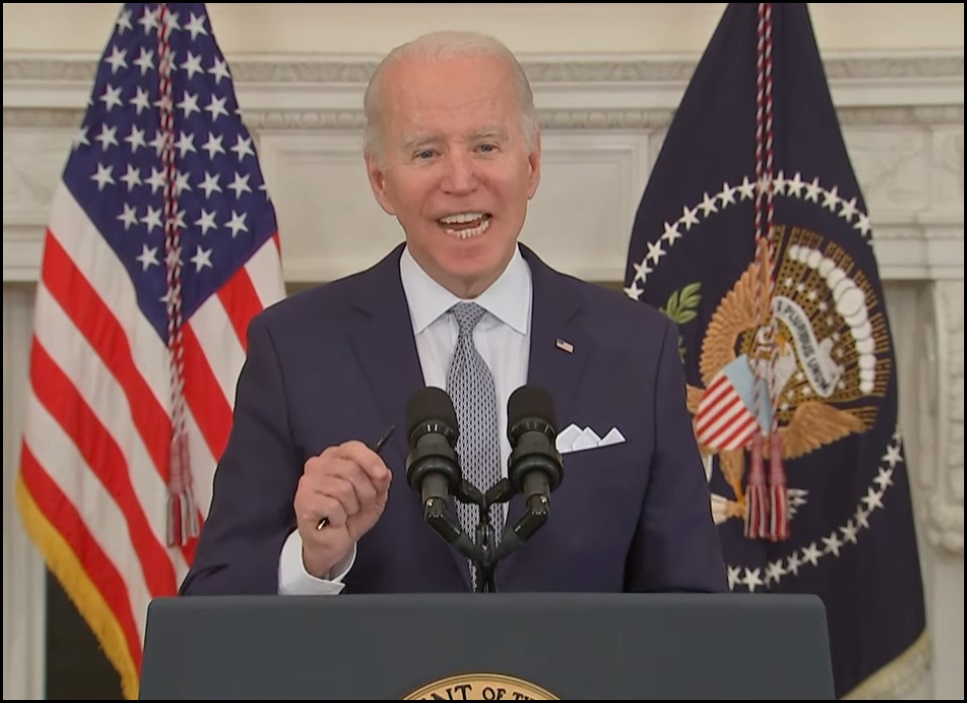
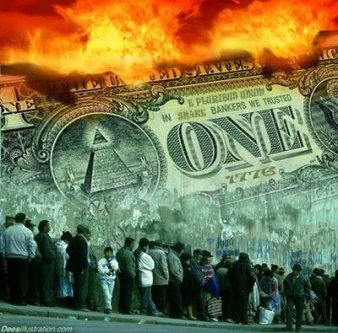
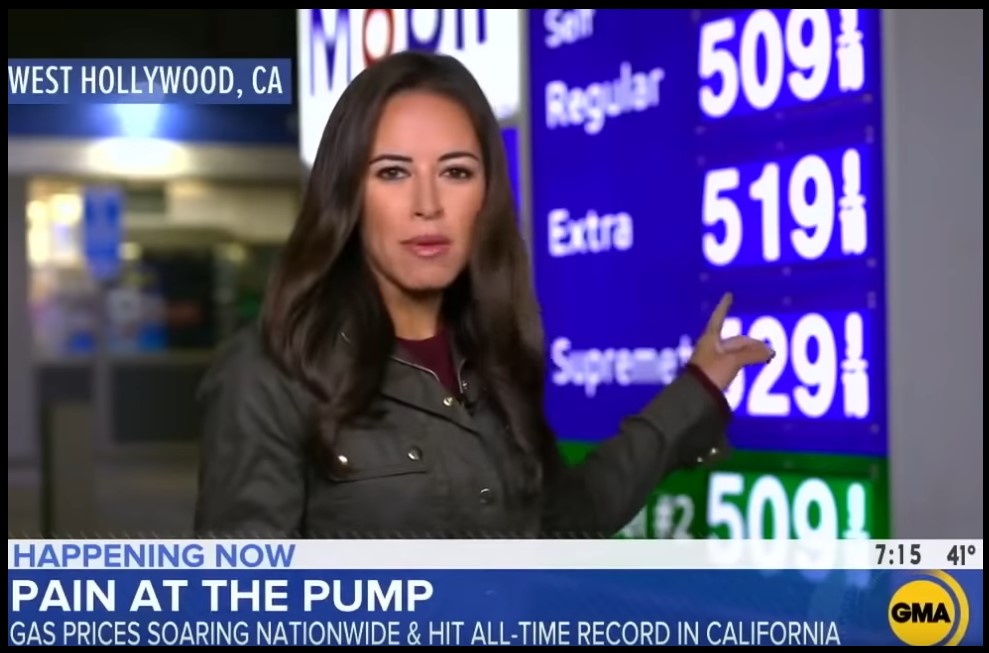 As the Obama-Biden administration previously said when they achieved their last historic increase in gas prices, “U.S. energy prices will necessarily skyrocket“, in order to achieve their ideological climate change objectives.