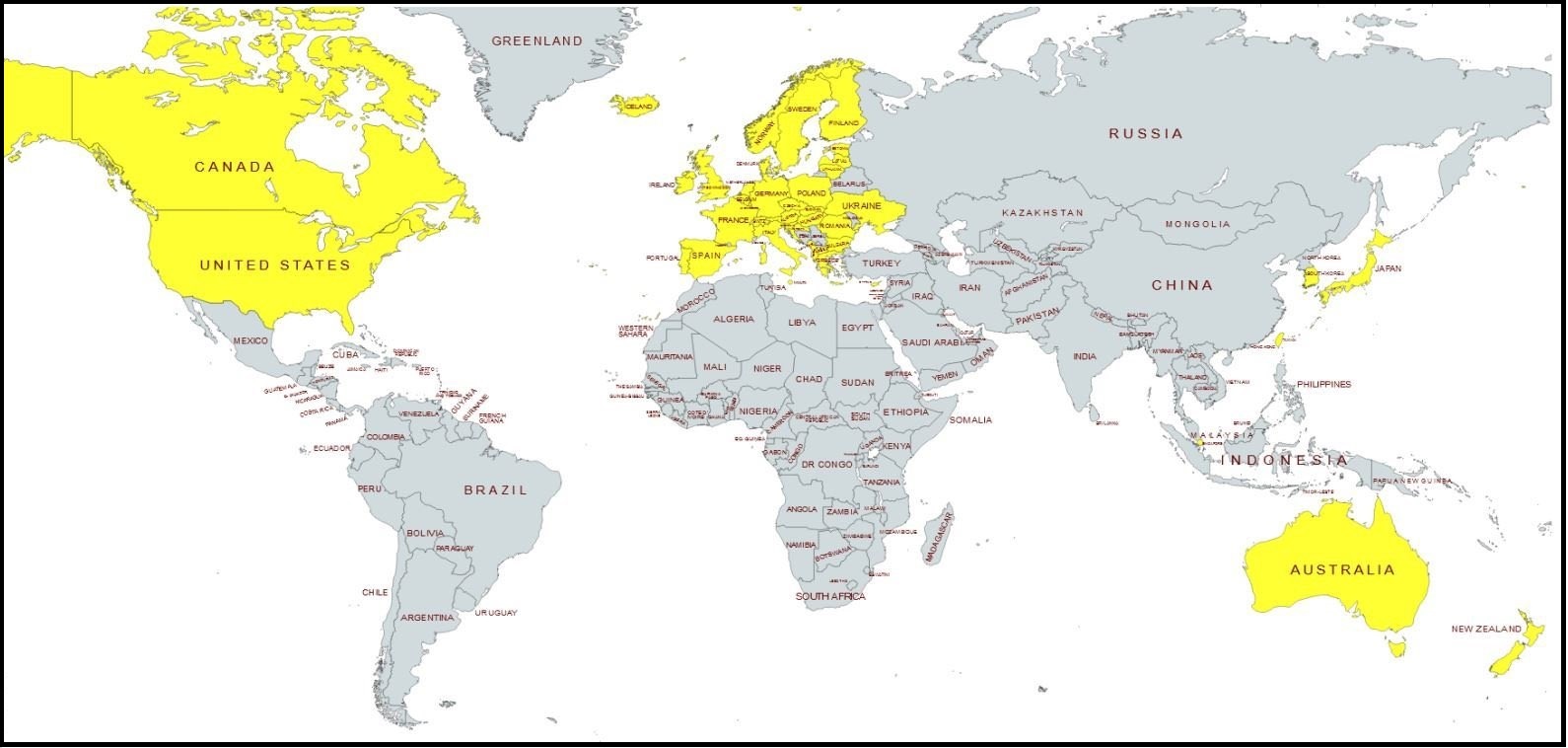
CONTEXT: There is no currently visible outcome where the Build Back Better collective western global alliance energy policy can succeed without escalating to a direct NATO war against Russia.
The economic outcomes of the BBB agenda are currently being felt via western, energy driven, supply side inflation. The monetary countermeasures to that inflationary damage, raising central bank interest rates, creates instability in finance and subsequent banking collapse.
Simultaneous to the ‘western’ central bank intervention, the BRICS alliance members are withdrawing from dollar dependency as a trade mechanism. When all those unneeded dollars return home, the dollar value collapses – and all western economies attached to the dollar as a trade currency collapse along with it.
 The Western bankers need a war to generate the industrial economic activity that uses the returning dollars. Unless and until the dollar is digitized, there is no currently visible outcome where the Build Back Better agenda is not dependent on an expanded war with Russia.
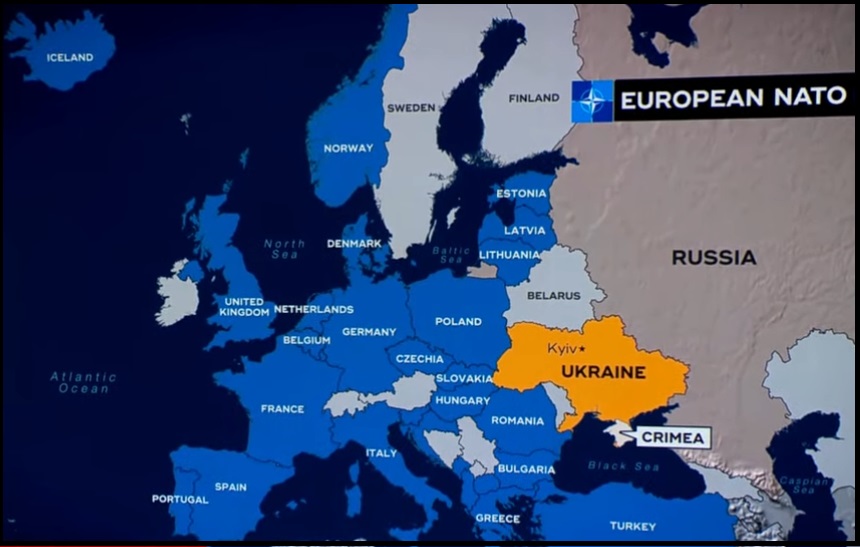
(Via Axios) – Finland became the 31st member of NATO on Tuesday — a once-unthinkable step that significantly changes the security landscape in Europe.
Why it matters: Finland’s membership more than doubles NATO’s borders with Russia and formally ends Helsinki’s decades of official nonalignment. It’s also a blow to Russian President Vladimir Putin who, in launching the Russian invasion of Ukraine, vowed to block the alliance’s eastward expansion. It’s the alliance’s ninth enlargement since its founding in 1949.
NATO Secretary-General Jens Stoltenberg sent a message to Moscow while officially welcoming Finland into the alliance: “President Putin wanted to slam NATO’s door shut. Today we showed the world that he failed, that aggression and intimidation do not work. Instead of less NATO, he has achieved the opposite: more NATO. And our door remains firmly open.”