It has often been said that if you chase the global climate change ideology to its natural conclusion, we end up in communal groups sitting around a tepid campfire eating some form of sustainable algae cakes and picking parasites off each other… Prior to Joe Biden that prediction might have seemed like hyperbole. Now, not so much.
Indeed, the Green New Deal energy policy of Joe Biden creates massive downstream consequences. Unfortunately, the White House doesn’t seem to care. The high prices and scarcity of critical goods are a feature, not a flaw, as they chase their climate friendly Build Back Better agenda.
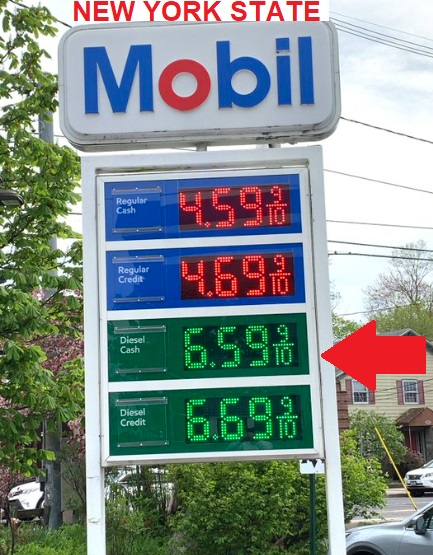 Following the continuum of intended consequence, now we have diesel fuel shortages beginning to hit the U.S. economy; and with scarcity comes higher prices of an almost astronomical scale. “The national average price of diesel is now $5.54 per gallon, which is an increase of 22 cents from last week, which was when the most recent record was set. Data shows there’s no state that’s currently seeing diesel prices below $5.12 per gallon.” (LINK)
Making matters even worse is a drop in available inventory of diesel fuel which is about to become a crisis for the east coast of the U.S. Some Truck Stop operators like Love’s and Pilot are already warning their big rig customers they may not have fuel for truckers.
[…] “Love’s is monitoring the fluid situation on the East Coast, we have experienced minimal outages during low traffic hours,” Oklahoma-based Love’s Travel Stops said in an emailed statement. “The company has no plans to restrict purchases of diesel.”
[…] Earlier on Wednesday, the U.S. government’s Energy Information Administration said total inventories of distillates, which is mainly diesel fuel but also heating oil, fell last week to a 17-year low of 104 million barrels, which is 23% below normal.

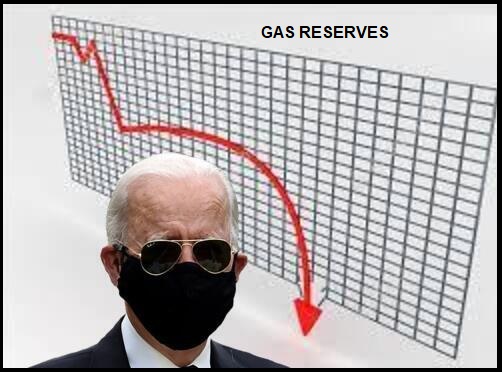 As the EU prices jump to $33/$34 per million British thermal units (BTU’s), the U.S. natural gas selling at $6 per million BTU’s is an absolute bargain.
 The inflation rate is being driven mostly by energy costs which are more than 80% higher than last year. However, each nation’s overall inflation rate is also driven by the amount of central bank spending they used during the COVID economic lockdowns. The more any govt spent on subsidies, the more money they printed, the more they devalued their money and subsequently, the higher their current rate of inflation.
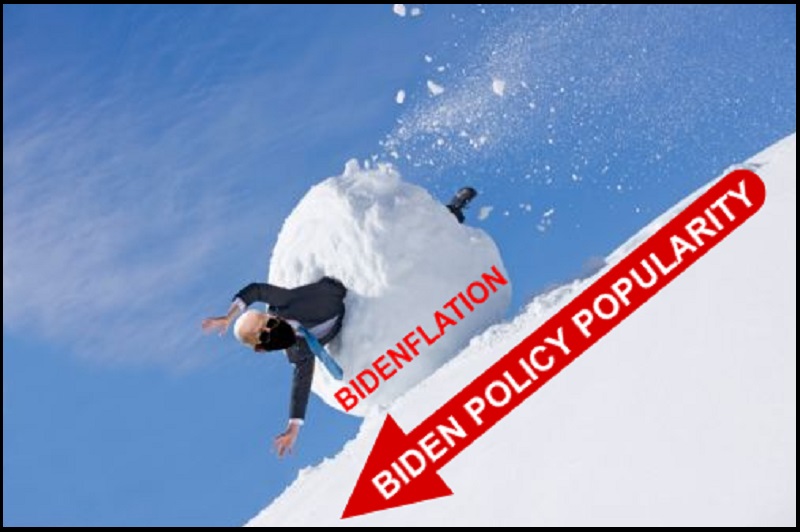 A negative GDP outcome is quite possible, perhaps likely, when the first quarter GDP figures are released on the last Friday of this month. The most recent sales and economic data shows that U.S. consumers are prioritizing spending and high priced durable good sales are negative.
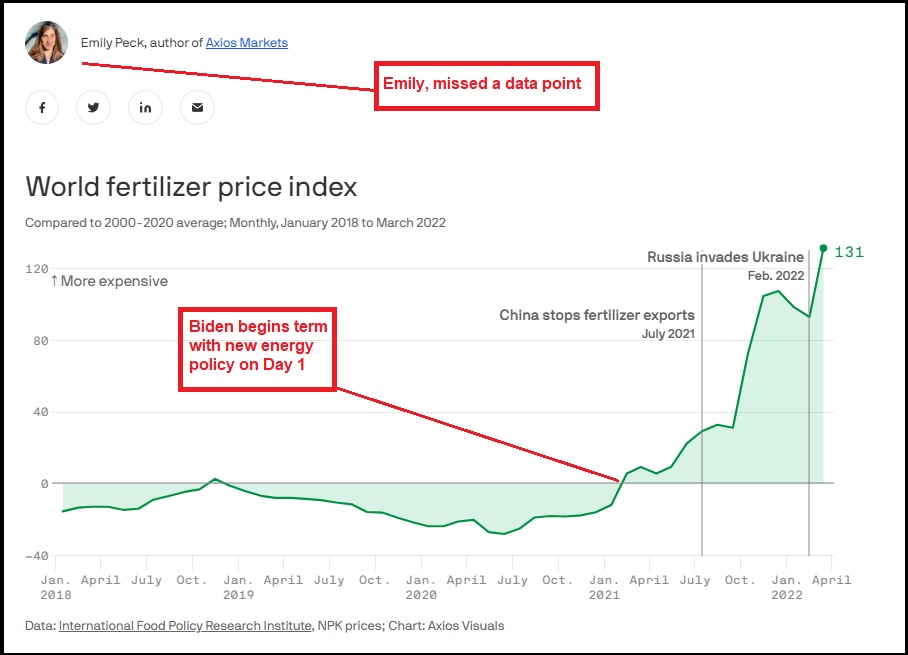
 Against this backdrop CF Industries, one of the world’s largest manufacturers of hydrogen and nitrogen fertilizer, is warning its customers that Union Pacific Railway Lines is now restricting the amount of container tonnage they will permit. [
 Never has that Machiavelli quote been more apropos than when considering the MAGA movement and the rise of Donald Trump.