The “producer price index” is essentially the tracking of wholesale prices at three stages: Origination (commodity), Intermediate and Final. The Bureau of Labor and Statistics (BLS) released stunning price data [Available Here] showing a dramatic 7.8% price increase in Final Demand products at the wholesale level.
 When you see the wholesale level of prices almost double the increase in consumer level inflation rate, you can predict that consumer prices will likely go even higher. The future finished goods at a retail level will carry the current wholesale price increase. Stuff costs a lot now… and stuff is about to cost even more pretty soon.
Food products are fast-turn consumable goods, and the inflation in the food sector is jaw-dropping already. However, fresh and processed foods turn at different inventory levels.
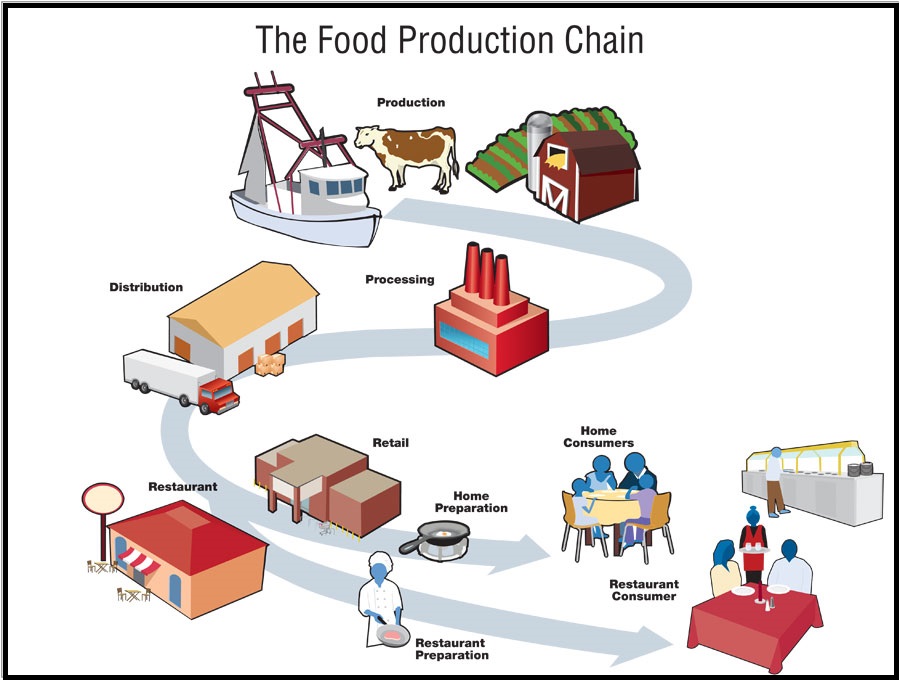
Obviously fresh foods spoil fastest (think produce, fish, meats and dairy) so they are replenished more quickly and the thin supply chain (field to fork) passes along increased costs fast. Processed foods have a longer shelf life (boxed, canned, frozen, etc), and as a consequence have a much larger inventory level in manufacturing, warehousing and retail storerooms/shelves. Within processed foods, there is a lag between cost increase at origination and that cost hitting the stores.
The problem identified within the current ‘producer price index’ is that price increases in the raw material and intermediate material are building into the supply chain. Keep in mind the entire supply chain is dependent on energy costs and the fuel prices that impact transportation.
 President Trump notes the ridiculous nature of the $3.5 trillion spending package, which includes new regulatory mechanisms to track and tax vehicle mileage. Yes, you will be paying the government for each mile you drive your car. Republicans and Democrats want this; our opinion doesn’t matter.