New England consists of six states in the US Northeast, Connecticut, Maine, Massachusetts, New Hampshire, Rhode Island, and Vermont. The states have been warned by regional ISO electricity providers for several years about their vulnerability if the winter weather is harsh and there is a significant increase in demand for home heating. Those warnings are now multiplied by the massive price increases for natural gas.
Keep in mind as all these natural gas and LNG issues surface, the U.S. has been exporting natural gas to Europe as part of the Biden effort to subsidize the NATO effort against Russia. Prices for natural gas have skyrocketed, and now shortages of the fuel source for energy production may create even bigger problems for New England.
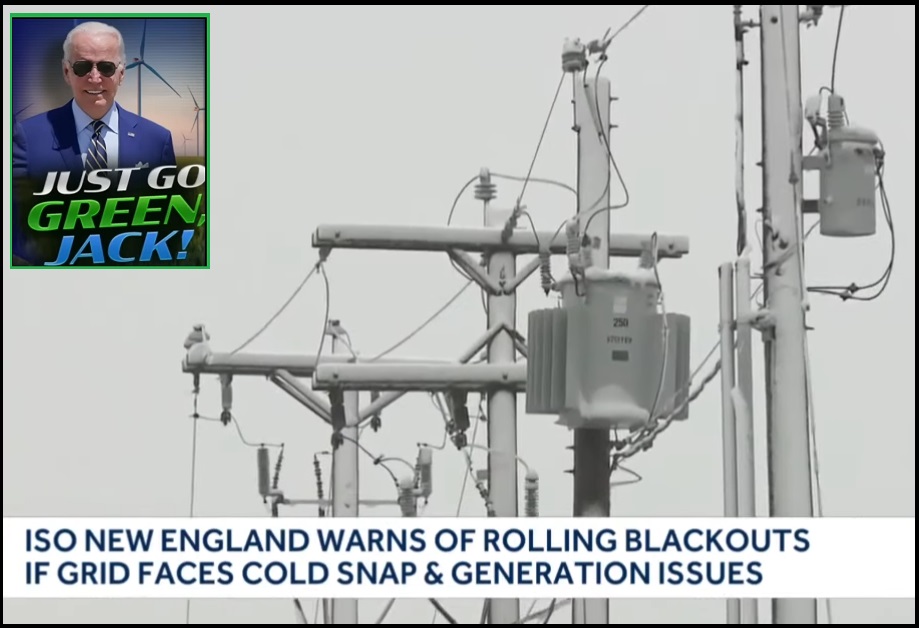
[Via Zero Hedge] – […] The region’s power mix changes have left it increasingly reliant on international NatGas spot markets. State governors have asked US Energy Secretary Jennifer Graholm to waive the Jones Act and allow foreign-owned tankers to ship LNG from the US Gulf region.
All of this has led to New England residents facing some of the highest electricity bills in years. Heating season is already underway.

 At the conclusion of the summit, he confirmed the intent of Saudi Arabia to join the BRICS economic coalition, which should not come as a surprise given the
  This
This 
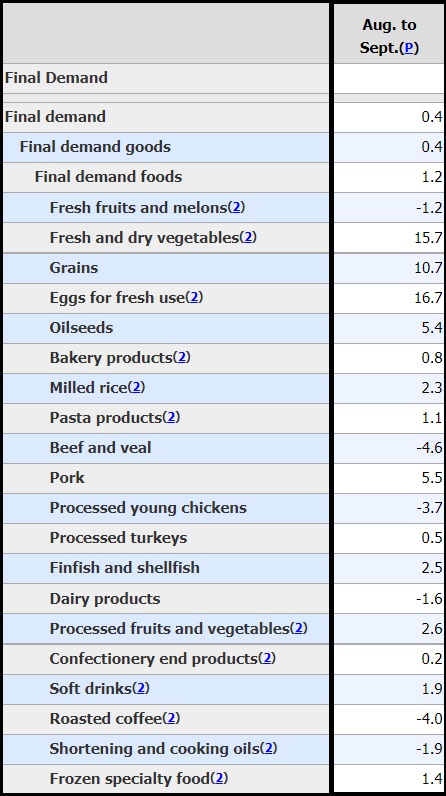 While the overall September PPI was higher than expected at 0.4%, the Final Demand Producer Price for food products in September was a whopping 1.2% (14.4% annualized).
 Two days ago, a bridge between Russia and Crimea was bombed by Ukraine causing a section of the bridge to collapse. Yesterday, Vladimir Putin retaliated with missile strikes against several cities in Ukraine and key infrastructure for energy.
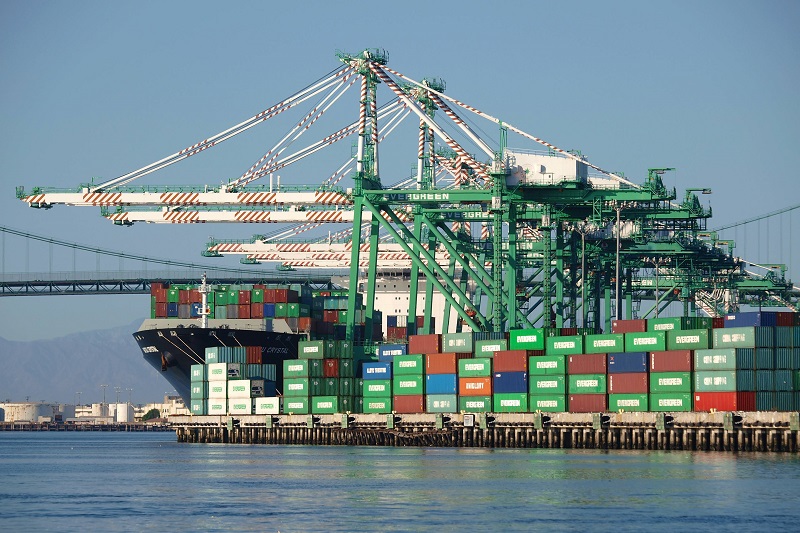 A single transpacific container shipment cost $19,000 in 2021, then $14,500 in 2022 as the intentional slowdown began. Now it’s only $3,900 as entire fleets of cargo shipments are cancelled due to lack of demand by U.S. purchasers.