CTH has covered the origin of food inflation since we first raised the alarms in the spring of 2020. A confluence of events starting with the fracturing of the food supply chain (shutting down restaurants, hospitality venues, schools, cafeterias, etc), created the initial major problem. Consumer Packaged Goods (CPG) sold at retail stores could not keep up with demand after 50% of the food supply system was shut down.
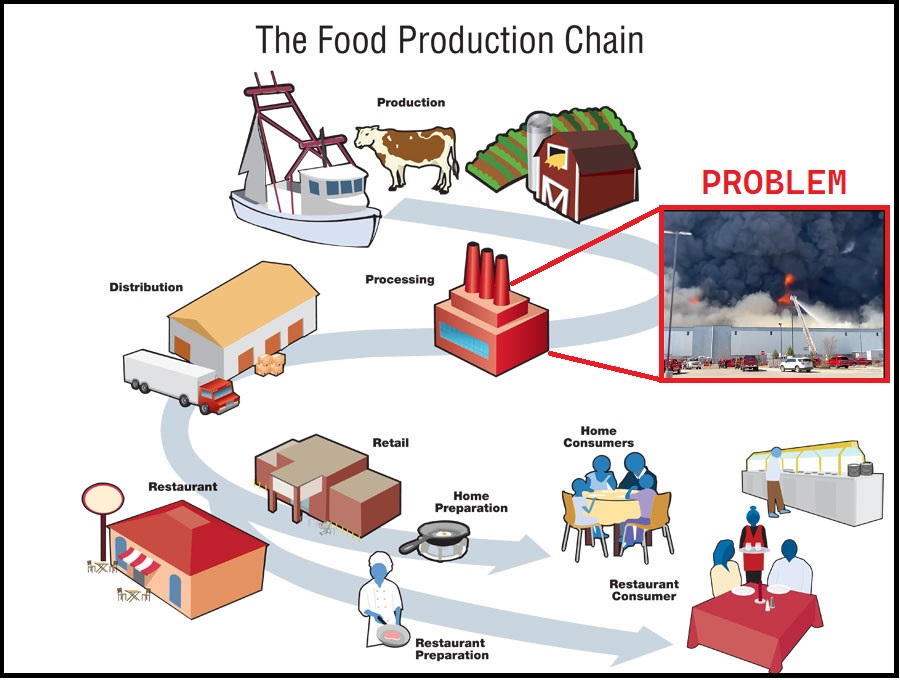 Within the U.S. retail food supply chain (350+ million people), manufacturing CPG products relies on a system of staying one to two harvest cycles ahead of demand. However, when restaurants and fresh food venues were closed, very quickly frozen, bulk stored and siloed U.S. food storage systems, the storage needed for CPG products, were emptied.
Long after the time when all food distribution was reopened, the shortages of CPG products continued. You saw the result with empty shelves at the supermarket. It takes a long time (years) for those inventories to refill.
We warned of this in 2020 and then followed the predictable outcome in 2021 and 2022.
When Joe Biden then shut down the U.S. energy production system in early 2021, the massive increases in energy costs -and the shortages of natural gas- became fuel on the inflationary fire of CPG goods. Again, in October 2021 CTH noted that retail prices were going to rise quickly, and they did.
Throughout 2022 food prices have risen dramatically as the food distribution and processing system was now under pressure from all sides. The shortage of inputs (to refill food storage and warehousing needs) combined with the much higher costs to generate those inputs -the direct result of the exploding energy costs- created massive inflation pressure. The pricing result we are seeing now (third wave of food inflation) is exactly what we have stated, discussed and predicted for more than two years.
While all food costs are skyrocketing, the prices for manufactured or processed food are much higher than the price increases for fresh food.
(more…)

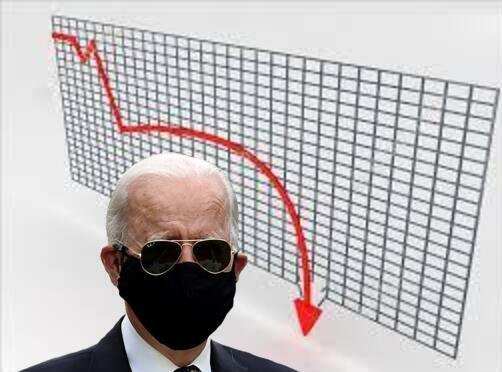 According to the Wall Street Journal home values dropped in August at their highest monthly rate of decrease since 2011 {
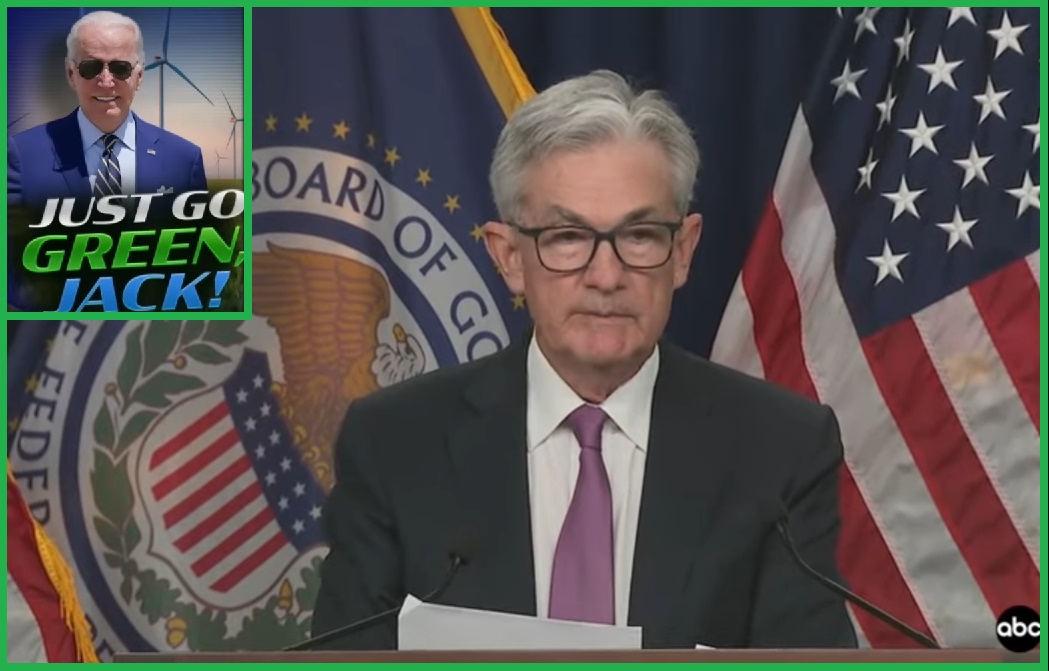 Milton Friedman was not wrong at the time he stated that inflation is driven by monetary policy. Print money and the value of it diminishes; this is true.
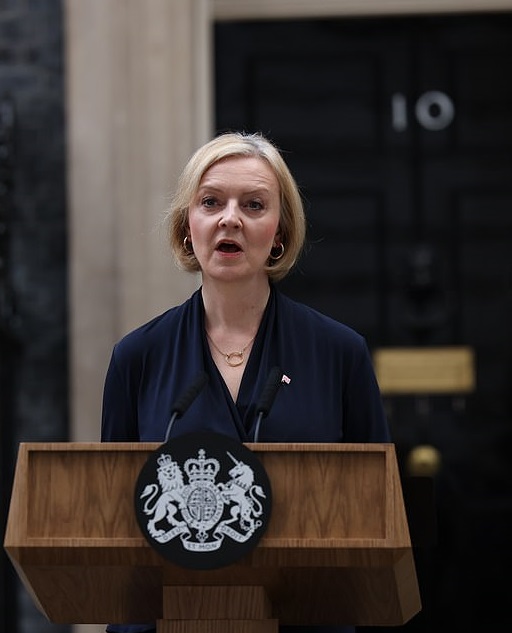 British Prime Minister Liz Truss has resigned after only 44 days in office, driven mostly by the financial system reaction to her proposal that taxes should be lowered in order to stimulate the economy. In the big picture, the years of slowly advancing progressive politics in the U.K. has culminated in a political system that is only manageable by a leader who retains a globalist financial outlook and a climate change policy framework.