It’s the reverse rustbelt issue. In order to retain their market share, Japanese automakers are slashing the prices of their export vehicles to the USA. However, simultaneous with the anticipated drop in profits, the Japanese economists are worrying what impact this will have on autoworker wages.
 Not accidentally this is exactly the problem U.S. workers suffered through during the era of offshoring our manufacturing. Apparently, Japan is heading into the dynamic the U.S. rustbelt previously suffered. Imagine that.
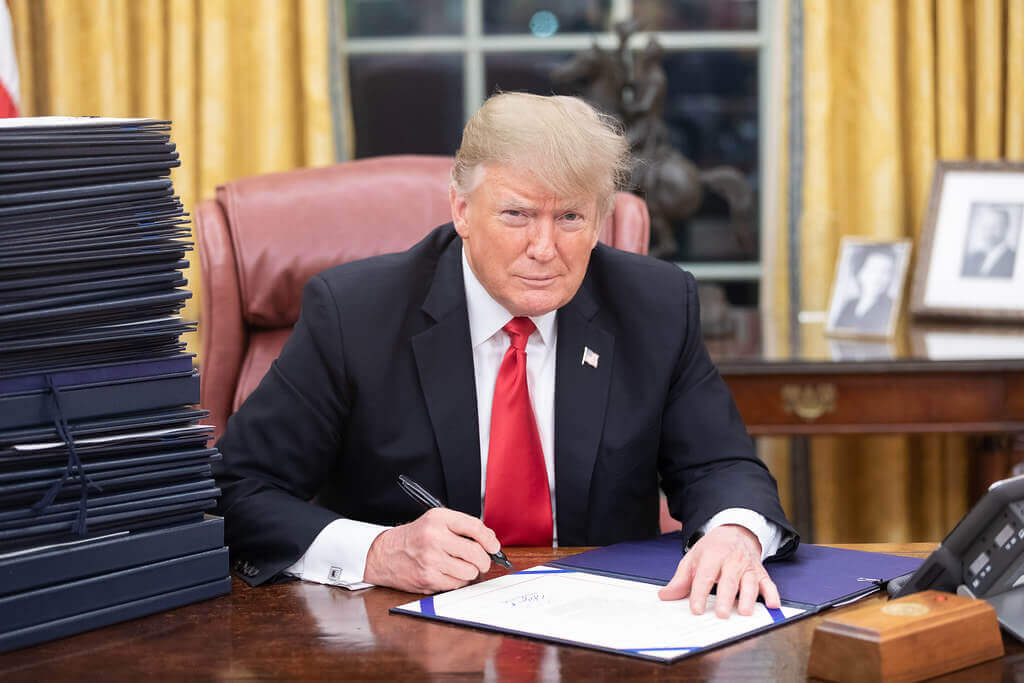
The Straits Times – TOKYO – Japan’s automakers slashed the price of products exported to the United States at record pace, in a sign that companies are sacrificing profits to remain competitive as President Donald Trump’s tariffs hit cars.
In June, the export price index for vehicles shipped to North America plunged 19.4 per cent from a year earlier on a contract currency basis, the biggest drop in records going back to 2016, according to the Bank of Japan’s (BOJ) corporate goods price report on July 10.
The data adds to signs that Japanese automakers are trying to avoid a major price increase to remain competitive in the US, even after Mr Trump began to impose 25 per cent auto tariffs in early April. The flip side of the move is it raises concerns over companies’ profitability and whether they can continue to keep raising wages – a key component of the Bank of Japan’s sustainable inflation goal.