Good grief, when the leftist government in Canada gets pushback, they really don’t know how to handle it. Earlier today, the Canadian government expressed extreme anger toward any American citizen who may have made a financial contribution to the Freedom Protest. {CTV}
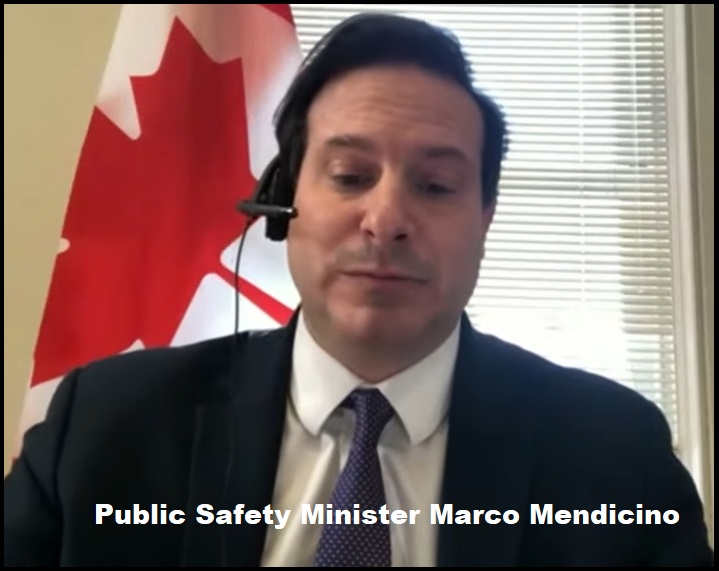 Reading from a prepared statement, Justin Trudeau’s Public Safety Minister Marco Mendicino stated the Canadian government intends to target any American who may have donated to the Freedom Convoy protest effort. Apparently, the Canadian government wants to scare Americans away from donating to support the Freedom Protest in Ottawa. [Full Presser Video Here]
Minister Mendicino identified the Ottawa protest group as a “violent”, “hate” group. The Ottawa truck drivers were described as an “angry, loud, intolerant and violent crowd,” who “threaten the national security of Canada.”
Following his outline of the violent mob, Minister Mendicino switched his targeting to the donors who have supported the Freedom Protest, saying that Canada has a “robust” intelligence community that will flag for the Trudeau administration all concerns of national security, as well as a separate branch within the RCMP that looks into these types of issues.
“That’s why I’m certainly confident that wherever there’s foul play of the sort, that we’ll be in a position to act appropriately,” said Mendicino. “If, for example, someone was contributing with the intent of either causing public harm or trying to undermine public safety, that would be something that would be against the law, and there would be appropriate sanctions for that, if proven in the court of law,” he said.
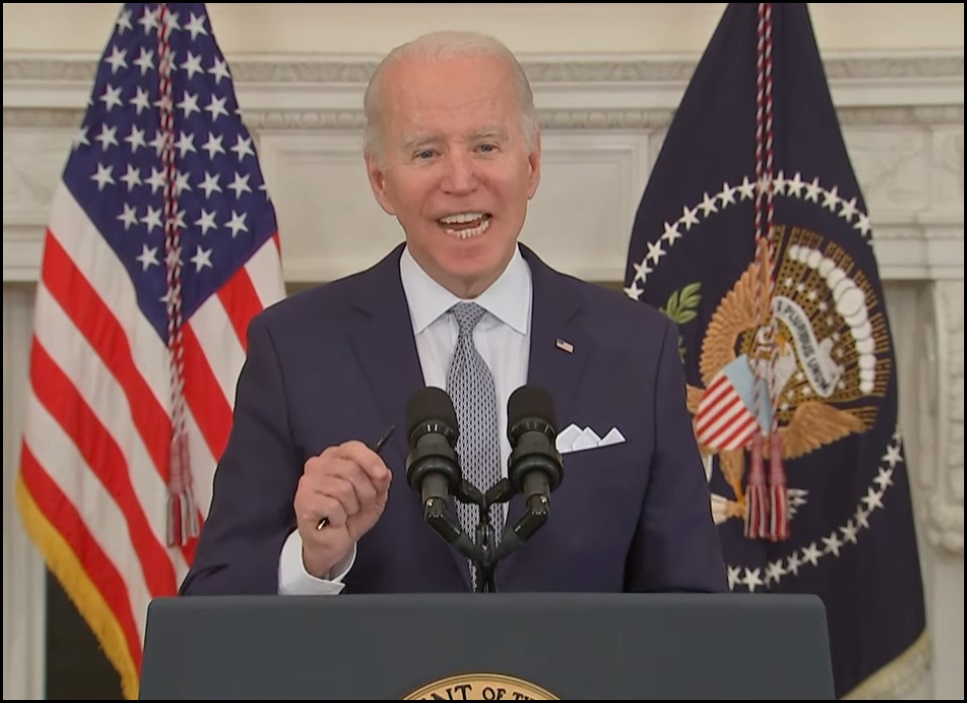
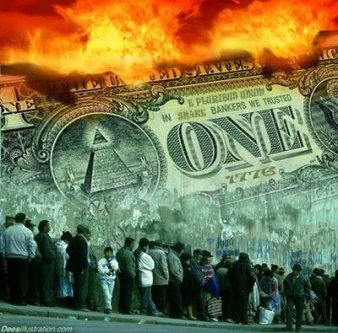
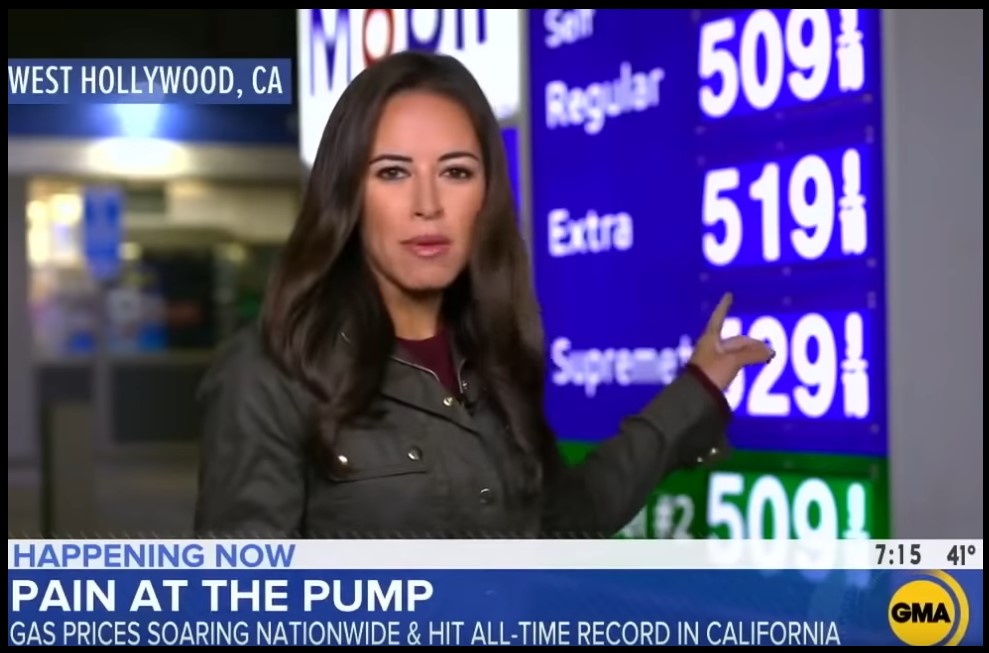 As the Obama-Biden administration previously said when they achieved their last historic increase in gas prices, “U.S. energy prices will necessarily skyrocket“, in order to achieve their ideological climate change objectives.
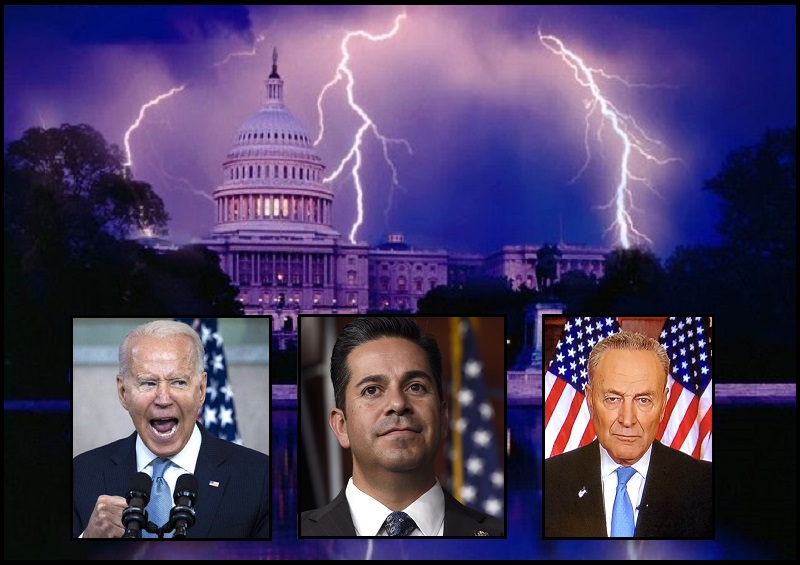 Lujan suffered the stroke last Thursday, on the same day Joe Biden announced the retirement of Supreme Court Justice Stephen Breyer. The news of Senator Lujan’s major medical condition has been essentially quiet.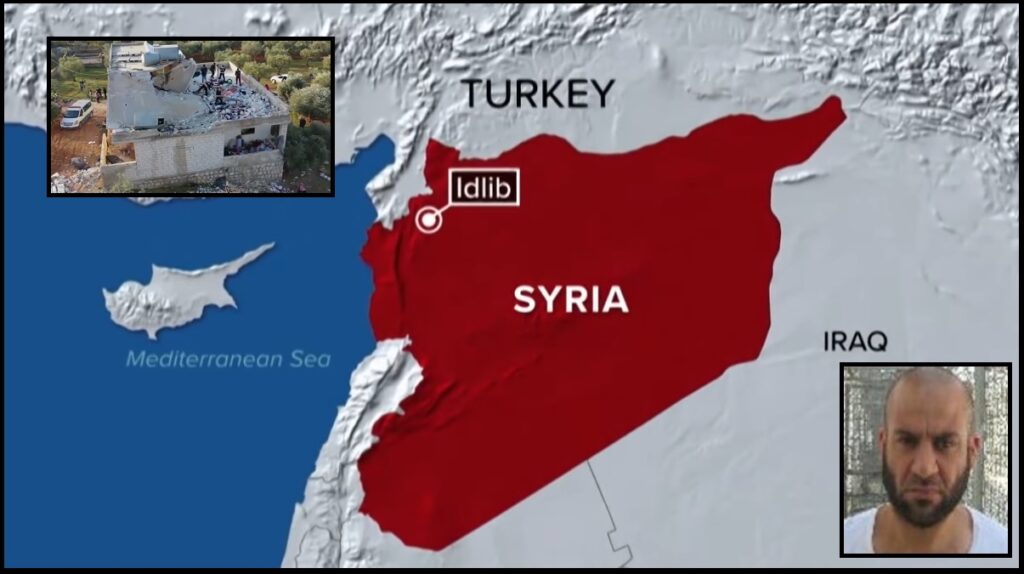
 With that empirical and well documented reality in place, all three branches of U.S. government work in unison. Who or what can intervene to stop the Fourth Branch of government from operating unilaterally?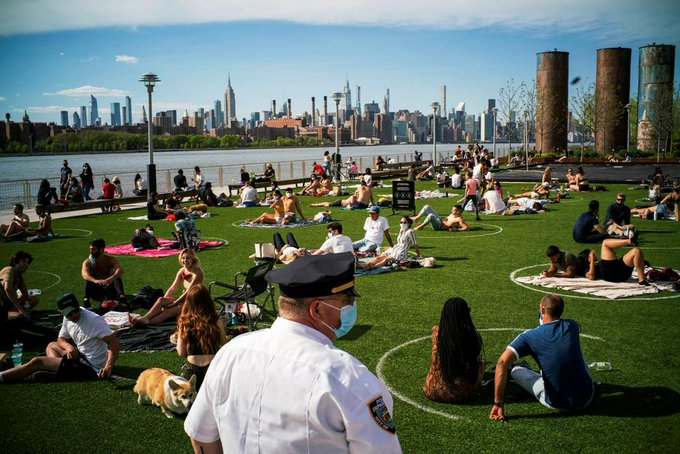
 While there is evidence the mandatory vaccine requirements are still working through the job market, we are still about another month away before the fog clears from the private sector employment data.
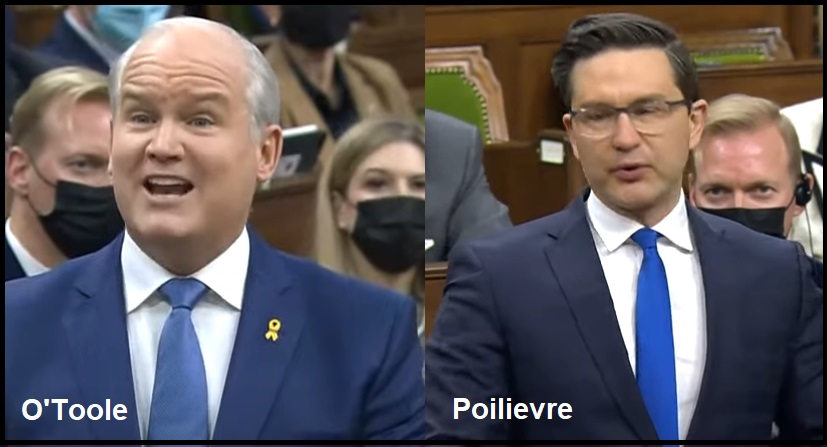 As the working class Canadians rally behind their blue collar truck drivers, the invisibility of strong, opposing voices to the leftist government they are challenging is brutally obvious.