Something odd is happening in the background of the G7 energy ministers’ announcement earlier today.
Remember that moment {HERE} when Canada’s Deputy Prime Minister Chrystia Freeland seemed really uncomfortable and weird at the presser – just 36 hours before the Trudeau administration announced they were going to drop the Emergency Act banking sanctions against the truckers? {Go Deep}
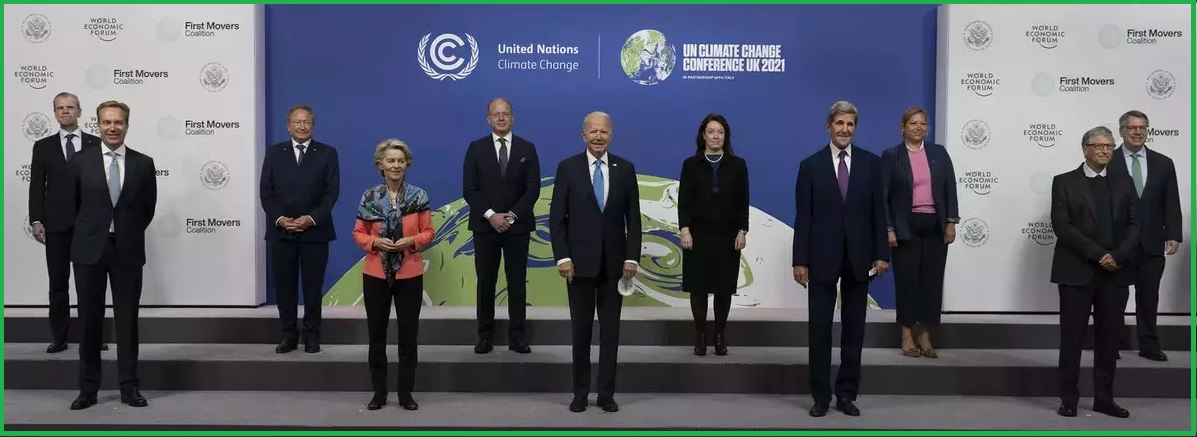
Here is an encapsulation of what’s weird, and you don’t have to be an expert in geopolitics and international trade to see it:
The G7 countries (including the U.S.) announced today they were demanding that Russia accept payment for oil and gas in euros and dollars. This is happening at the same time NATO is demanding (via sanctions) that Russia be blocked from accepting payments in euros and dollars.
Something is weird. Keep in mind, the same nations in the G7 are the same nations in NATO with the exception of Japan (G7 only).
The only way this conflict could make any sense, is if the G7 energy ministers realize that forcing Russia to trade in non-euros and non-dollars will structurally undermine the G7 unilateral hold of global finance and energy policy. In essence, the G7 see the non-sanction countries, particularly India and China, lining up to replace the petro-dollar, and that not only weakens their position financially, but it also weakens their climate change position.
 Once again, Joe Biden, the same authoritarian who mandated that every American worker undergo a medical procedure in order to qualify as a person who might earn a living, sits atop his high-horse and pretends that western government leaders have some inherent claim to the protection of democracy.
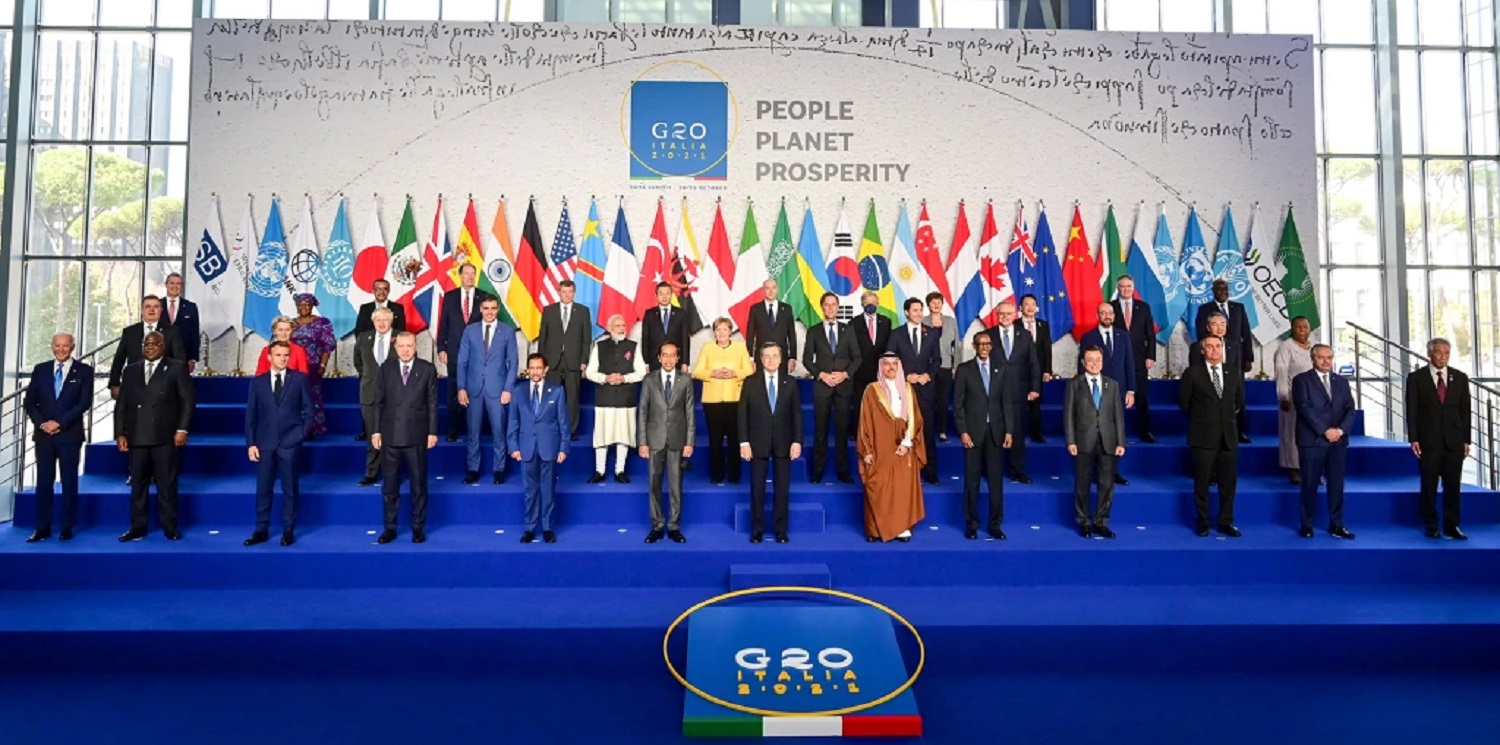
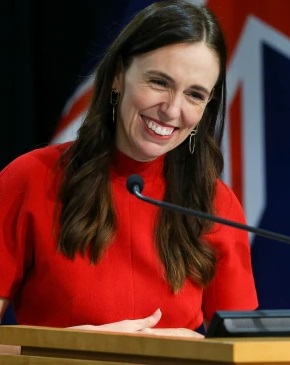 ♦ In late March 2020, New Zealand recorded 5 cases of COVID-19 infection and immediately shut down everything, locked down borders and citizens, and instituted the most severe restrictions on formerly free citizens in global history.