Many people have wondered how the Biden administration could implement massive economic policies against the interests of their own constituents. The answer to that question is hidden inside the COVID relief bills, which are used as a method to pay the expenses of his policies so that targeted Democrat groups in urban regions do not have to pay for the policy.
 One example of this policy and urban dependency scheme is found in the Low Income Home Energy Assistance Program (LIHEAP).
The “American Rescue Plan”, the mechanism to use taxpayer monies as redistributive subsidies to special interests under the guise of COVID bailouts and relief, contained $8 billion in funding to pay for the electricity and home heating costs of low income families.
WHITE HOUSE – […] In 2021, the Biden-Harris Administration and Congressional Democrats delivered $8 billion in LIHEAP funding nationally, more than doubling typical annual appropriations, thanks to an additional $4.5 billion provided by the American Rescue Plan. These funds represent the largest appropriation in a single year since the program was established in 1981. (more)
In essence, what this scheme allows is the Biden administration to trigger ‘Green New Deal‘ energy policies that drive massive increases in the cost of electricity, home heating, and energy use for the middle class and working class families, and yet the federal government pays those costs for the constituents they need to keep voting for them. Lower income families do not feel the energy policy burden, but middle class families are punished.
 Keep in mind, the November jobs report showed a decline in retail jobs of 29,000, and this report shows that despite November & December being the largest shopping months for holidays, the retail sector jobs were nonexistent.
 Deep state operative Mary McCord (not named but transparently visible) and administrative insiders
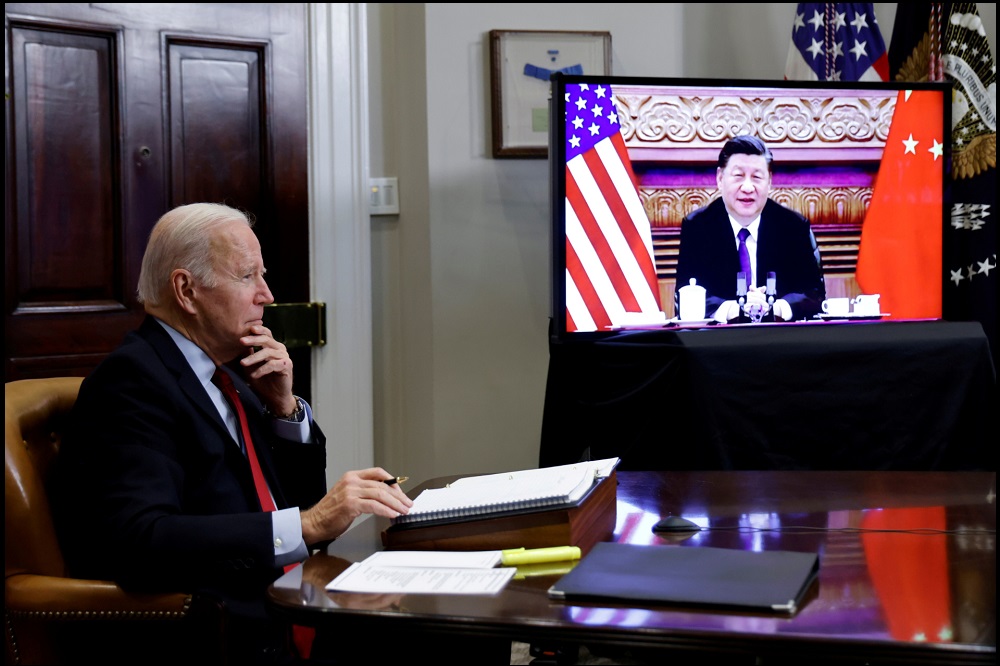 After the U.S-China summit, used by cunning panda to size up the potential for backlash, anything China can do to further gain dominant position is now just a matter of easy chess moves on the board of dependency.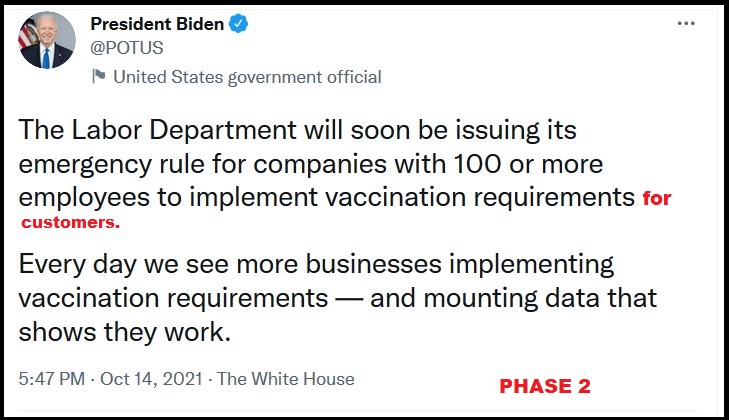
 THE PROBLEM
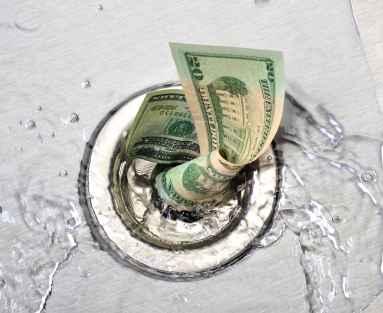 Middle-class wage earners already know this problem; you are seeing it at the gas pumps and at the grocery store. Fuel prices are rapidly increasing and the amount of inflation in the ‘at home’ food industry (grocery store) is even more concerning.