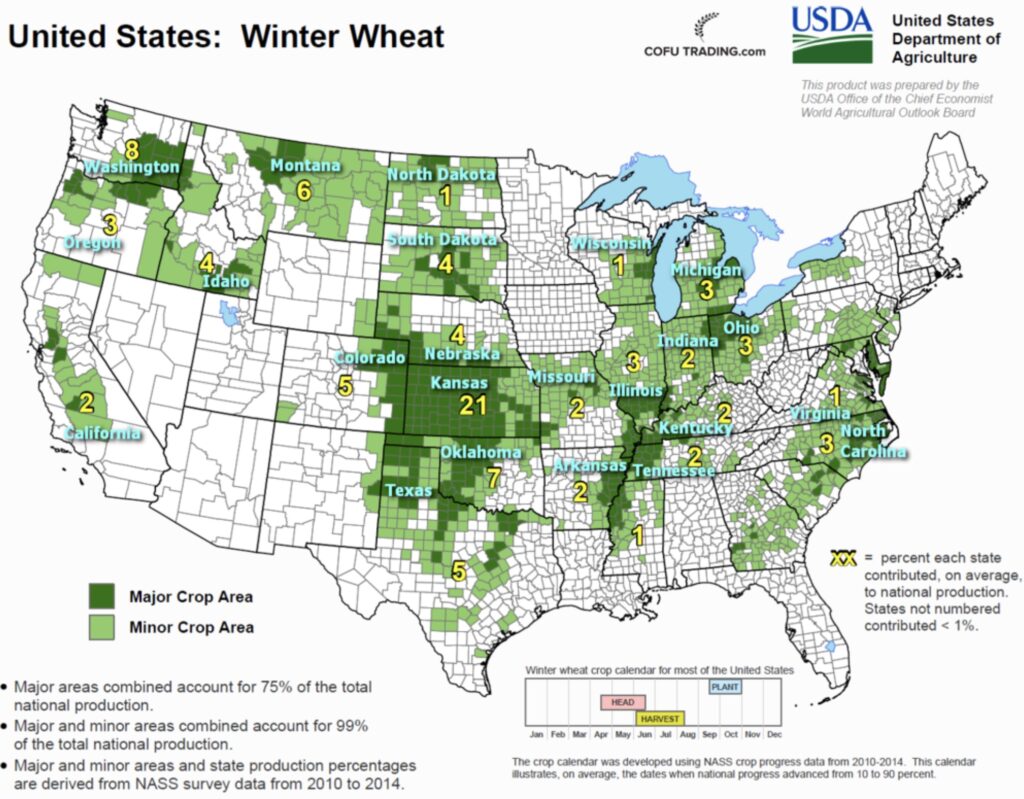
Wheat is an essential grain harvest in the overall food chain. Winter wheat is planted in October and harvested the following June and July, however, the U.S. crop this year is in a tenuous position because of severe drought in the plains. Kansas represents about a quarter of the U.S. harvest and is currently suffering through an extended dry season.
Last week, “Kansas Governor Laura Kelly declared a drought emergency, warnings and watches for every county in Kansas on Thursday due to dry conditions causing high fire danger.” (link)
We need to keep an eye on this, and it would be wise to make proactive preparations now for the possibility of a severe shortage. This potential is what has driven the price of wheat futures, and when combined with the issues in Europe’s largest wheat producer, Russia, there’s a very real possibility of a global shortage of wheat.
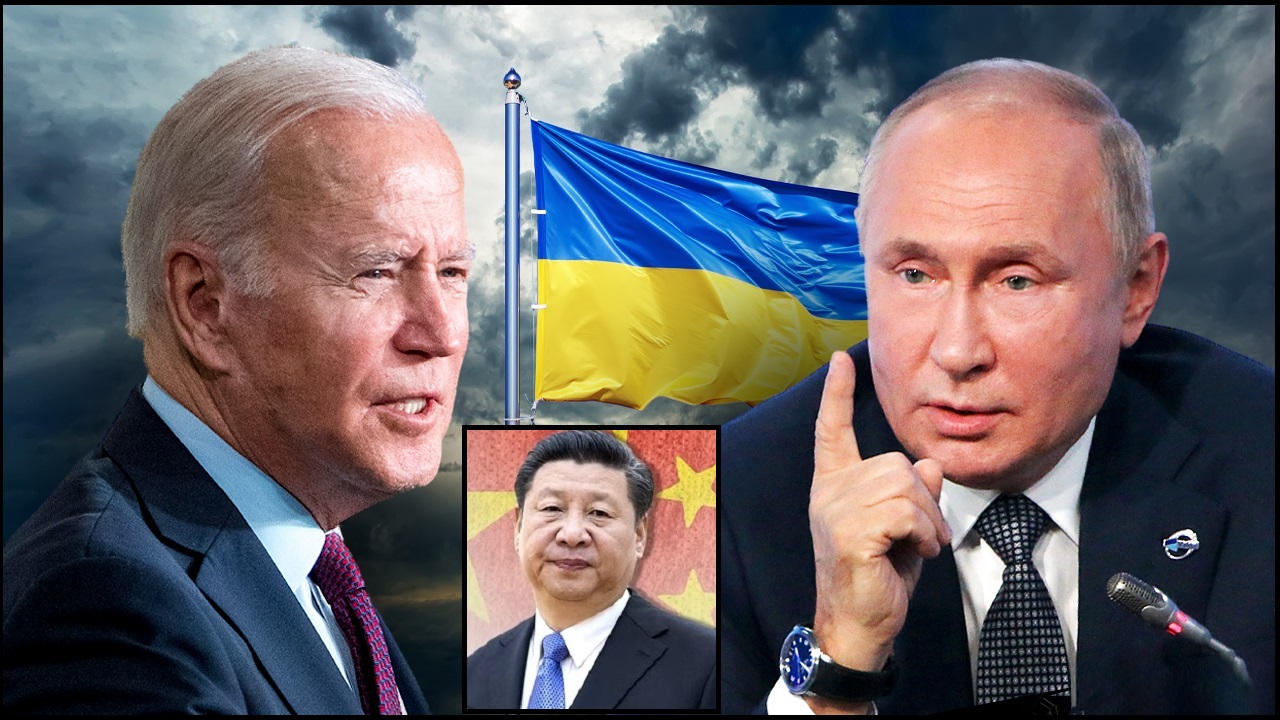
The early March warnings are beginning to become more important. “The world has grown hugely dependent on Ukraine and Russia for their wheat, a crop used in everything from bread to couscous and noodles. The nations account for a quarter of global trade. They are also cheap suppliers, which makes their exports favorites for importers in the Middle East and North Africa, including in Egypt, the world’s biggest wheat buyer.” (link)
 There are only two elements within the public discussion of information, truth and not truth.


 Keep in mind, this economic roadmap was strategically outlined in the World Economic Forum “Build Back Better” initiative, and that was built upon the economic ‘climate change‘ opportunity that COVID-19 created. The U.S. version of BBB was called the Green New Deal.