Before getting to the details, a thoughtful point….
When George Bush won the White House, Karl Rove received the attention of the media for his historic victory. Karl Rove became a household name, wrote books and went on tour. When Barack Obama won the White House, David Plouffe and David Axelrod received the attention of the media for their historic victory. Plouffe and Axelrod wrote books and went on tour talking about the campaign strategy. When Donald Trump won the White House, Steve Bannon and Kellyanne Conway received the attention of the media for the historic victory; both went on tour etc…
 When Joe Biden won the White House with the largest vote total in the history of all previous U.S. elections, who was credited? Who was praised and who was identified as the human strategist capable of such a victory? Amid the fraud what was the 2020 election, well, it’s the absence of any victorious attribution that becomes another ‘big tell‘. I digress.
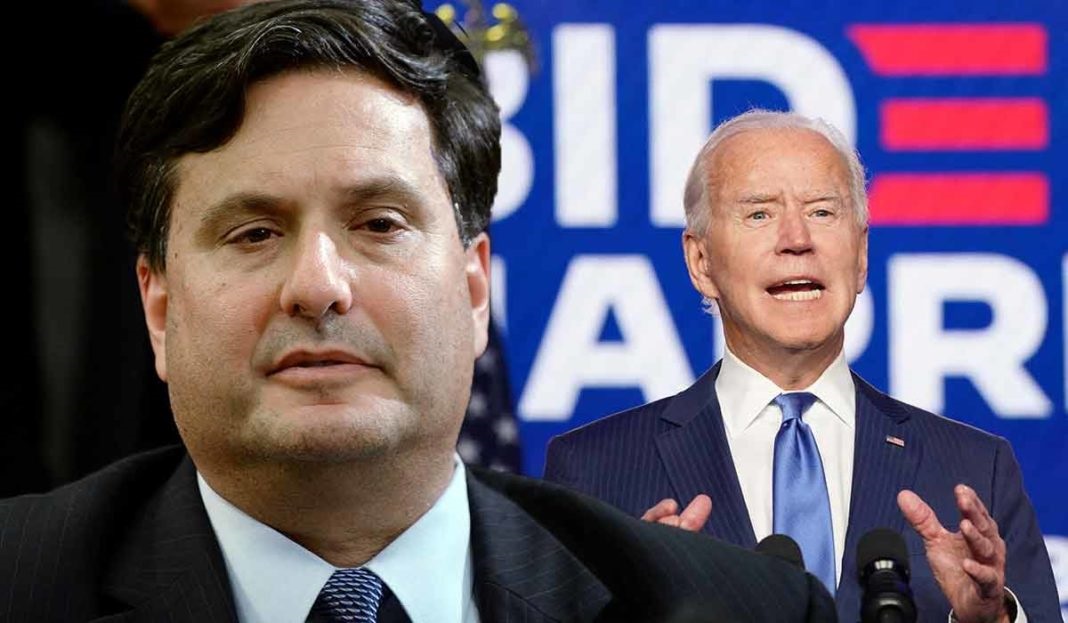 With the background managers now organized to ensure Biden doesn’t go further than the one-term controlled position he was installed for; Politico is reporting that White House control officer Ron Klain is jumping ship.
Watch carefully, and we might see former Obama handler Anita Dunn (Squier, Knapp, Dunn) step forward, take over White House operations and handle the 2024 transition effort toward Gavin Newsom.
(Politico) – Ron Klain, President Joe Biden’s chief of staff, plans to leave his post at the White House after a record run in the role, according to a person familiar with the move.