The business and financial wires are melting down today as ADP Payrolls, the nation’s largest private sector payroll providing service, releases data from January showing a drop of 301,000 jobs. [ADP Raw Data Here]
The financial, economic and business pundits are completely caught off guard and using the words “shocked”, “unexpected” and “surprised,” within their analysis. These employment numbers just don’t align with an economy growing at 6.9%, as measured by the Bureau of Economic Analysis (BEA). However, for CTH readers who have carefully scrutinized the economic claims and looked at the bigger picture through the prism of kitchen table checkbook economics, these results are not a surprise.

Every sector of the employment picture on Main Street USA is hit. The pundits, following the narrative first seeded by the White House on Monday, are pointing to Omicron as the justification inside their review. That’s nonsense. For the better part of seven months these same pundits first claimed Delta, then shifted to Omicron as a way to explain the structurally weak economy. All of that is nonsense.
What we are witnessing are the outcomes of massive inflation now hitting the labor market. A drop in demand, and a subsequent drop in the employment of goods and services, is an unavoidable outcome of inflationary pressure on wages.
Let me say it again, on a macro level, natural consumer DEMAND has dropped – we are only now starting to see it surfacing in the statistical measures.
This is why White House spokesperson Jen Psaki made that weird statement on Monday.
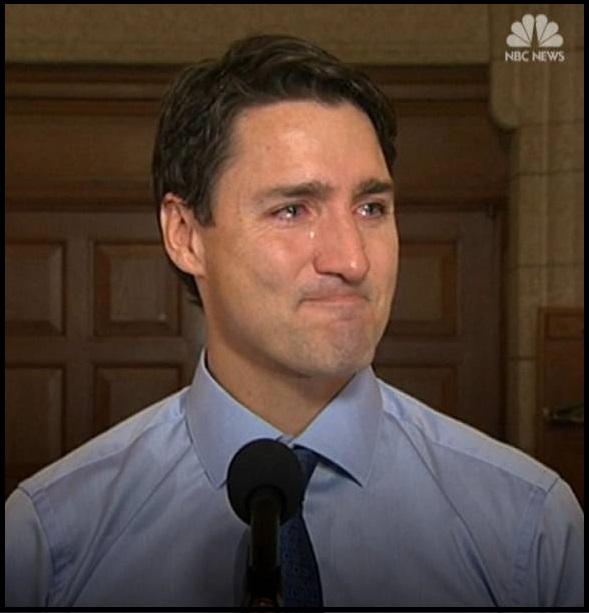 Canadian Prime Minister Justin Trudeau is taking advice from his Alinsky counselors and attempting to define the Freedom Convoy as violent right-wing extremists descending on Ottawa in an effort to destroy democracy.
 Trudeau admits he has not tested positive, but thinks it is prudent to stay home just in case.
 Overall, there are multiple datapoints that show the economic quagmire that is taking place right now. Gasoline continues to rise in price, as oil costs continue to skyrocket as an outcome of Biden energy policy. Food store prices have only just begun to show the higher prices that are built into the replenishment process.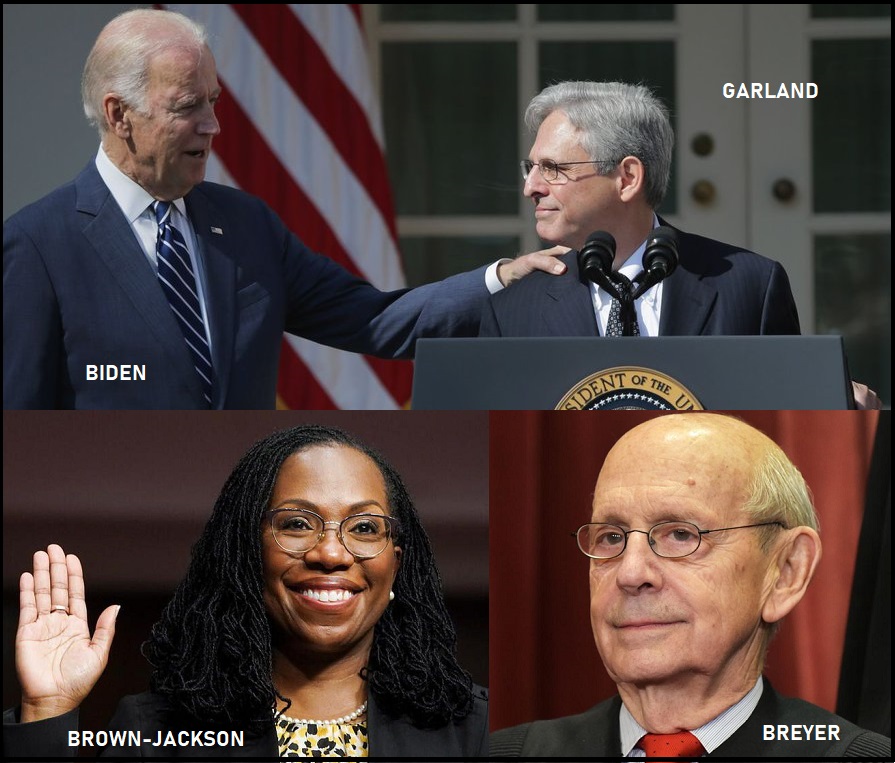
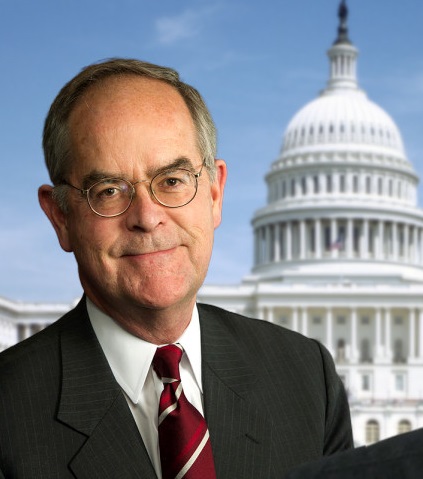 Jim Cooper was first elected to the House in 1990 and was going to have a redistricting battle. Several blue states (CA, NY, IL) are losing congressional seats due to population losses, while red states are gaining congressional districts due to population growth. The great ideological cleaving between Democrat communists and middle class Americans continues.
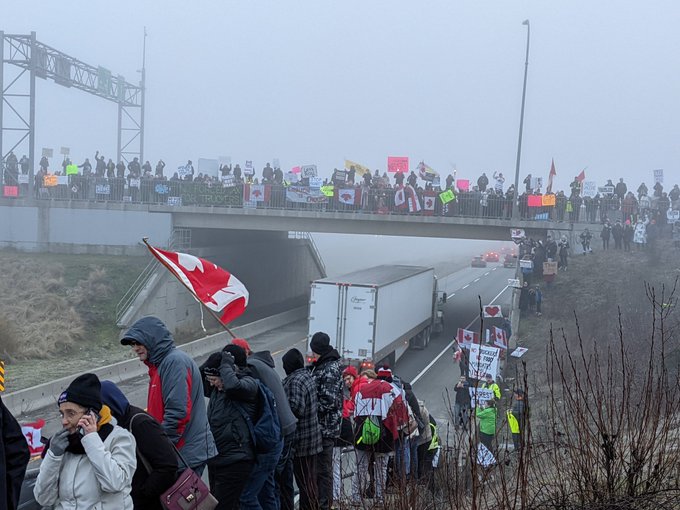 In the modern era, the professional left has used this dynamic to pressure corporations via organized activism and leftist demands. However, the middle class actually has more power in this type of engagement, they just don’t use it.