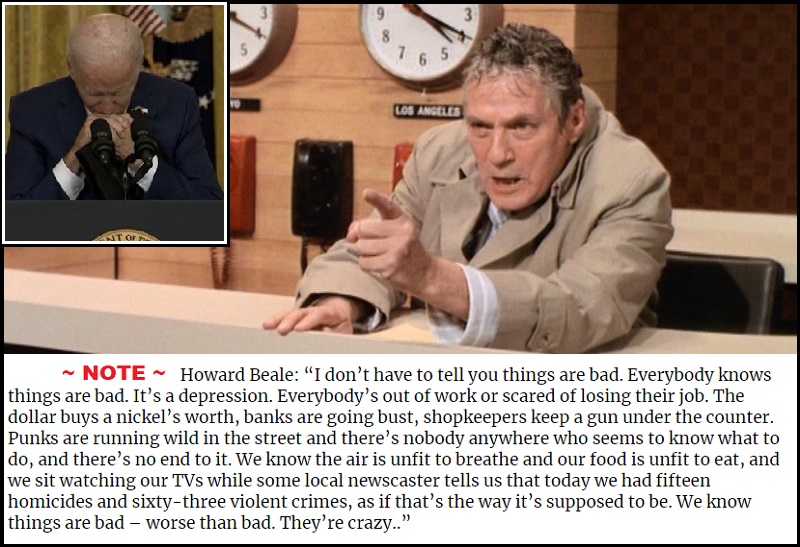
I was asked recently, what I considered to be the biggest problem of the current moment, and how would I describe it to my future self. My response was, we are living in an era of great pretending, and if you elevate yourself and pause its actually quite interesting to watch.
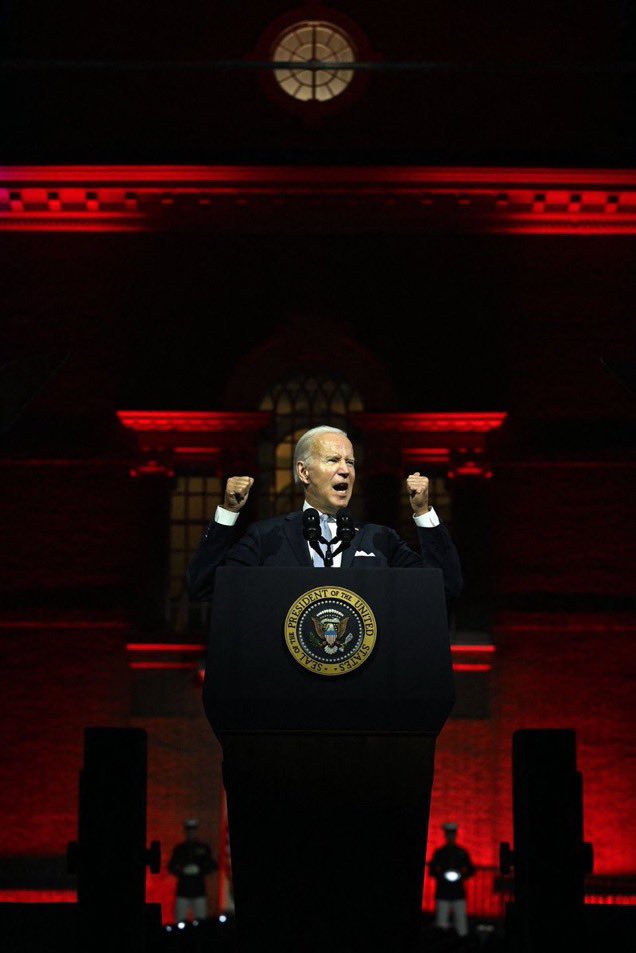 The pretending issue goes beyond politics, it’s everywhere. Sure, there was always an era where reality was skewed in favor of one position or another by various groups, people and leaders, where denying the obvious was always odd. However, this current state of our national and international disposition extends far beyond politics into almost everything.
A person would ordinarily expect to see cultural or social pretending as an outcome of political correctness. Denying the underlying social construct behind the rules of the urban society has been the norm for several years. However, the pretending has become so pervasive it has recently extended into finance and economics; places where reality -actual outcomes- used to inoculate facts and figures against pretense.
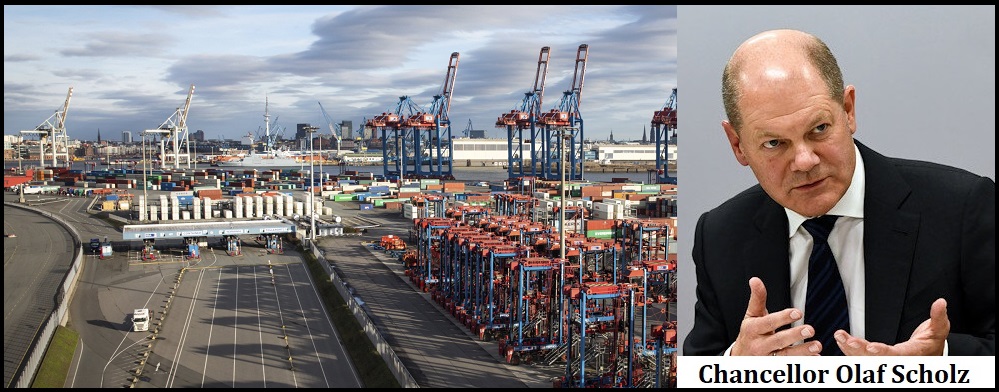
It is no longer uncommon, heck, it’s become almost standard in this new era, to see CEO’s, CFO’s and even entire boards of directors, maintaining a standard of pretense. It is quite weird to see it happening.
Yes, this era -for a host of reasons- has made delusion somewhat of a norm.
In the social sphere, cultural norms now claim men can have babies, people can choose their gender, labels and pronouns, and everyone else bears the responsibility to conform to the delusion. While goofy, that part is somewhat a weird cultural phenomenon of this western era. If we were not pretending people like AOC would have no career opportunities.
In the political sphere, the axiom of politics being downstream from pop culture is perhaps the reason the infection of pretense has overwhelmed congress and the professional bureaucracies of government. The social pretending has metastasized from the federal level to the state level, and now we see efforts to counteract “wokeism” as a social priority for state and local leaders. It’s weird to see so much time and effort being exhausted on combatting social pretense at every level.
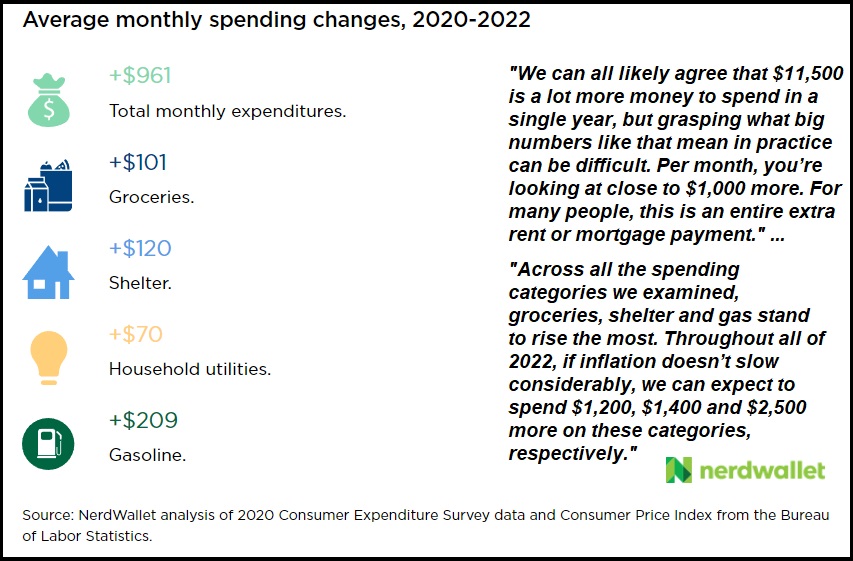
But the more stunning development comes in the sphere of economics, where factual outcomes of transactions are matters of simple accounting. A ledger of sales and profits would normally dictate whether a business was successful or failing, and in the bigger picture would show empirical evidence of the financial health of the community of customers who purchase goods and services.
(more…)