
The goal of this outline is to answer a frequent question about what the alignment of government and private sector officials mean when they say, “managing the transition.” Some of this is self-explanatory, some of this has been astutely explained by others (with specific reference points), yet much of this is what they cannot say publicly. So here we go.
As you are well aware the various western nation central banks including the U.S. Federal Reserve, are raising interest rates into a global economic contraction, a drop in demand. Raising interest rates into a contracting economy is counterintuitive, it runs against the expressed interest of government to grow economic conditions. However, there is a purposeful design to the contradiction. [A TLDR Version Here]
I will further expand, and hopefully this will provide information so that you can make decisions on how to protect your interests.

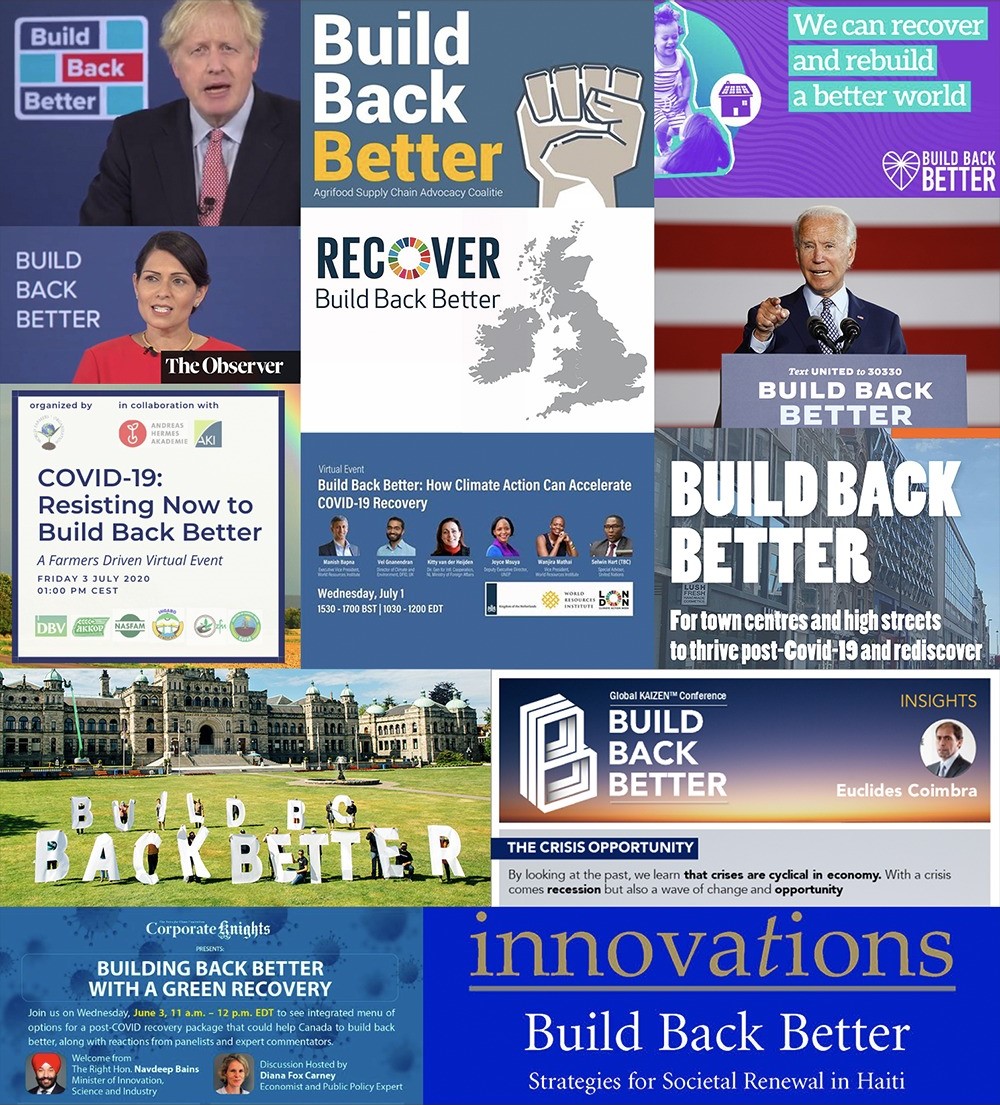
The central bankers are trying to support western government policy. Unfortunately, the government policy they are under obligation to support is the fundamental energy shift, or what the World Economic Forum (Davos Group) has called the “Build Back Better” climate change agenda.
Monetary policy can only impact one side of the inflation challenge. The western bankers (EU central bank, U.S. federal reserve bank, and various banking groups) are raising interest rates in order to “tame inflation” by “taming demand.” However, as you know the global economic demand has been declining for several quarters. Raising interest rates into an already contracting economy only does one thing, it speeds up the rate of economic contraction.
Economic contraction is the lowering of economic activity. Raise interest rates -in a general sense- and businesses invest less, borrowers borrow less, consumers purchase less, employers expand less, and the economy overall slows down. When the economy turns negative, meaning less products and services are produced, we enter a recession. Some businesses and employers do not survive a recession and subsequently unemployment rises.
During recessionary periods people buy less stuff, people have less income stability, and economic activity drops. When the banks raise interest rates into an economy that is already stalled or contracting, unemployment and general pain on Main Street increases. Workers are laid-off, incomes shrink, consumer spending drops and that leads to less employment. Recessions are bad for middle-class and working-class people.
However, that said, there is one benefit from a recession…. Energy use drops.

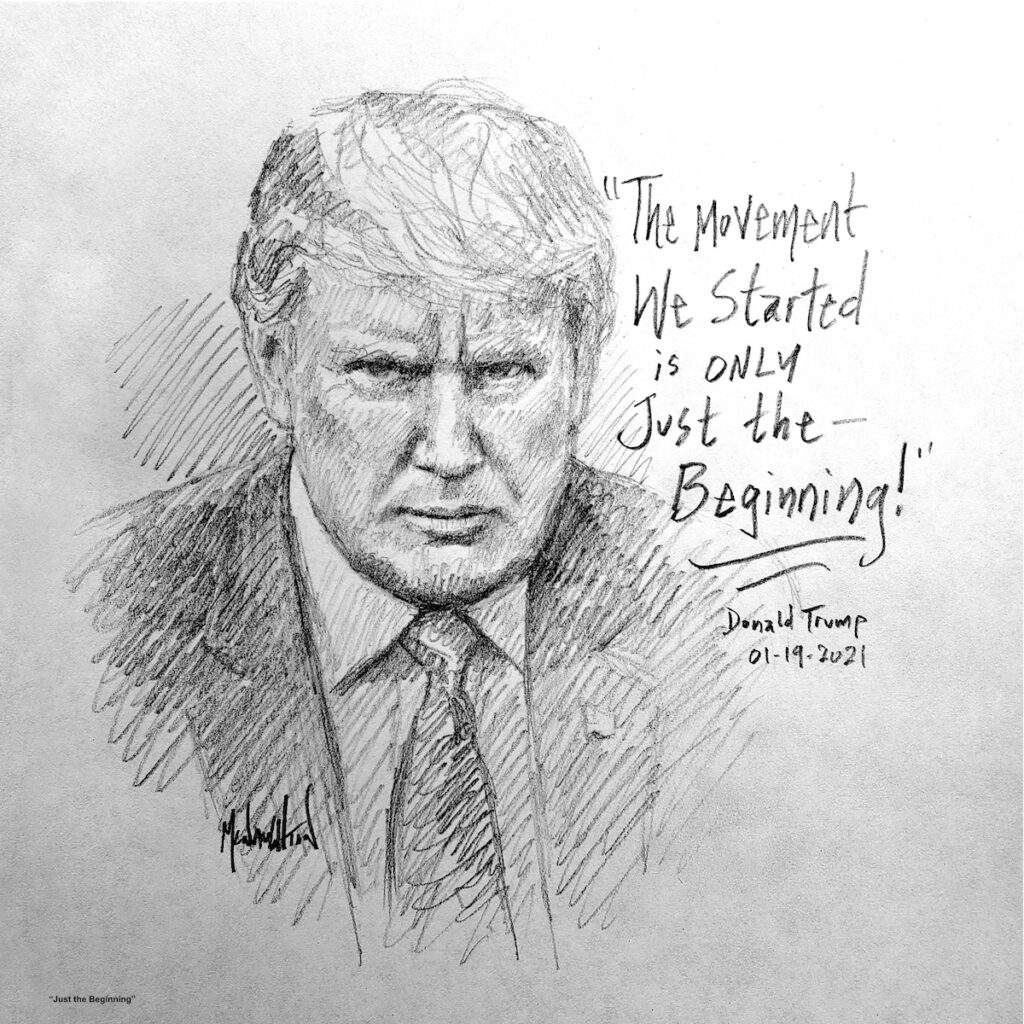 “This is no small thing, to restore a republic after it has fallen into corruption. I have studied history for years and I cannot recall it ever happening. It may be that our task is impossible. Yet, if we do not try then how will we know it can’t be done? And if we do not try, it most certainly won’t be done. The Founders’ Republic, and the larger war for western civilization, will be lost.”
 Our Father, who art in heaven, hallowed be thy Name. Thy kingdom come. THY WILL BE DONE, on earth as it is in heaven. Give us this day our daily bread. And forgive us our trespasses, as we forgive those who trespass against us. And lead us not into temptation, but DELIVER US FROM EVIL.
 While the individual amounts of government COVID-19 spending amid the U.S, U.K. and Europe were different, the percentage of that spending in relationship to the size of their economy was very similar. As a result, the global inflation rates contain strong parallels.